Fear of the Dark
Lights Out at Camp
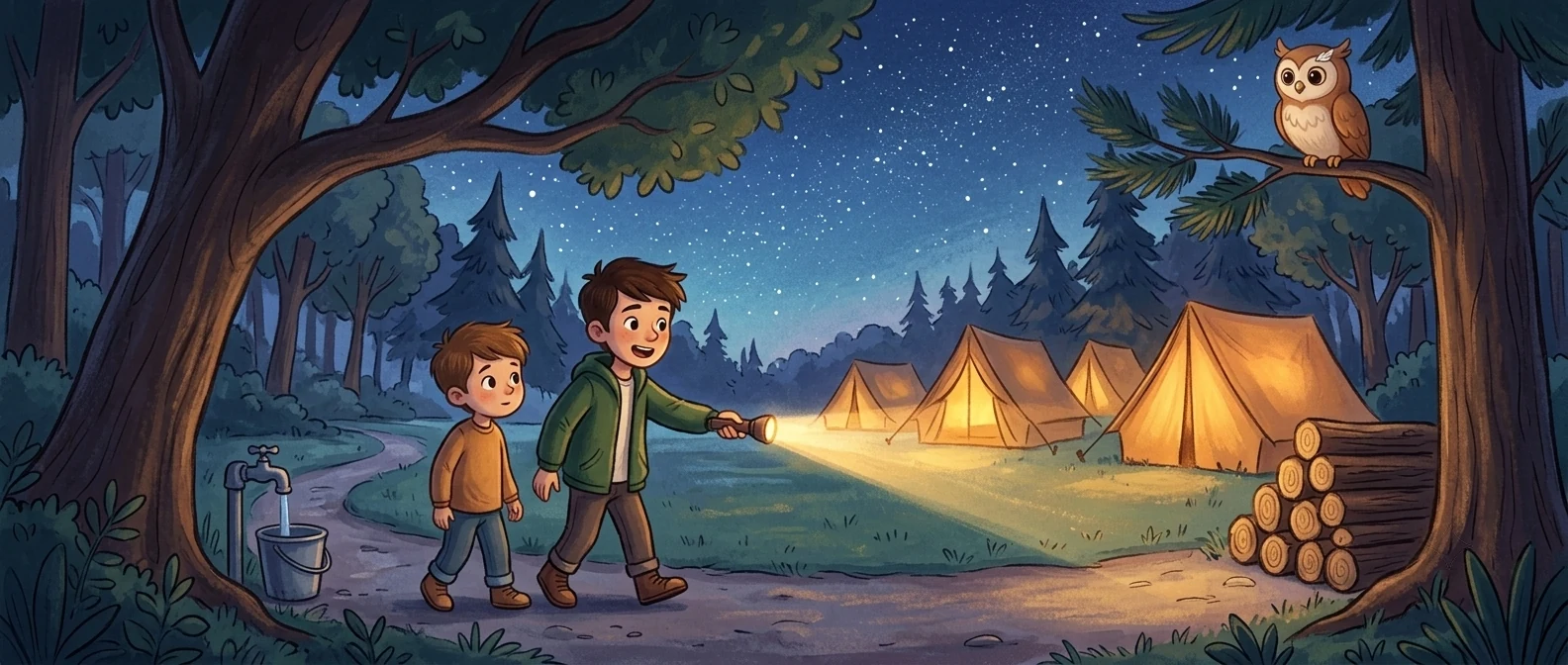
Dhruv is eleven — far too old to be afraid of the dark, which is why absolutely no one can ever find out. Then comes the school camp, and the night duty roster.
"Be brave" is a strange instruction to give a child, because it sounds like an order to stop being afraid — and no one can do that on command. Real courage is quieter and much more possible: being scared and going anyway. That's a thing a story can show in a way no pep talk can, because in a story your child watches a character's knees wobble the whole way through the brave thing, and sees that the wobble was never the problem.
The courage stories here come in every size a childhood needs — a dark hallway, a first day, a friend to defend, a truth to say out loud. Each one keeps the fear honest (it never magically disappears) and each ends with a short Talk About It prompt, so your child can tell you where their own brave places are. And if tonight's reader needs a little courage too, nobody has to know.
Dhruv is eleven — far too old to be afraid of the dark, which is why absolutely no one can ever find out. Then comes the school camp, and the night duty roster.
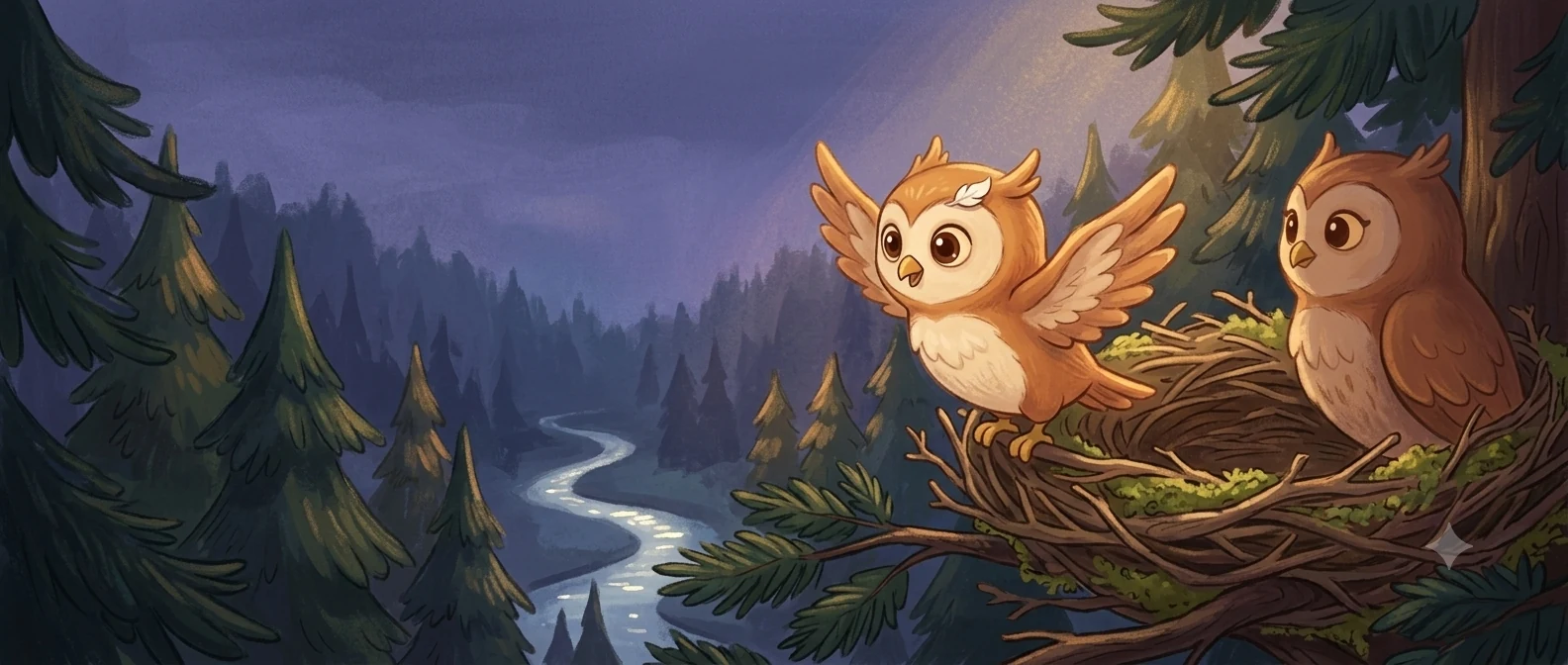
A young owl discovers that being brave doesn't mean the dark stops being dark.
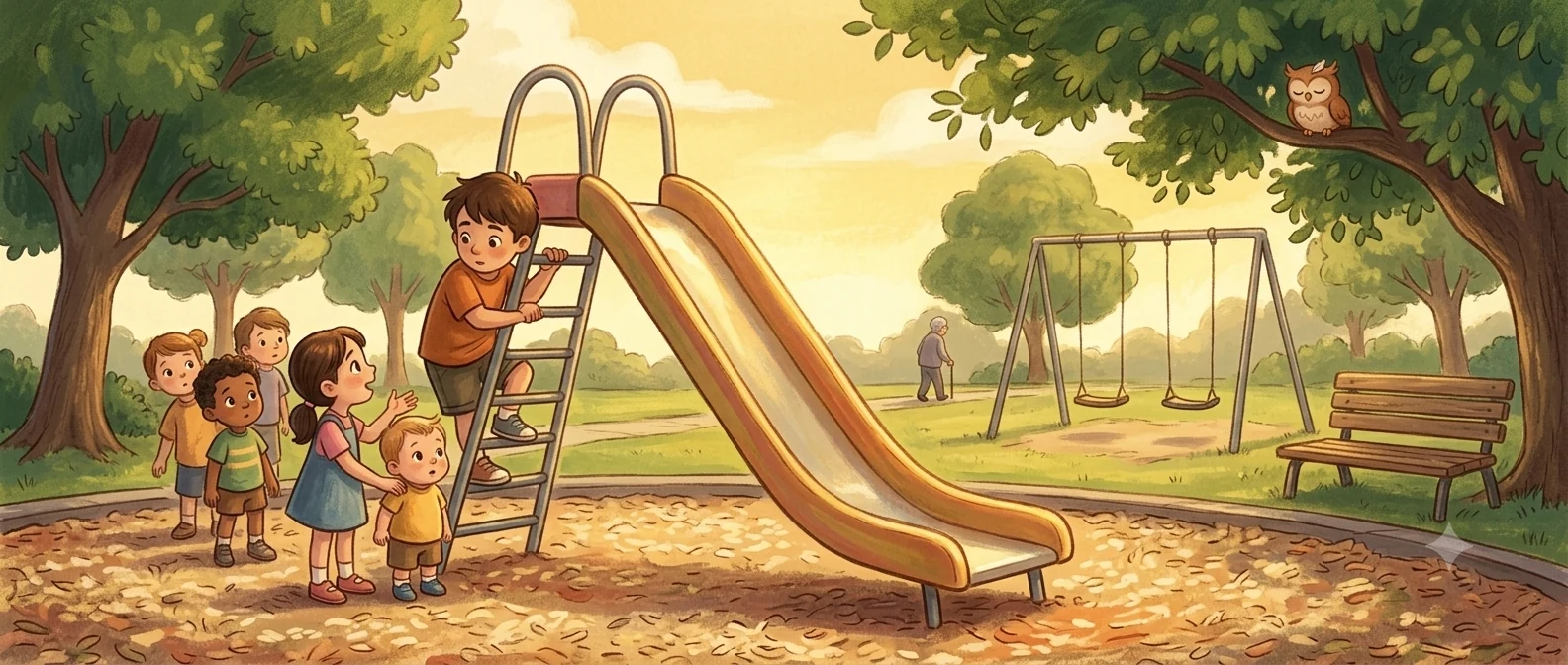
Every time little Golu reaches the front of the slide line, somebody pushes in. Everyone sees it. Anya is the one who says something — three small words.
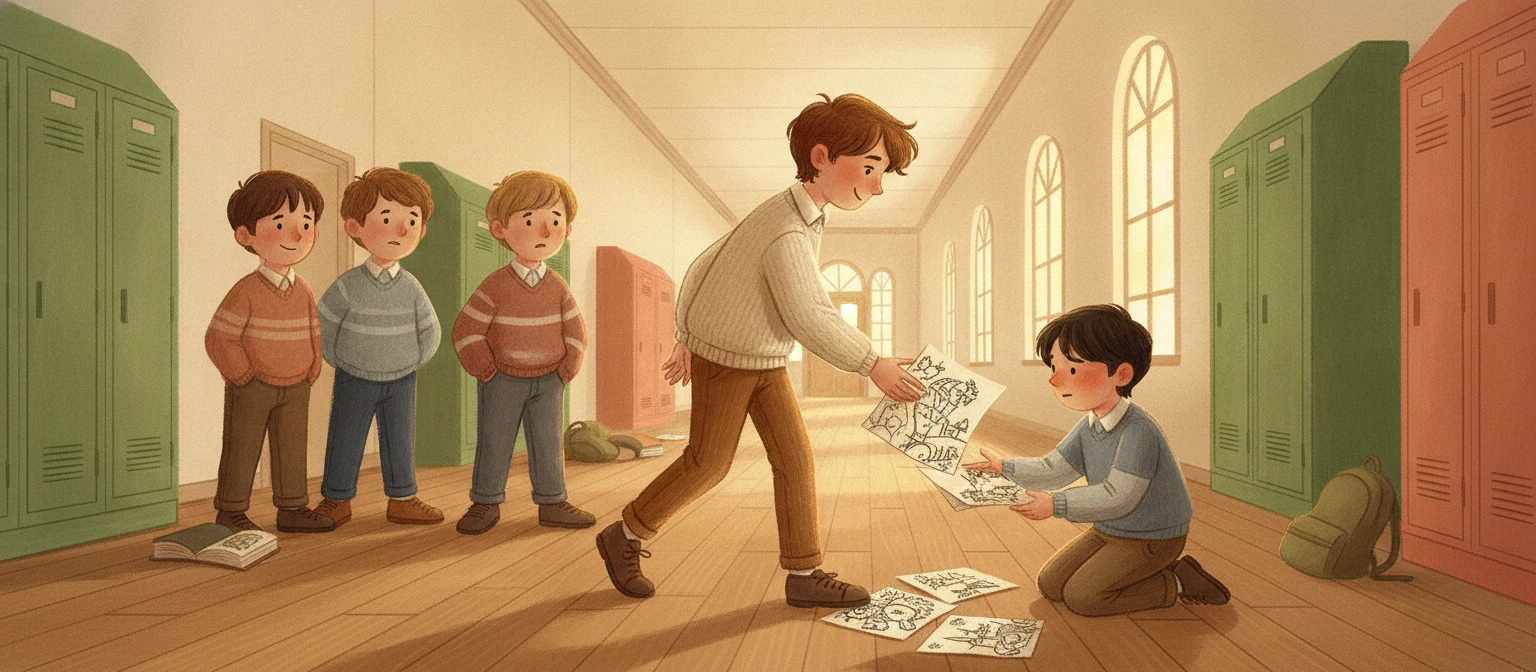
Zain doesn't even like Pranav — nobody really does. Which is exactly what makes the moment in the corridor so complicated.
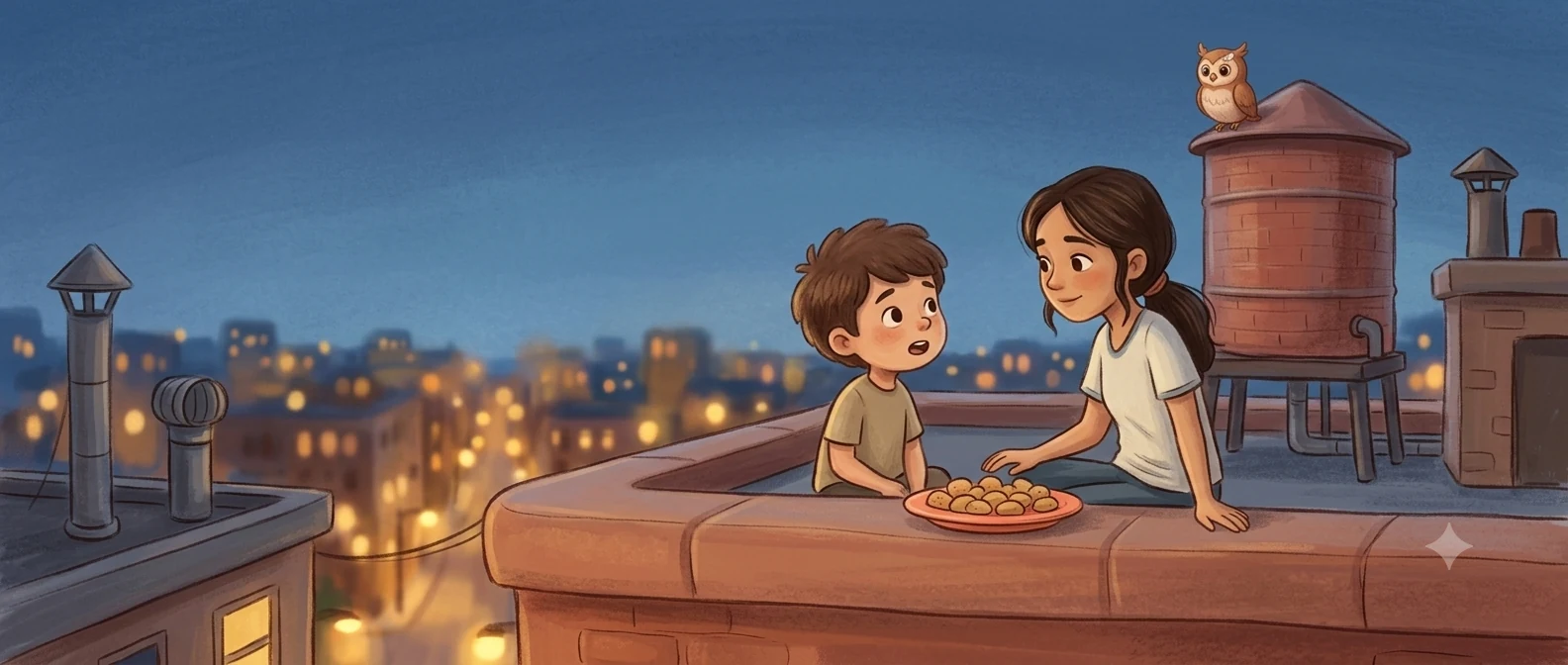
It started with the glasses, and then it did not stop. Aarav carried it from July to October without telling anybody — until his cousin took him up to the roof and asked one straight question.
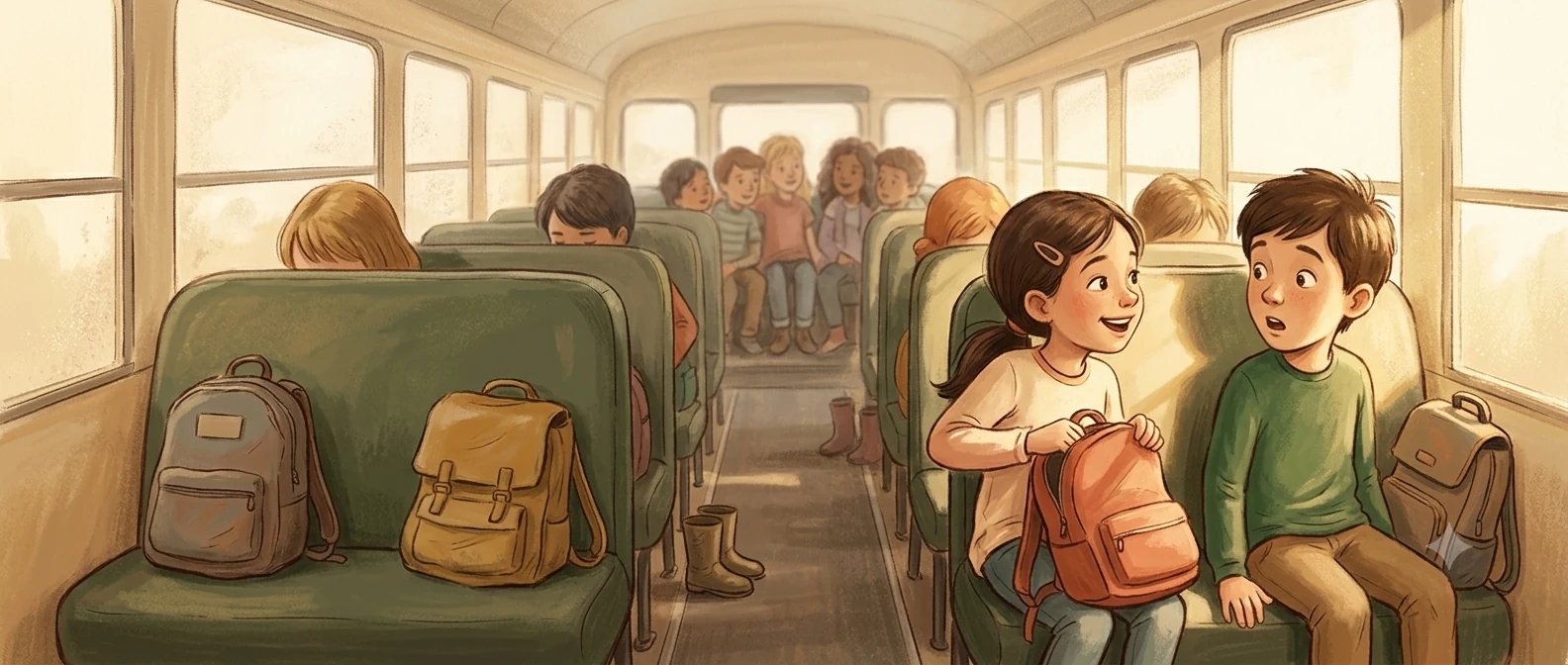
Diya laughed at the joke about Sameer's stammer. Only once, only a little — but she heard herself do it. This is a story about the seat nobody wants to change.
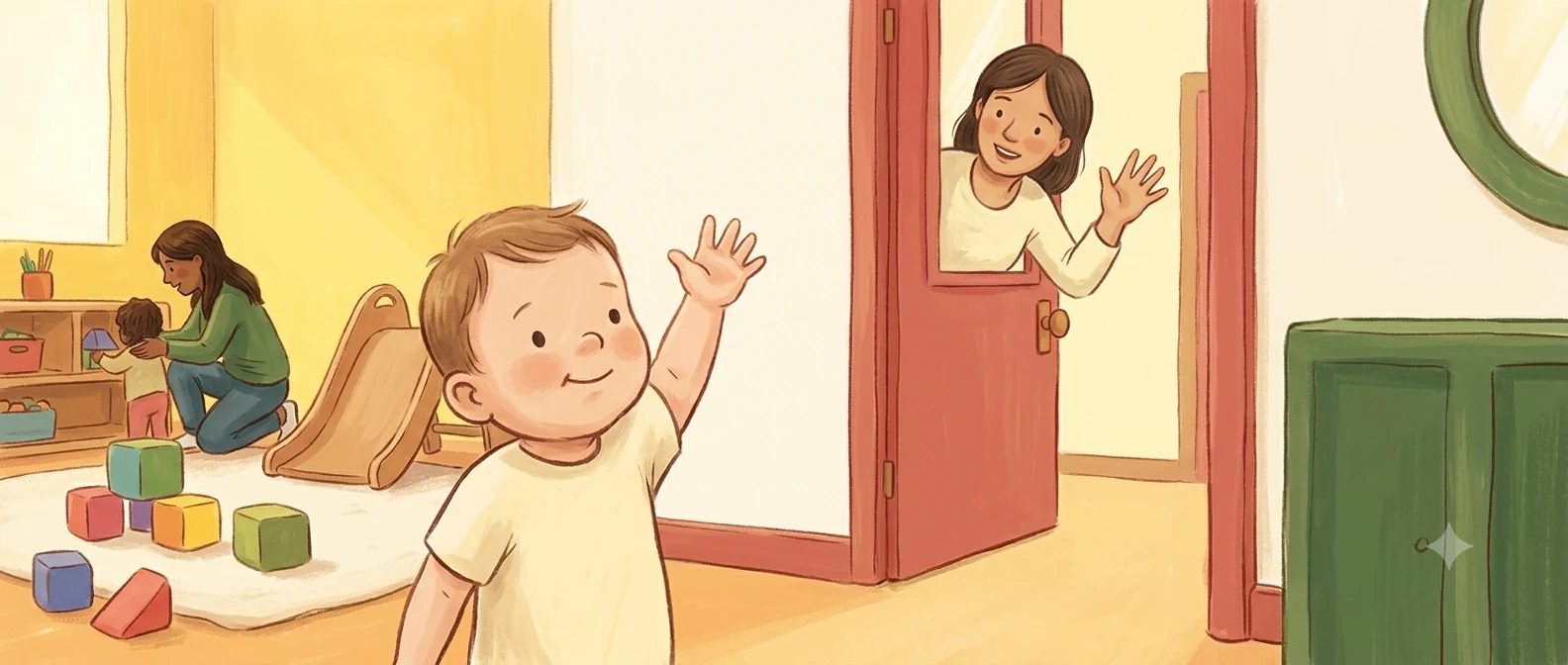
At the door of the playroom, Ari's hand holds on tight to Mama's. Saying bye-bye is the biggest, bravest thing — and it has its own special wave.
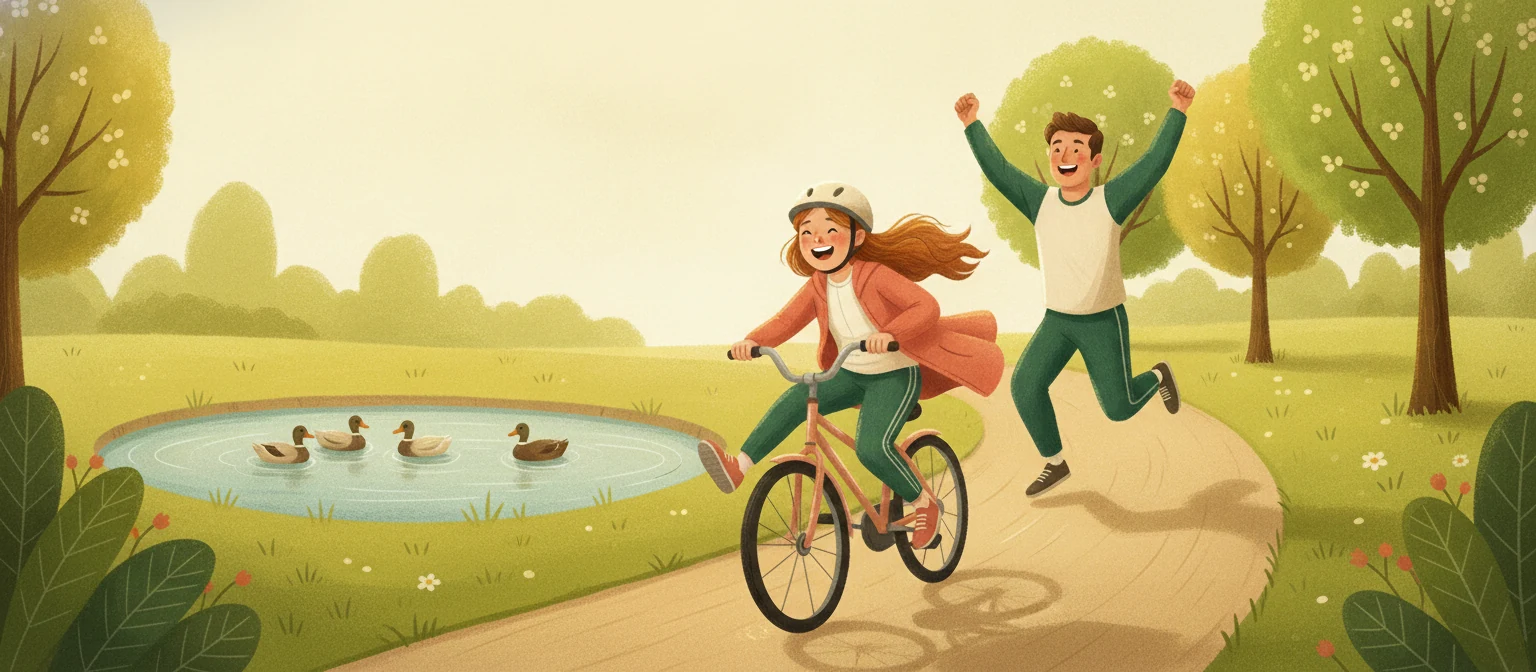
Yara can ride her bike perfectly — as long as Papa's hand is on the seat. Today, in the park, she's about to find out where the balance really lives.
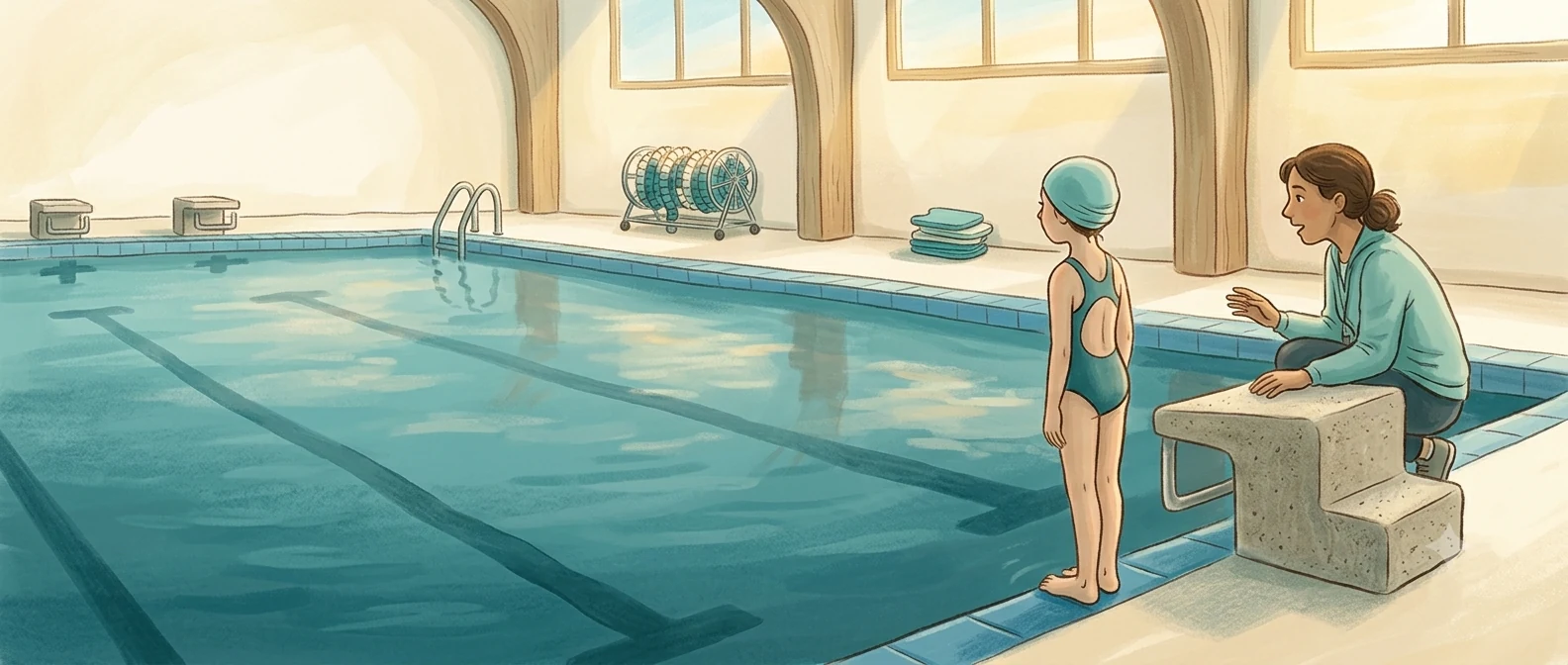
Riya is the fastest swimmer in her class — as long as her feet can touch the bottom. Nobody knows that. Keeping it that way is becoming a full-time job.
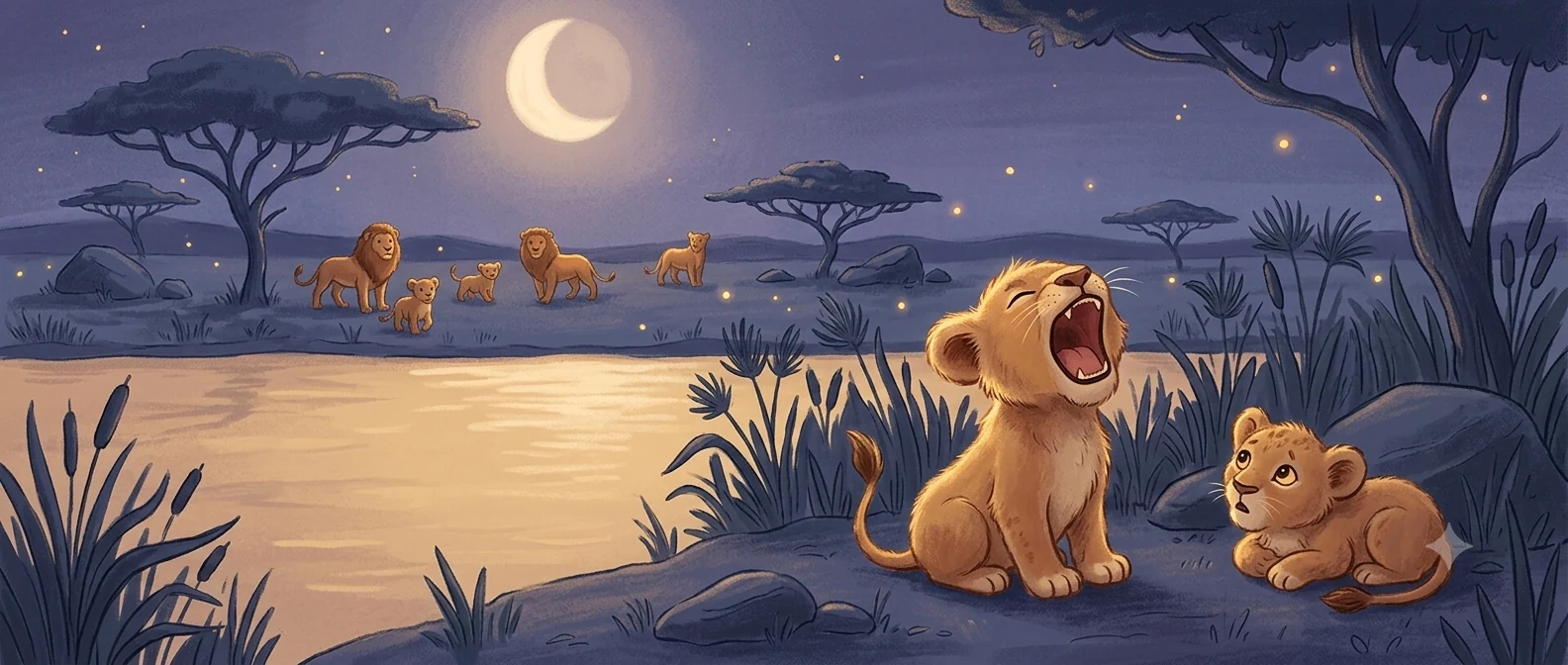
Every cub roars at the Gathering — it's tradition. Sher has practised all season. What comes out of him that day is not a roar.
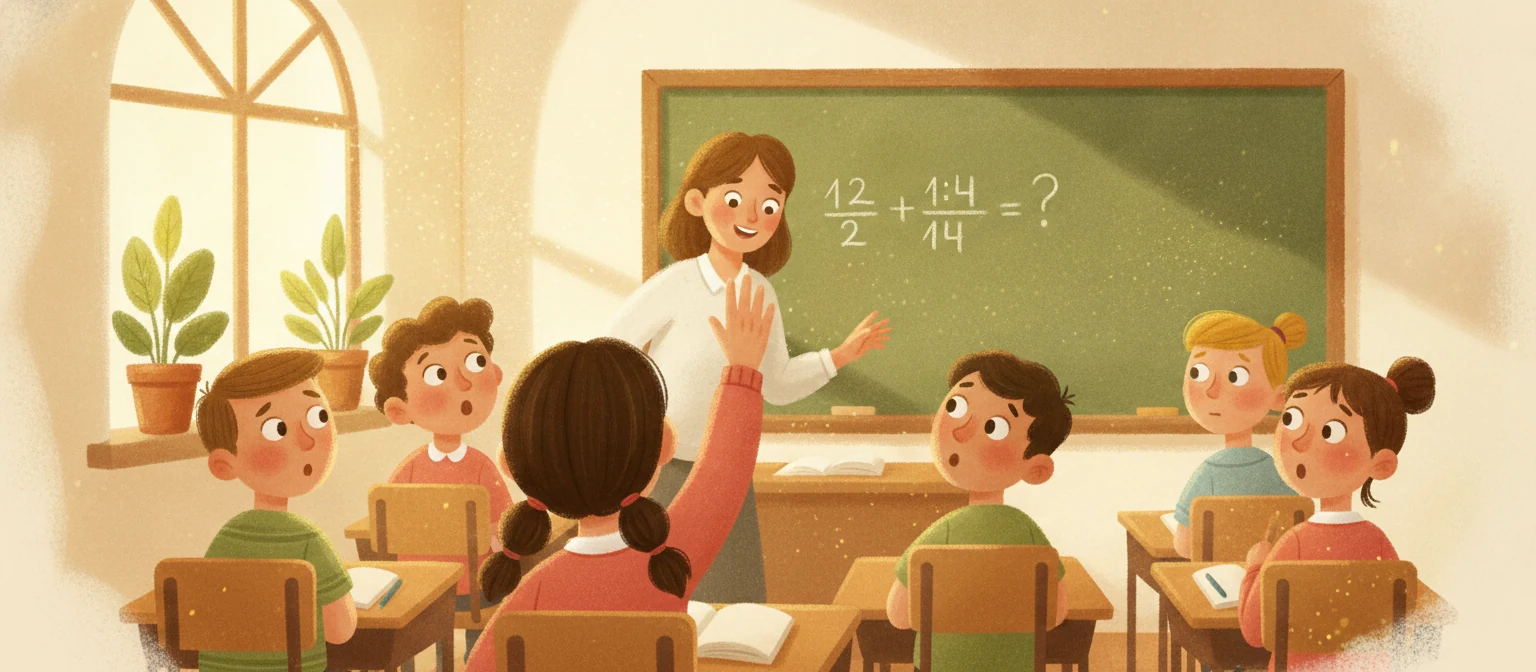
Everyone in class 4B seems to understand fractions. Everyone is nodding. Meera doesn't understand at all — and her hand weighs a hundred kilos.
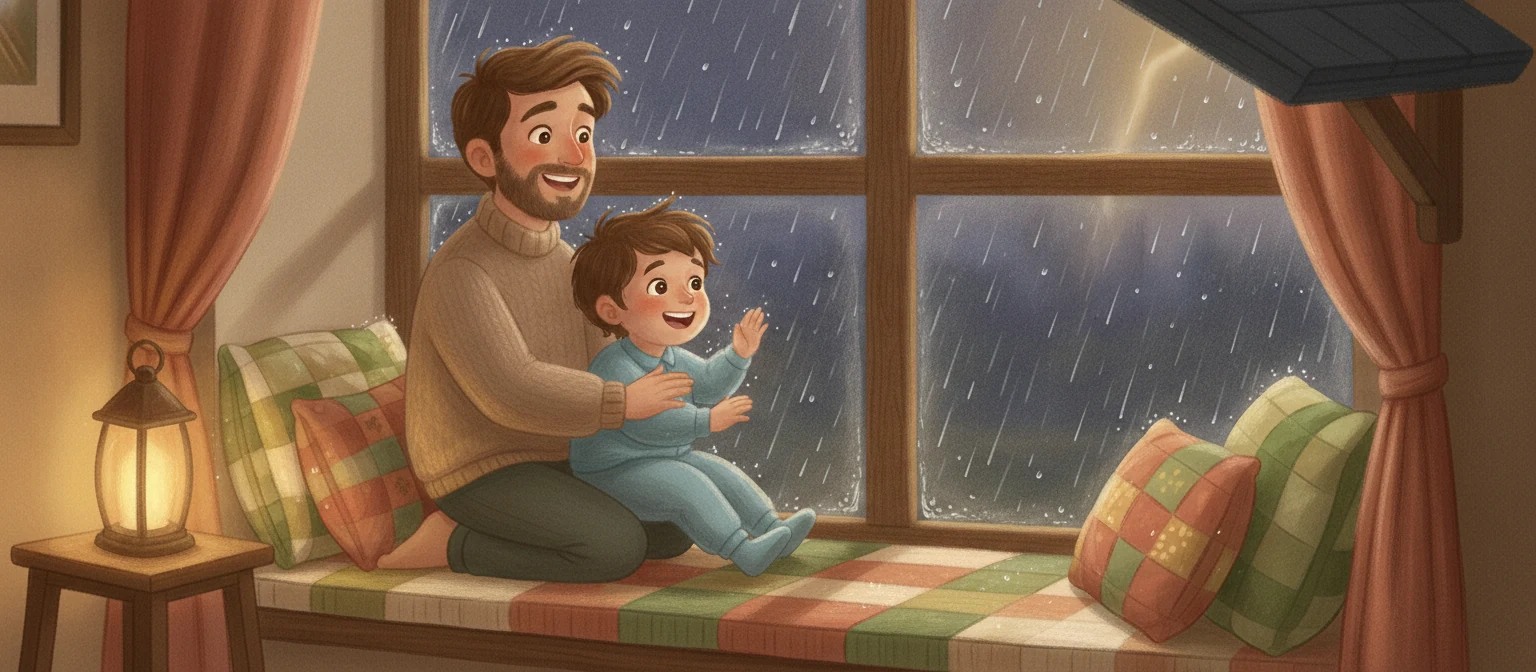
BOOM! goes the thunder, and Avi jumps. But Papa knows what that big sound really is — and how to drum right back.
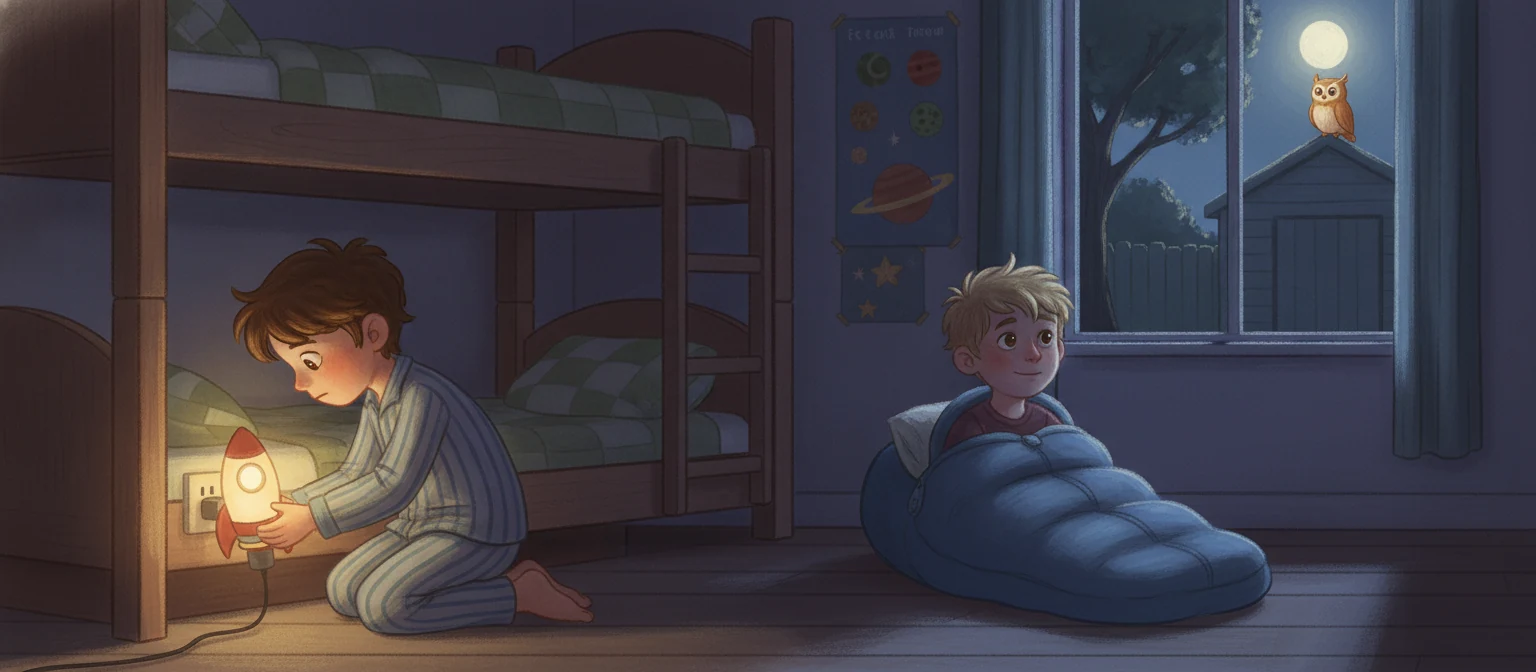
Leo has wanted this sleepover for weeks. He's also been dreading it for weeks — because at home, there's a night-light, and at Finn's house, who knows?
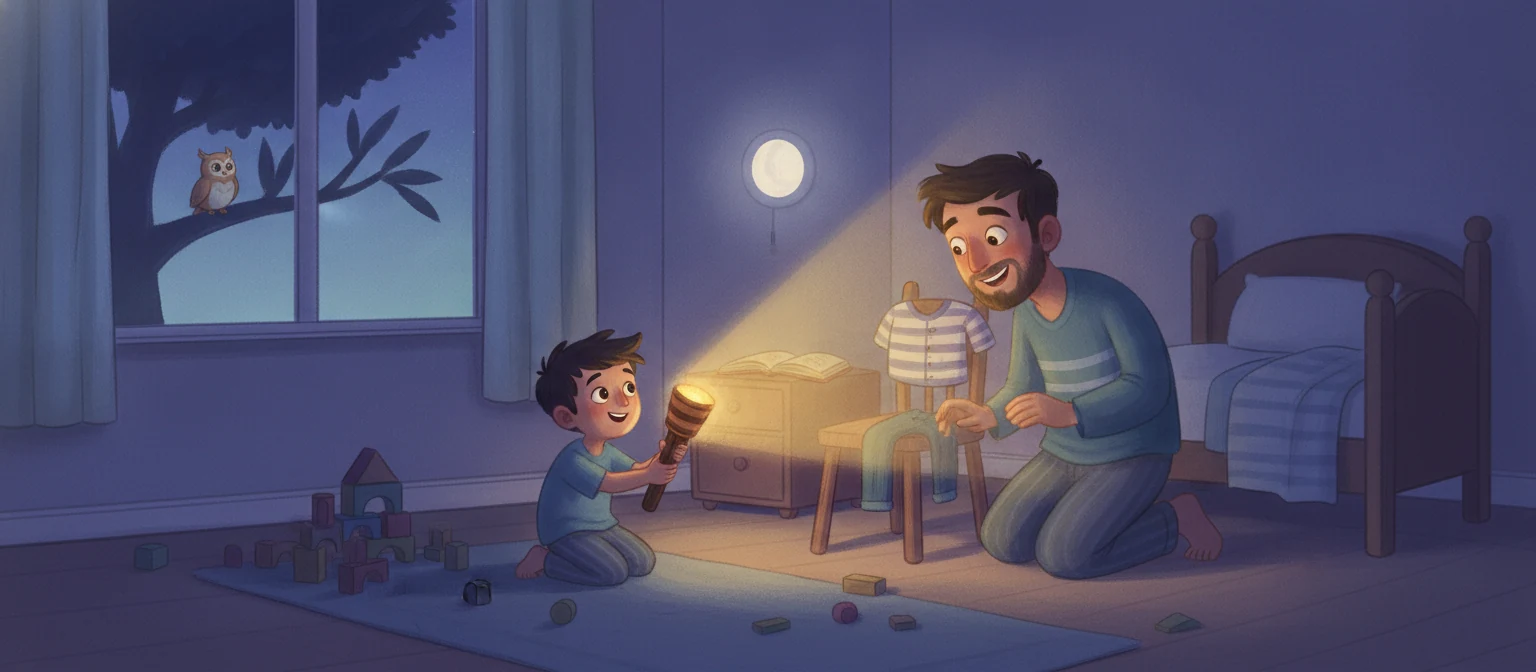
There is something in the corner of Kiaan's dark room. Papa doesn't say 'there's nothing there.' Papa says: 'Let's go find out what it is.'
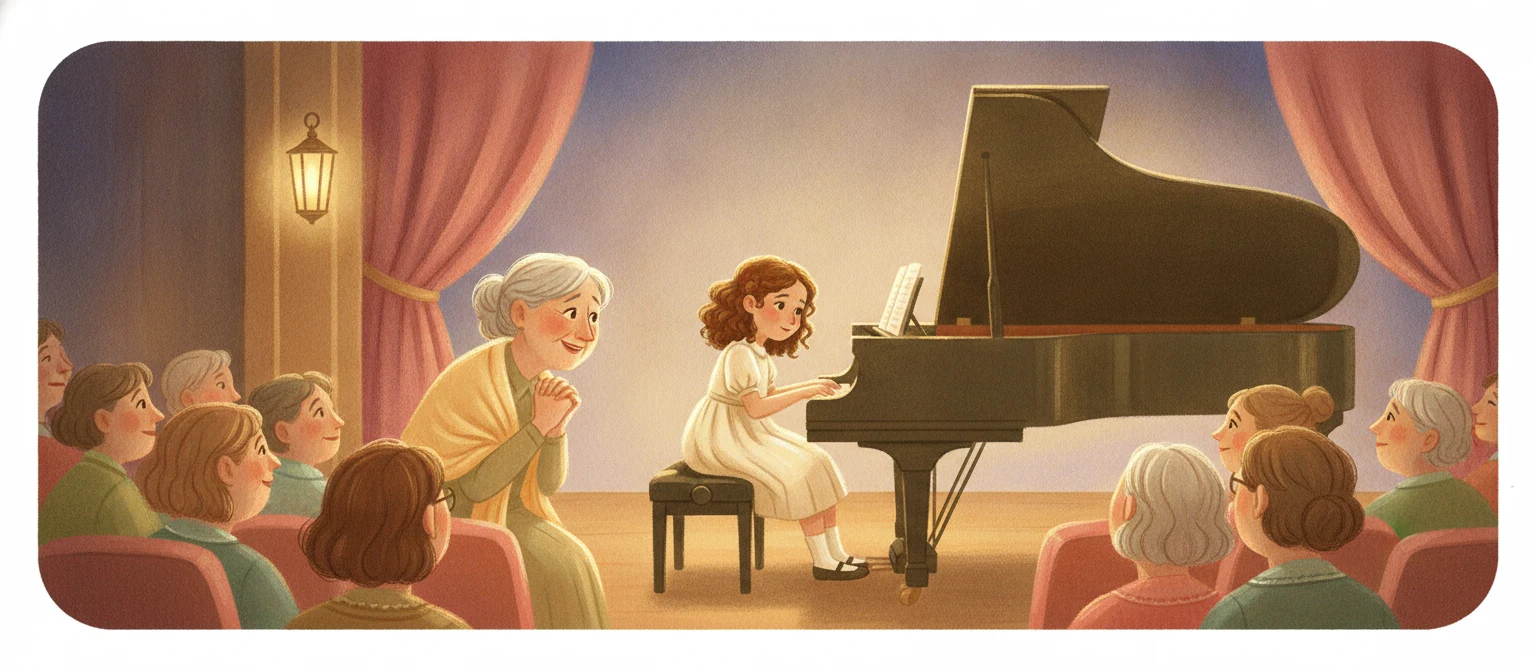
Halfway through her first recital piece, Anna's hands stop — in front of everyone. What she does in the next sixty seconds is the part nobody in that hall ever forgot.
One moment Nikku's hand is in hers, and the next moment it isn't. Everything in Aarohi wants to run in four directions at once. So she does the hardest thing there is, which is nothing.
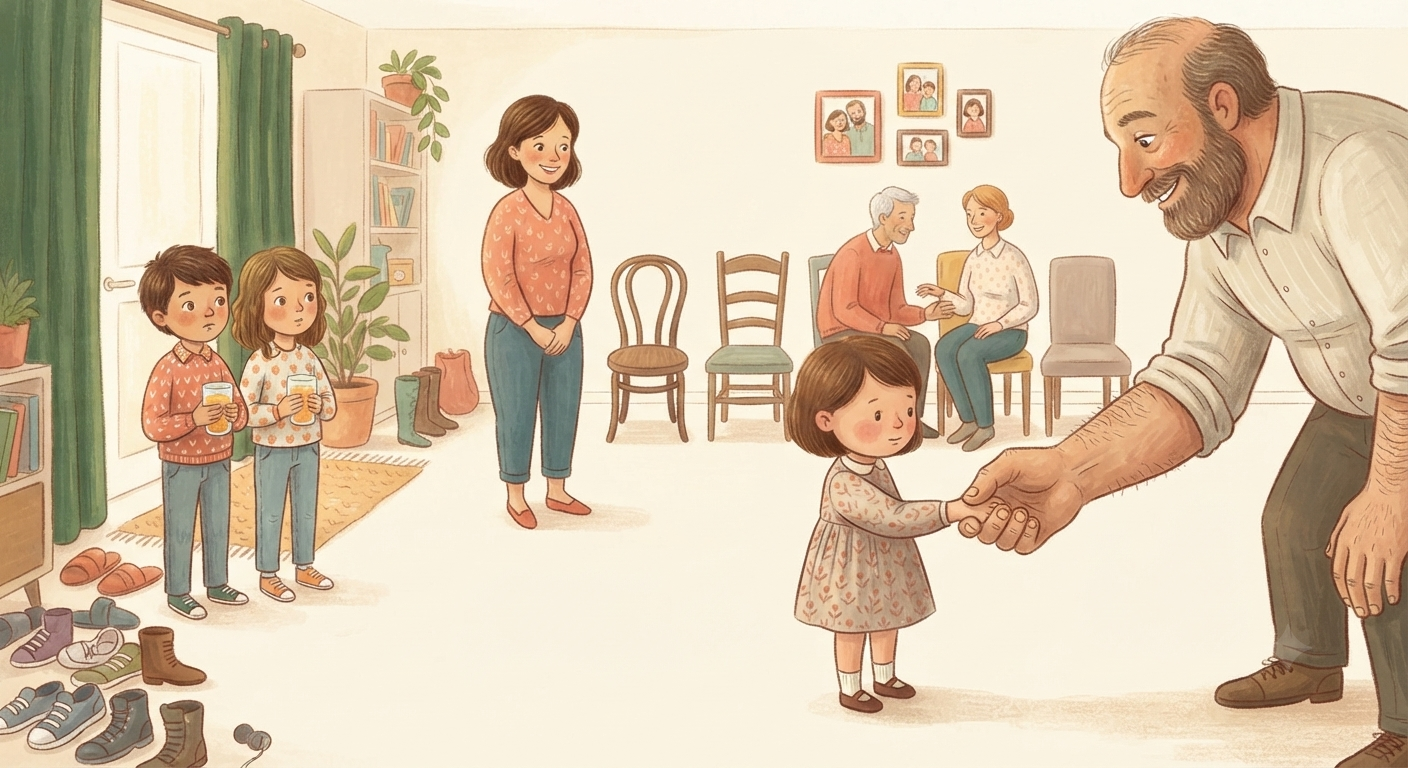
Uncle Prakash comes twice a year, brings orange sweets, and always wants a hug. Today the whole room is watching, and Ira does not want to give one.
Zaid is the funniest person in the year and the reason school is bearable. About once a fortnight he says something in front of everybody that costs somebody else. Twice, it has been Nikhil.
Kestrel was the best teammate Vihaan had ever had — patient, funny, never shouted. Four weeks in, he asked Vihaan not to mention him to his father.
Ved does five things after school. He wants to do four. The hard part isn't the chess — it's that his father is the one who taught him, and his father paid for the whole term.
Stories are a safe rehearsal space. A child can watch a character feel the exact fear they feel — of the dark, of new places, of getting it wrong — and see that character come out the other side. Because it happens to someone else, the child can think about the fear without being flooded by it, which is exactly the practice courage needs.
It usually works better to name the fear first — "that dog is loud, and loud is scary" — and then reframe what brave means: not the absence of fear, but doing the thing while the fear is still there. Stories where a hero is visibly frightened and still acts give your child a truthful picture of courage to copy.
Every age — the dilemma just changes size. For ages 0–3 it might be a new sound or a first goodbye; for 4–6, the dark or the first day of school; for older children, speaking up or trying something they might fail at. Every courage story here is tagged by age band so the bravery matches your child’s world.