Honesty
Finders Keepers
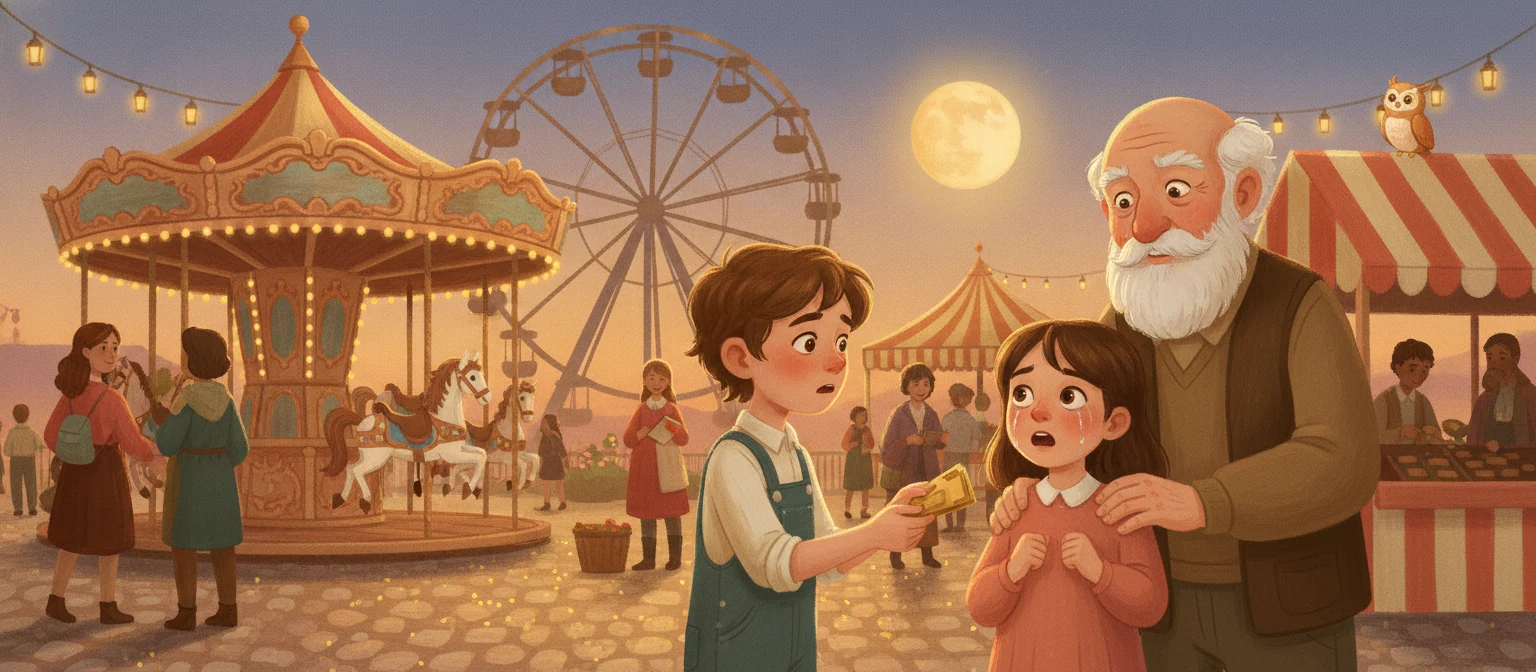
A folded banknote, lying in the grass at the spring fair — and the oldest law of the playground says it's Theo's now. But laws are worth checking.
Honesty is one of the hardest values to teach by explanation, because every child already knows they're supposed to tell the truth. What a lecture can't show them is what a story can: how a small lie grows legs, how the truth feels heavy right before you say it and lighter right after, and how trust — once cracked — takes patient work to mend.
The stories below let your child watch those moments from a safe distance. Some are fresh retellings of tales families have told for centuries; others are new stories written for the situations children actually face today. Each ends with a short Talk About It prompt — two or three questions, never a stated moral — so the conversation afterward is yours.
A folded banknote, lying in the grass at the spring fair — and the oldest law of the playground says it's Theo's now. But laws are worth checking.
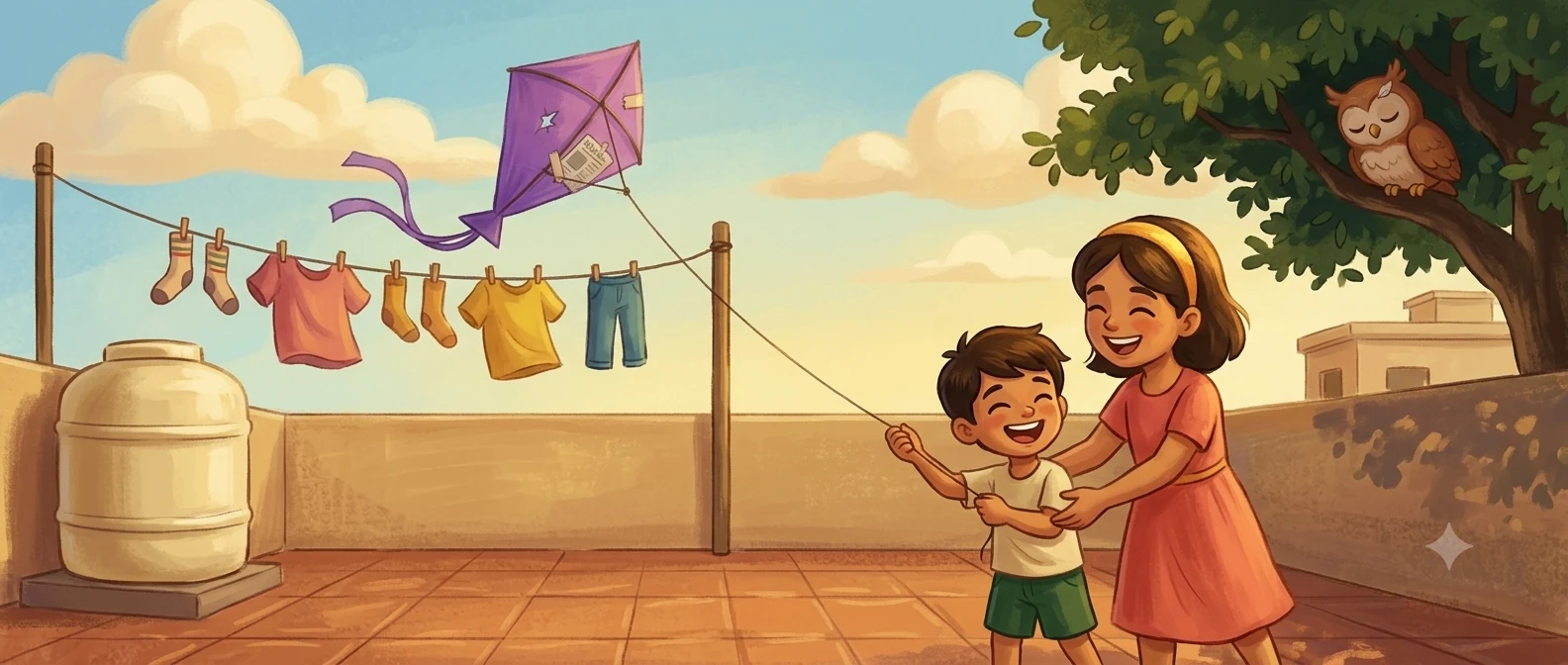
Ravi broke his sister's purple kite by accident. Nobody saw. The wind could take the blame... couldn't it?
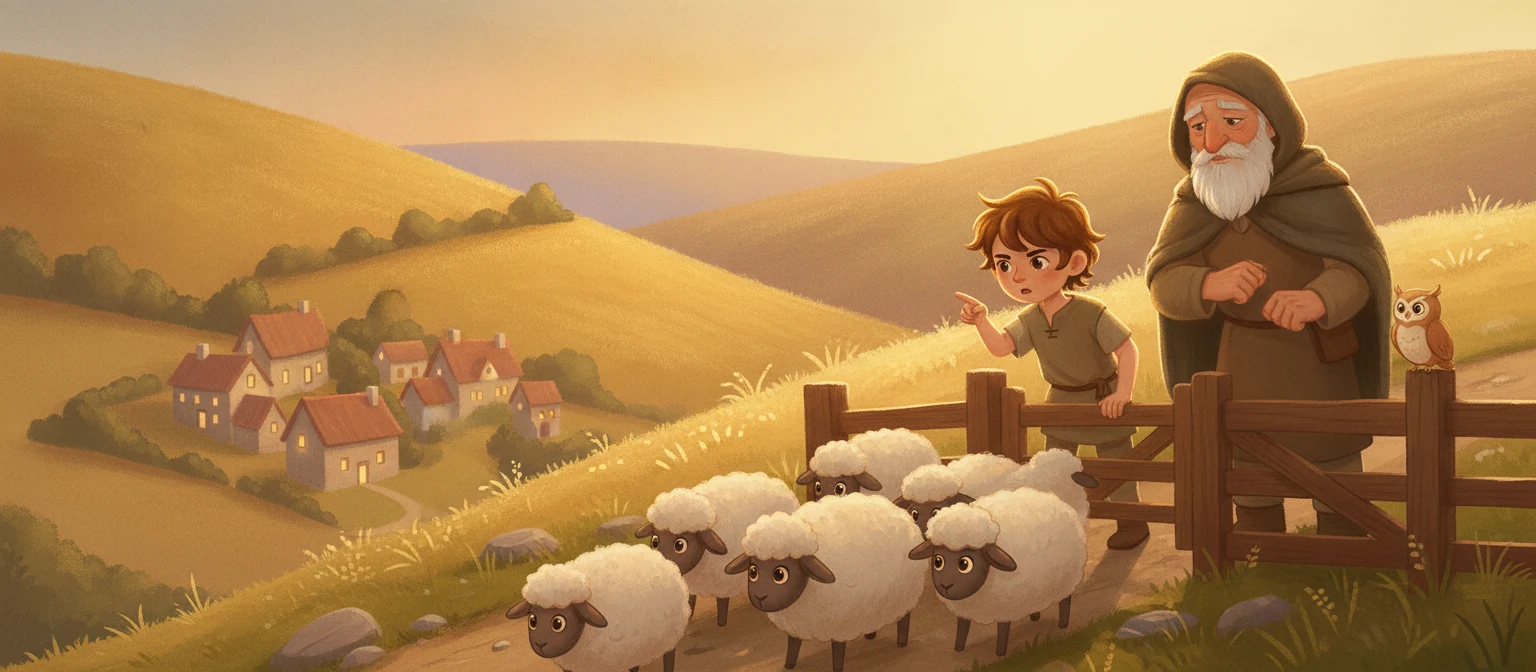
Our retelling of the classic fable — what happens when nobody believes you anymore, and how one boy slowly earns the village's trust back.
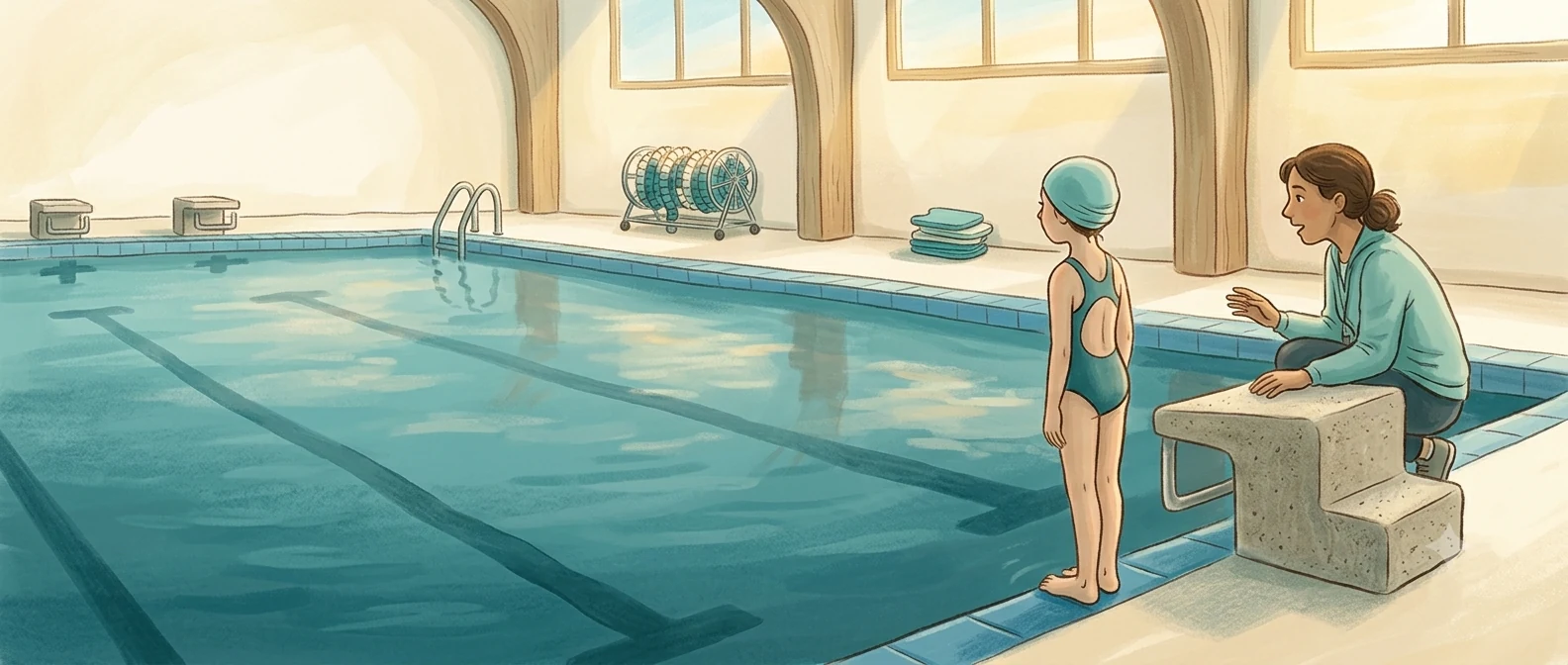
Riya is the fastest swimmer in her class — as long as her feet can touch the bottom. Nobody knows that. Keeping it that way is becoming a full-time job.
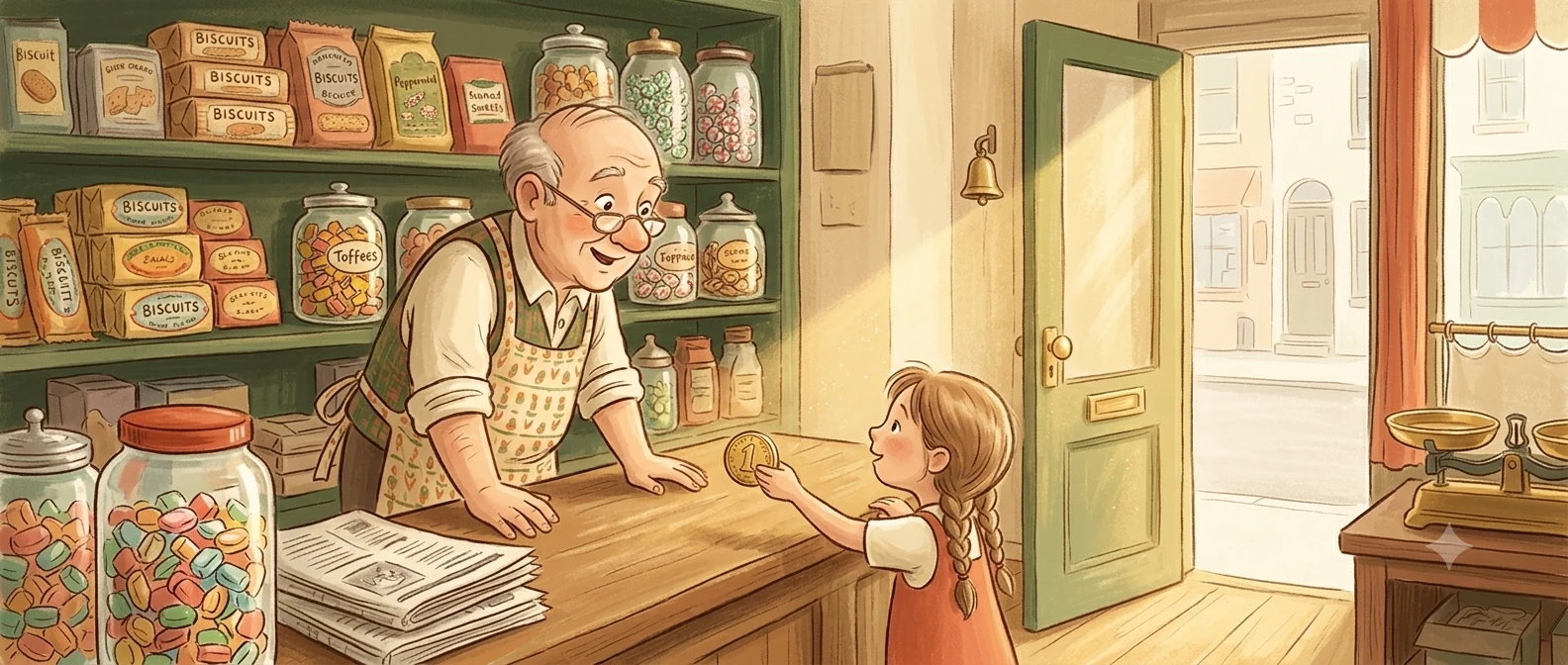
The shopkeeper gives Aanya one coin too many in her change. Nobody saw. Nobody would ever know — except her.
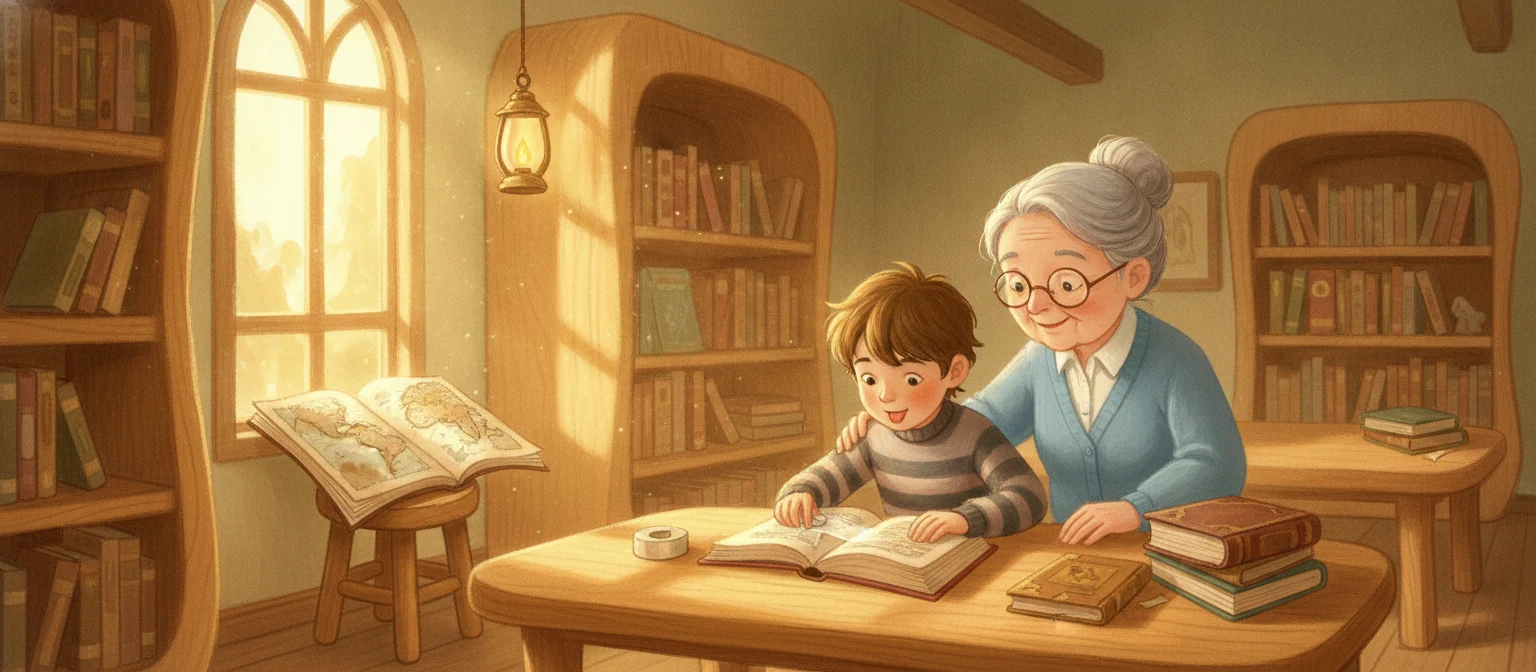
One splash of rasna, one soaked library book — and one whole week of hiding it under the bed. The book gets no better under there. Neither does Veer.
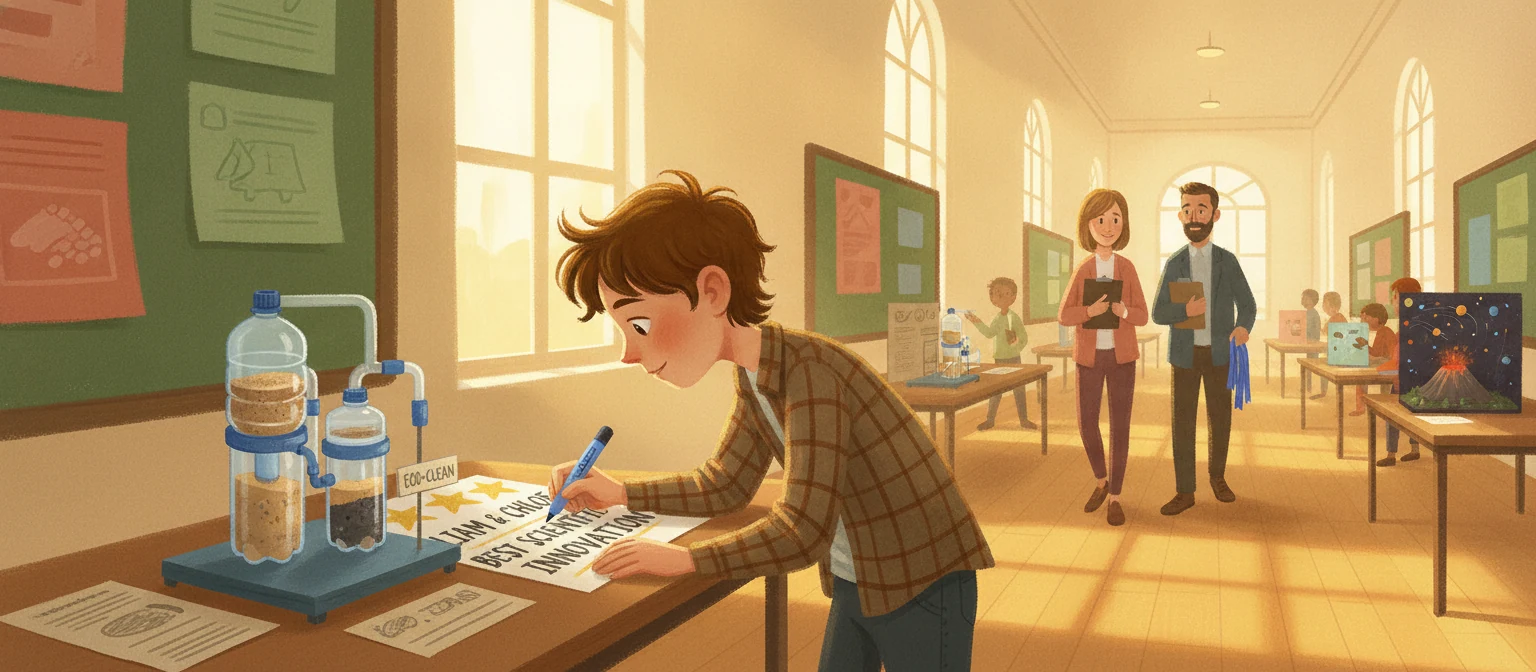
The science fair project was Advik's and Meher's — the idea hers, the polish his. But on judging day she's home with a fever, and all the applause lands on one person.
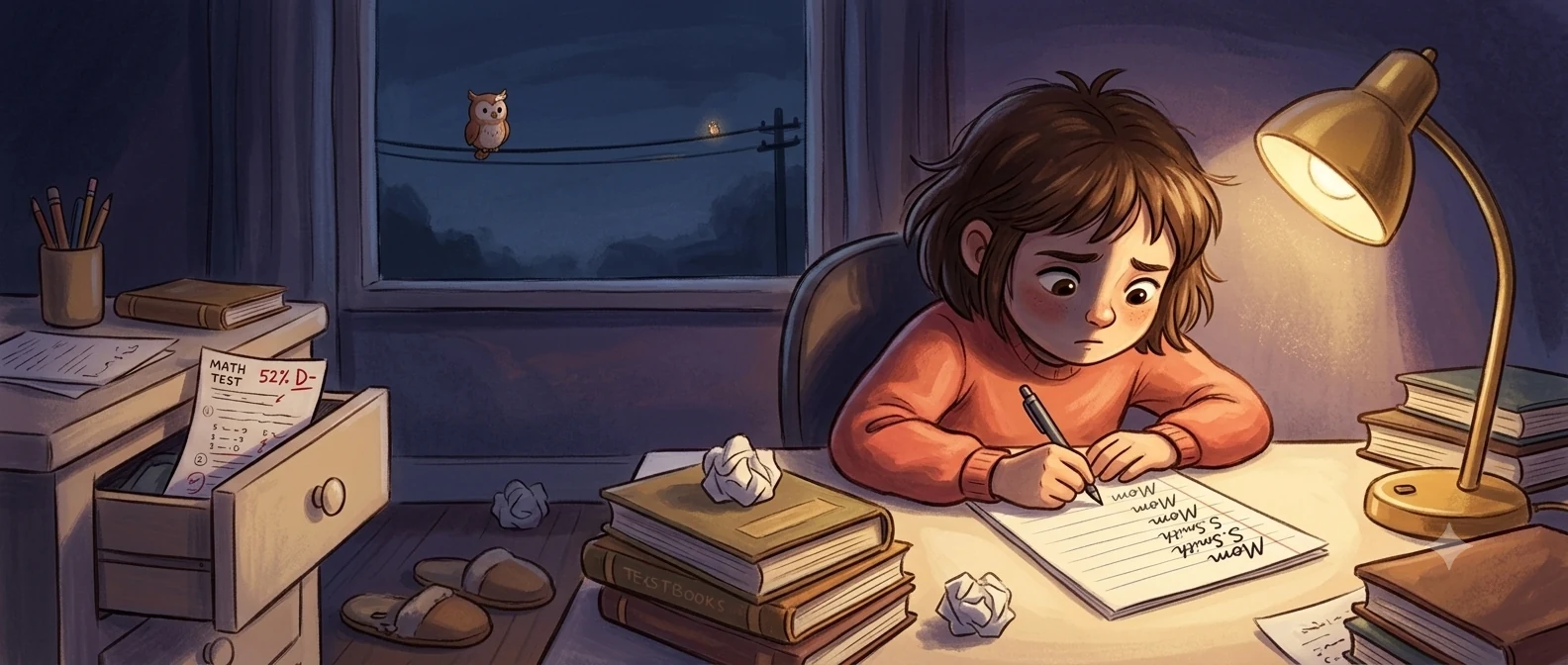
Forging Ma's signature took Anvi eleven tries and four minutes. Maintaining it took everything else.
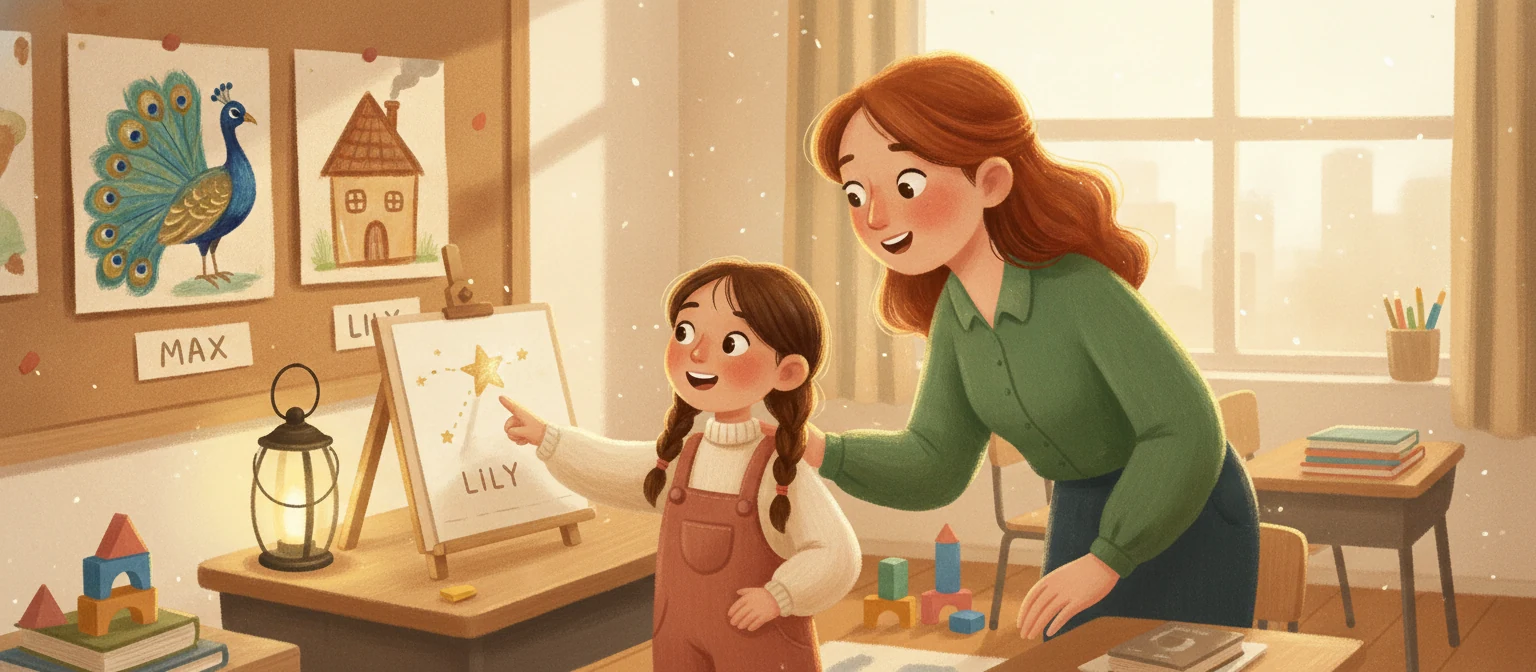
The teacher sticks a gold star on Mina's chart — for a painting Mina didn't paint. Nobody knows. But the star knows. Somehow, the star knows.
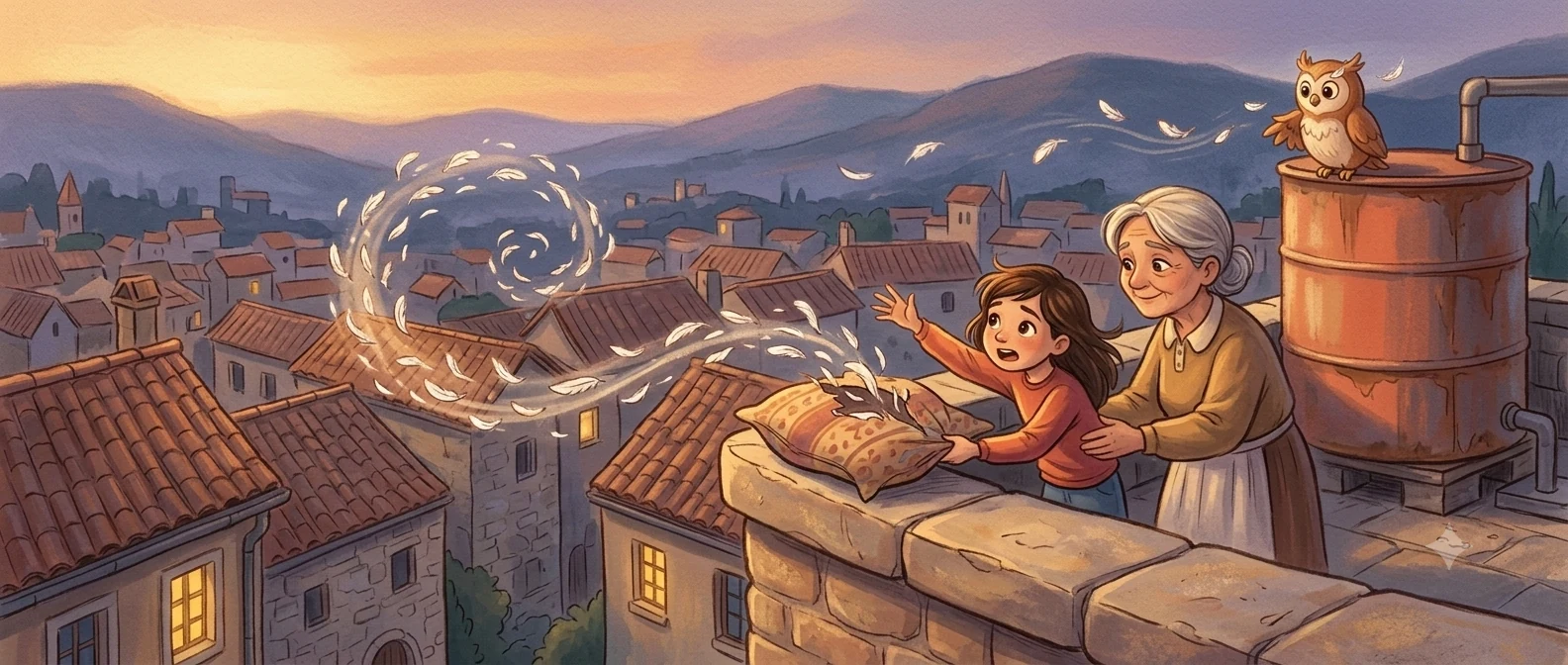
Ruhi only repeated what she thought she'd heard — once, to two people. By Friday it belonged to the whole class, and it wasn't even true.
None of it was a big thing. A racket with the tape hanging off. A torch with no batteries in it. A comic that came back wavy. Then Sahil asks to borrow the bicycle.
Rudra is genuinely, properly warm to Simran's face, every single time. Then he hands her his phone to show her a photo of his dog, and the wrong screen is open for about two seconds.
Rehaan's essay about the shoe-mender on the corner took nine seconds to write. It earned him a star and a clap in assembly. Then his grandmother asked him what colour the man's box was.
Kestrel was the best teammate Vihaan had ever had — patient, funny, never shouted. Four weeks in, he asked Vihaan not to mention him to his father.
Stories where a character faces a real choice between a comfortable lie and an uncomfortable truth work best, because children can feel the weight of the decision. On NestOfValues, every honesty story is tagged by age band, so you can pick one where the situation matches your child's world — a playground mix-up for younger children, a harder dilemma for older ones.
Children begin to grasp the difference between truth and pretend around ages 3–4, and understand why honesty matters to other people around ages 5–7. Stories help at every stage because they let a child watch the consequences of a lie safely, from the outside, before facing that choice themselves.
Rather than stating the moral, try asking a question — every NestOfValues story ends with a short Talk About It prompt for exactly this. When children name the lesson themselves, it stays with them far longer than when it's announced to them.