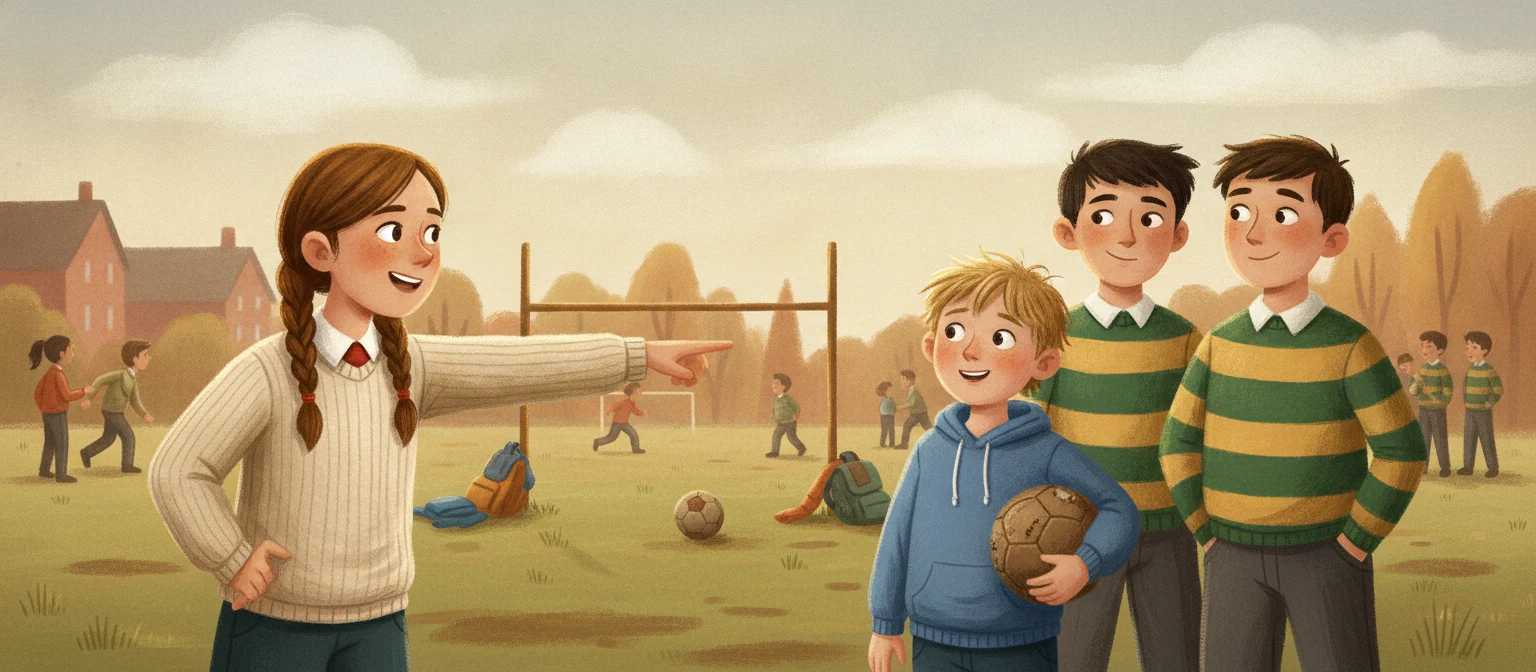
Standing Up for Others
First Pick
Every lunchtime, the same ritual: captains pick teams, and Oliver is picked last. Always. Then Maya wins the coin toss and does something nobody's ever done.
"Work together" is one of those phrases children hear constantly and picture never. What does together actually look like when you're five and the puzzle is uncooperative and your partner wants to do it wrong? Stories answer with pictures instead of instructions: a whole flock of trapped doves lifting the hunter's net by flying as one, an old man's bundle of sticks that wouldn't break bundled, a wall built by neighbours who each knew a different part of the job.
The world's folk traditions are rich in exactly this plot — several are retold here in our own words — and we've added new stories set in relay races, group projects and kitchens on festival mornings. Along the way they make the quieter points too: teams need different strengths, someone has to go second, and the loudest idea isn't always the plan. Each ends with a short Talk About It prompt.
Every lunchtime, the same ritual: captains pick teams, and Oliver is picked last. Always. Then Maya wins the coin toss and does something nobody's ever done.
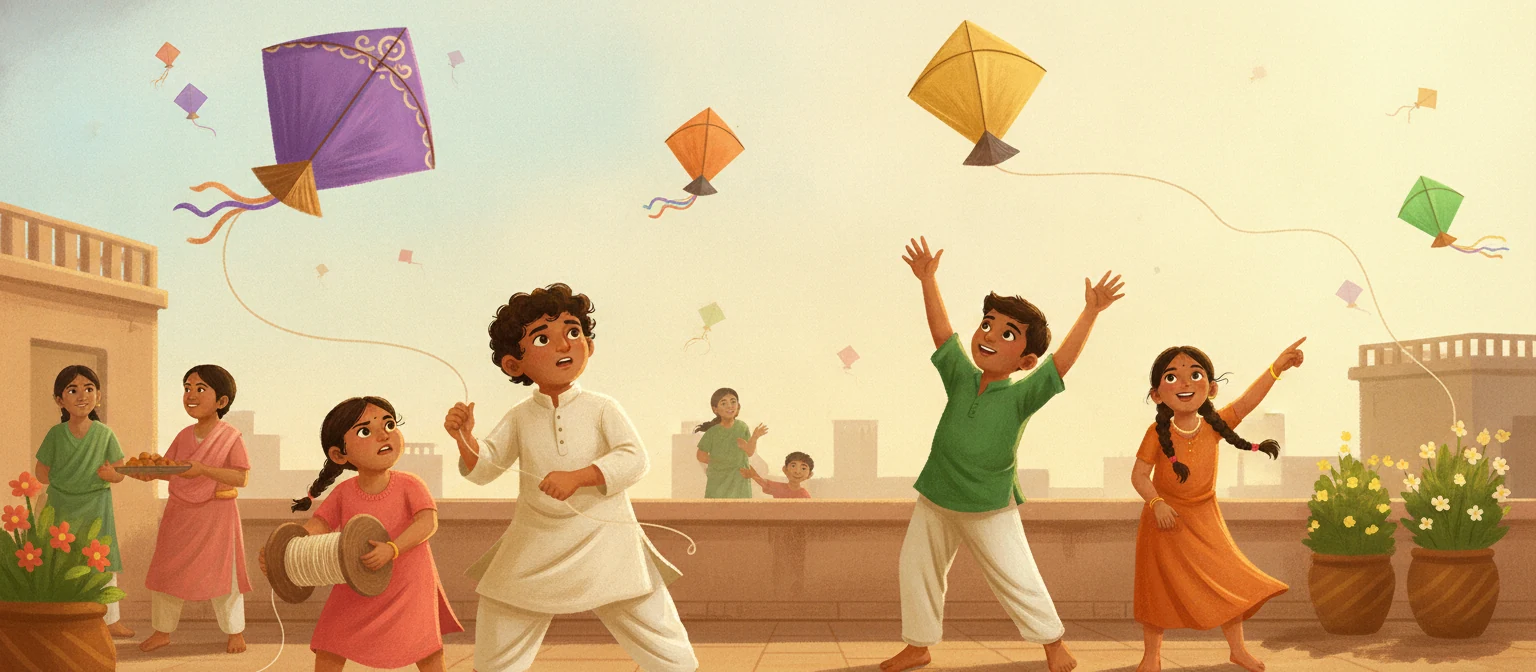
On Sankranti, the sky belongs to kites — and Ishaan is determined to fly his alone. The sky, it turns out, has opinions about one-person kites.
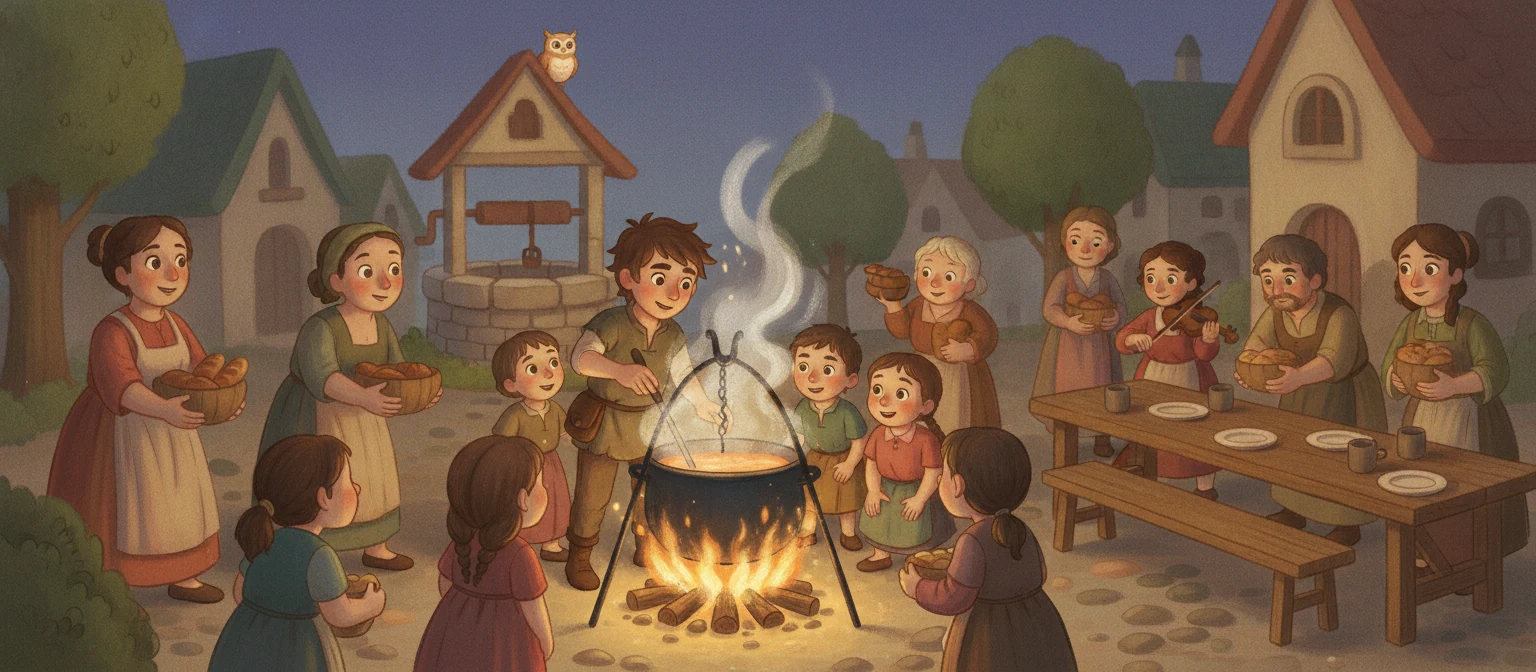
A hungry traveller arrives in a village where every cupboard is 'empty' — and starts making soup from a stone. Our retelling of the world's most delicious trick.
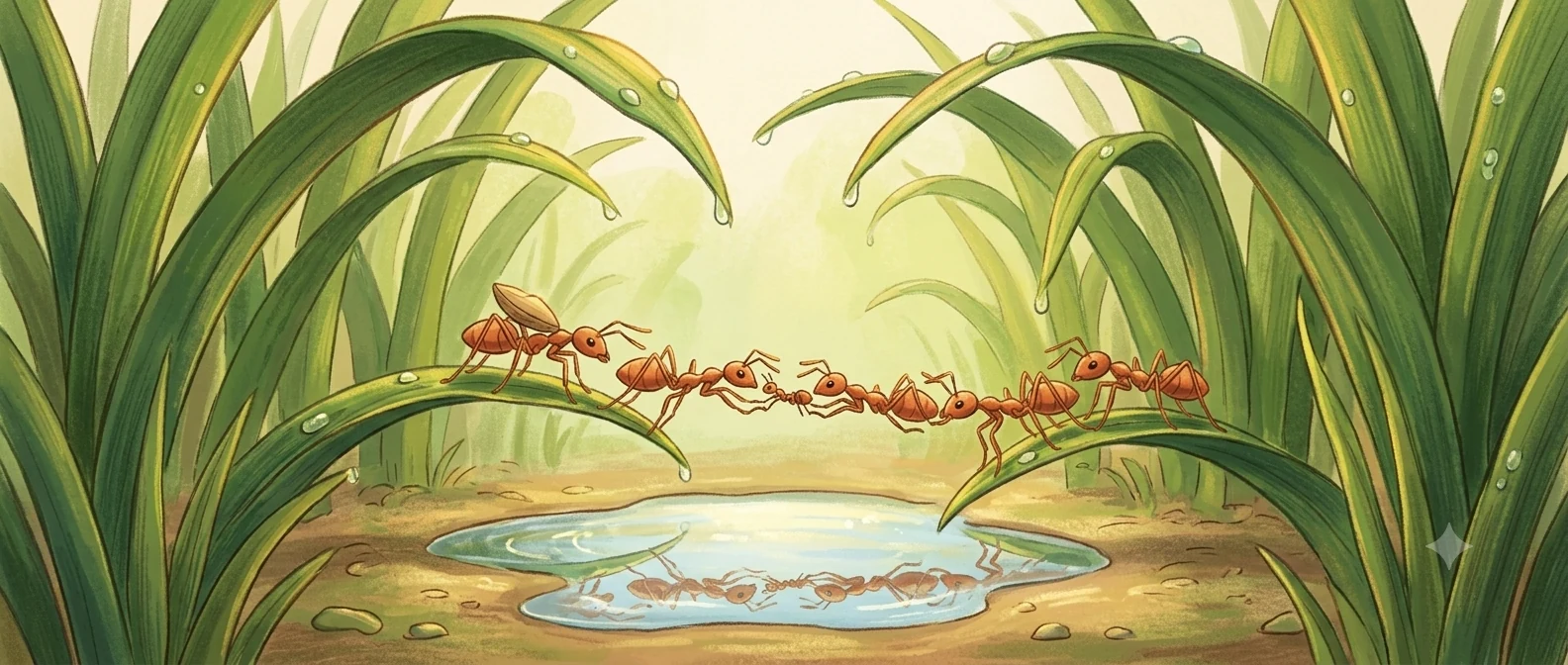
The rain has made a little river, right across the ants' path home. Too wide to jump, too deep to wade — unless everybody holds on tight.
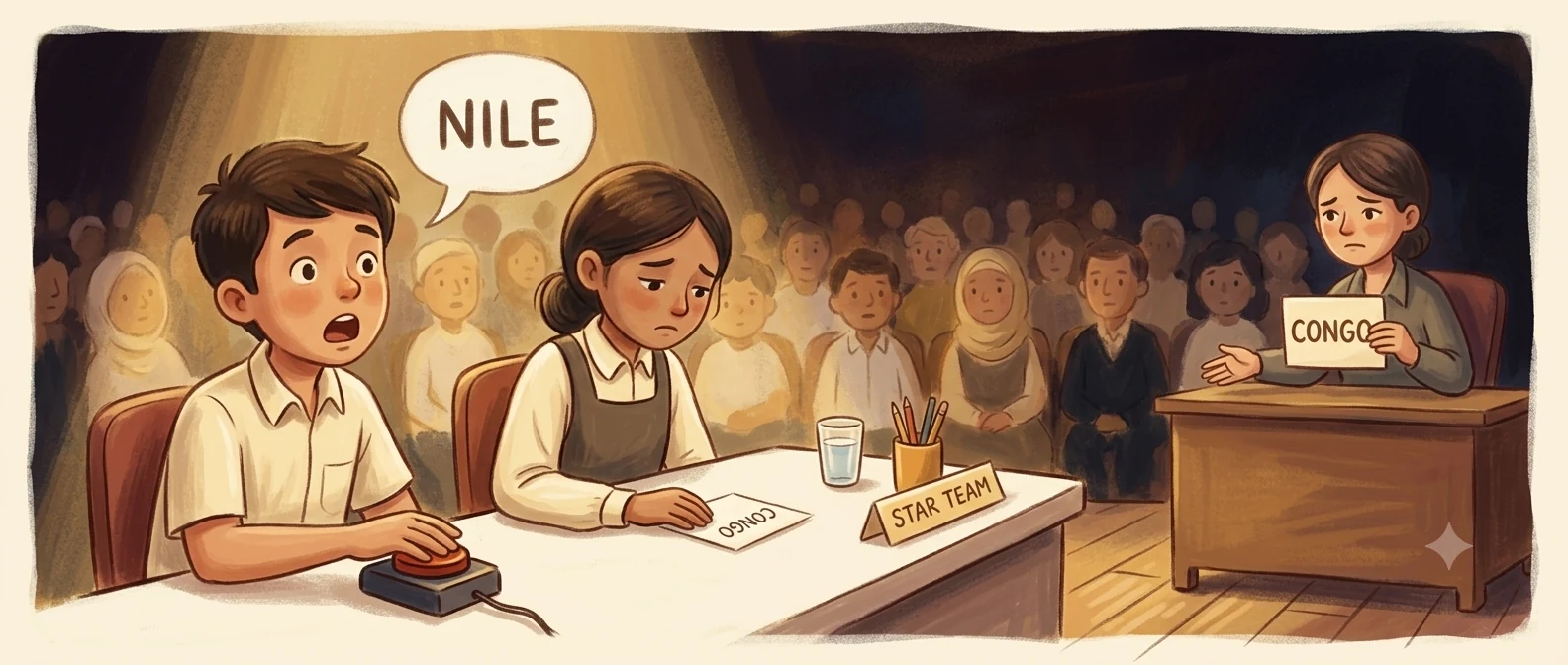
Dev has captained the quiz team to two trophies and knows he's the best on it. Then, in the final, with everything on the line, the new girl whispers an answer — and he overrides it.
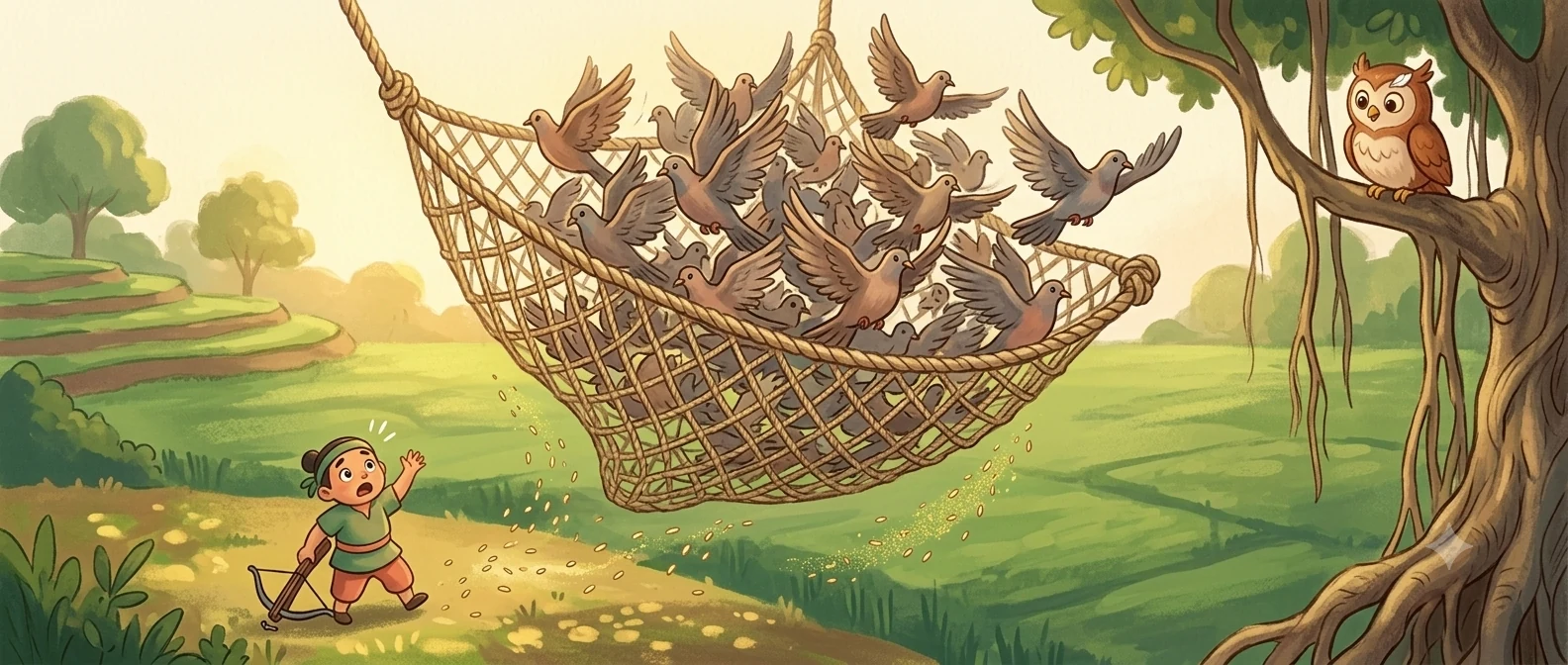
A whole flock of doves is trapped under the hunter's net — and no single dove is strong enough to lift it. Our retelling of the beloved Panchatantra tale.
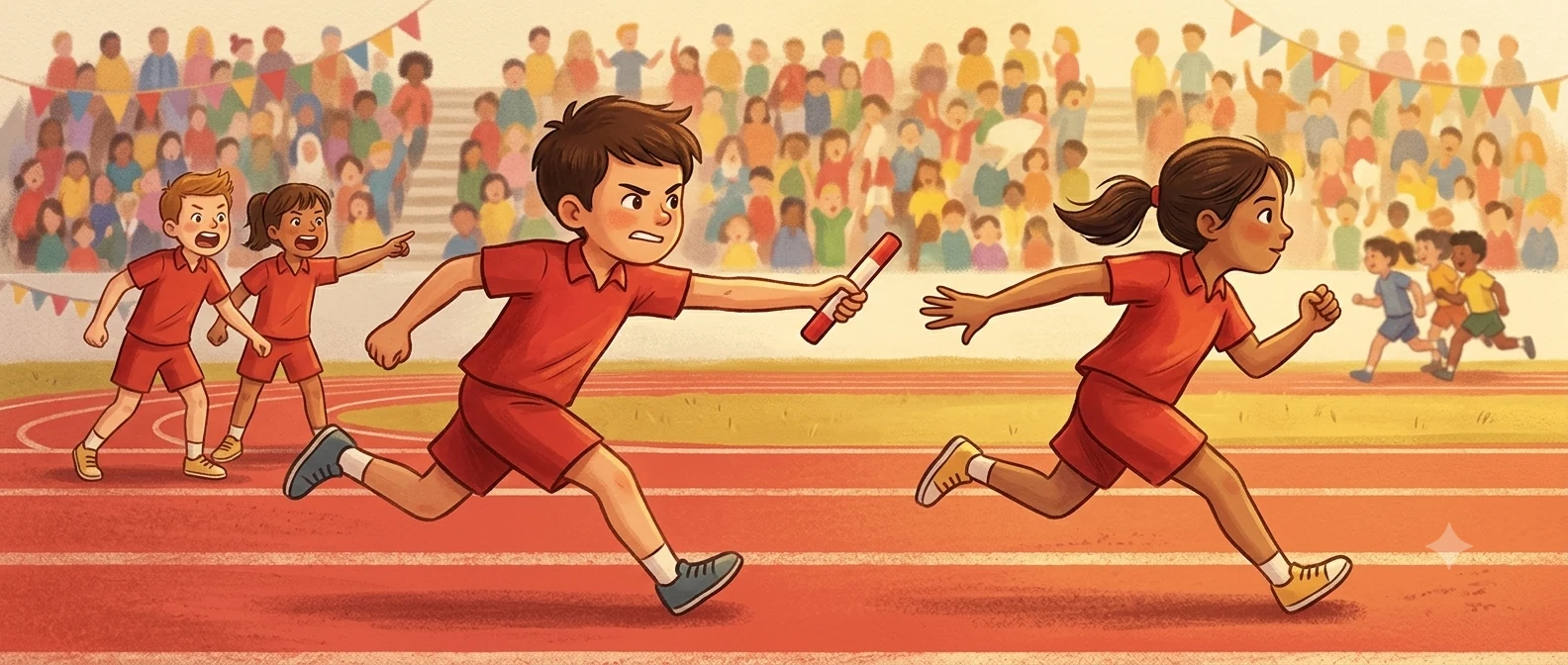
The relay team has three fast runners and Tanmay. Everyone knows the maths. The question sports day forces is whether a team is a sum — or something else.
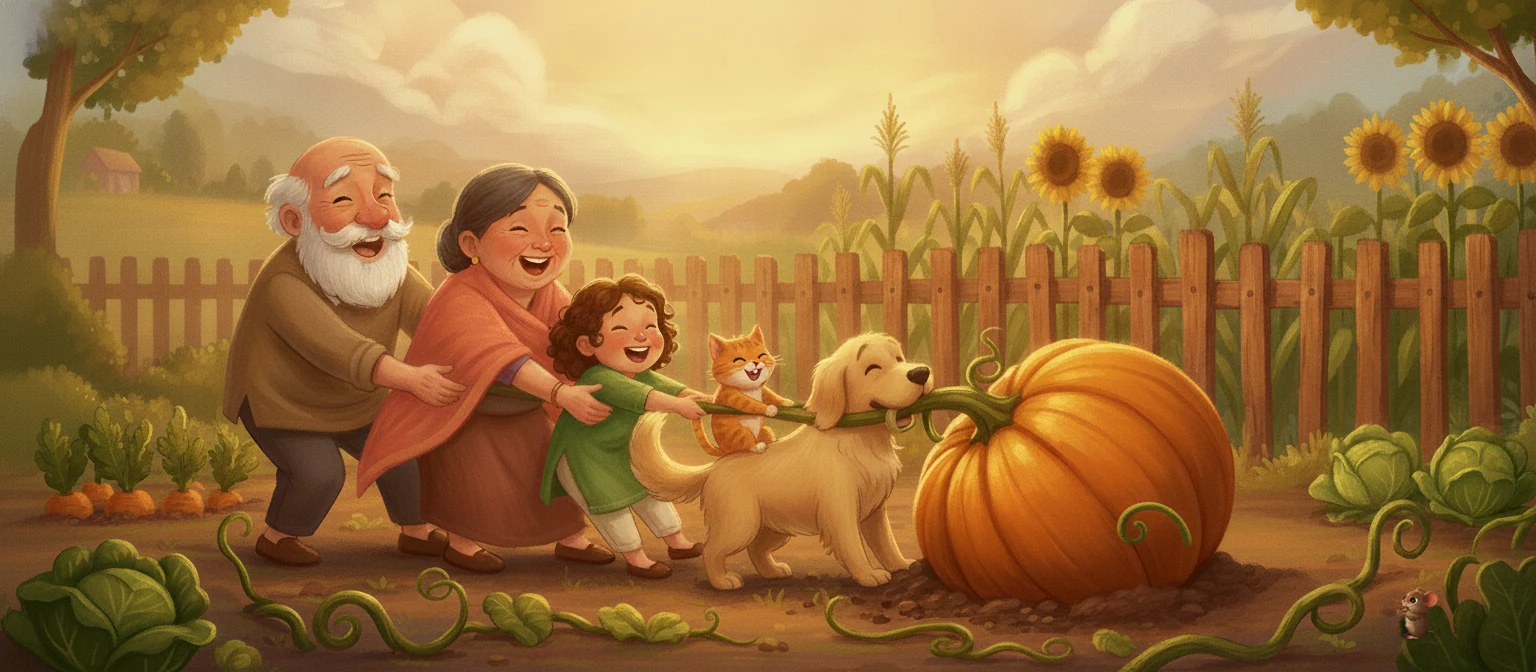
Dada's pumpkin has grown too big to pull. Our retelling of the beloved cumulative folk tale — everyone pulls, right down to the littlest mouse.
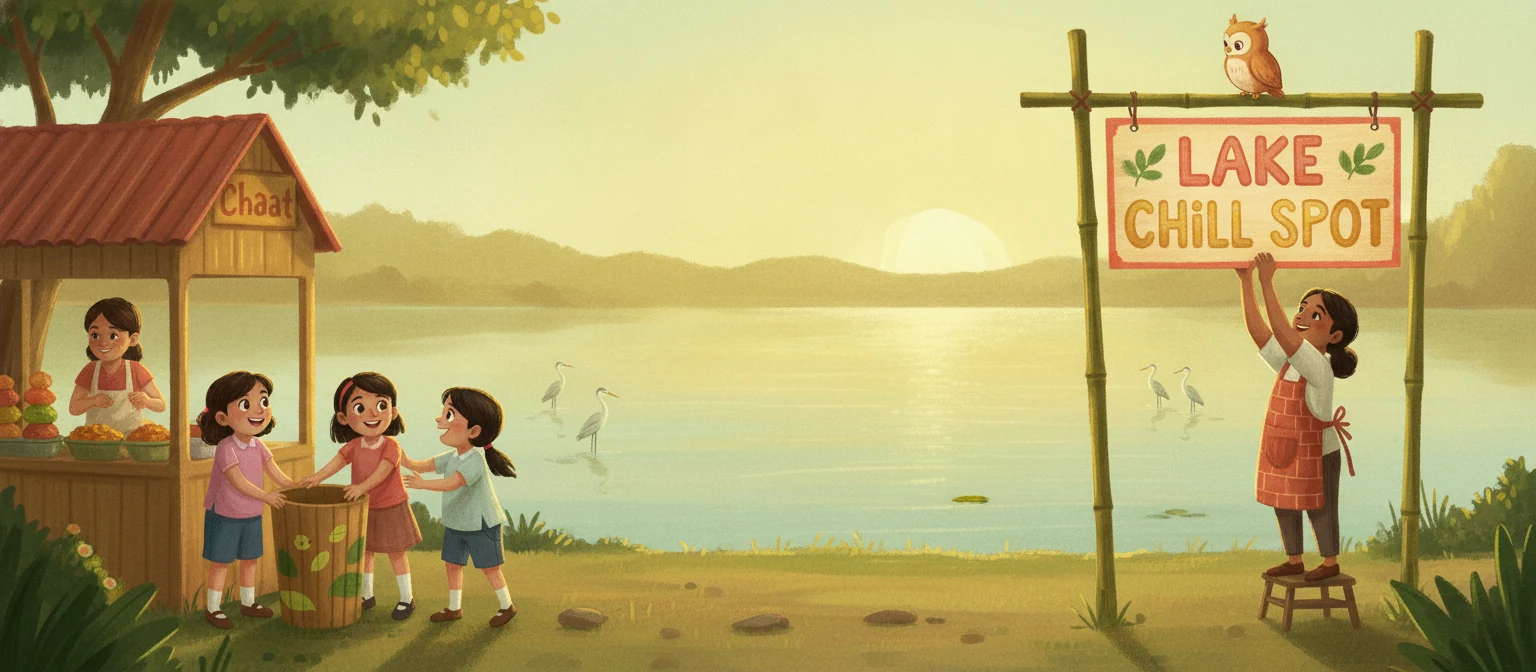
The cleanup drive collects forty bags of trash from the lake. Two weeks later, it's all back. Anika learns the difference between cleaning a problem and solving one.
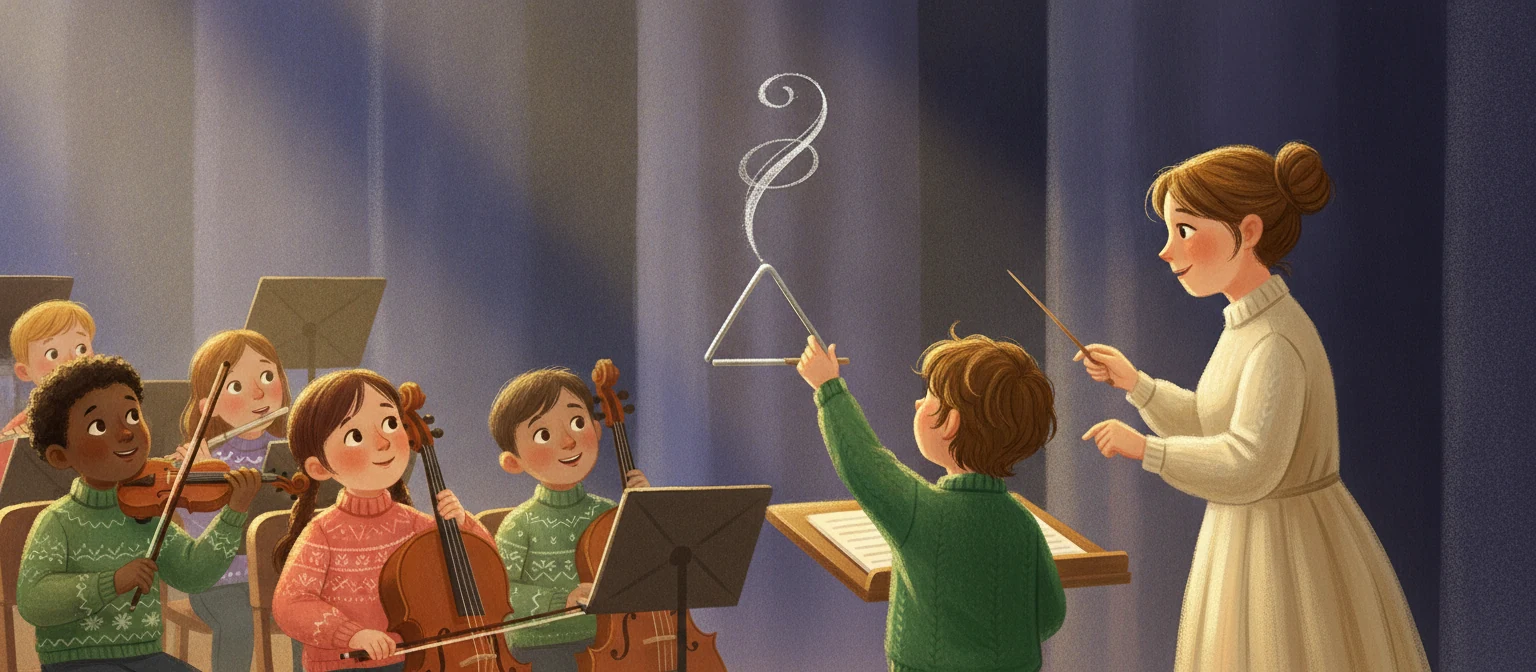
Omar wanted the drums. He got the triangle — one note, in the whole winter concert. One single ding. This is the story of bar forty-seven.
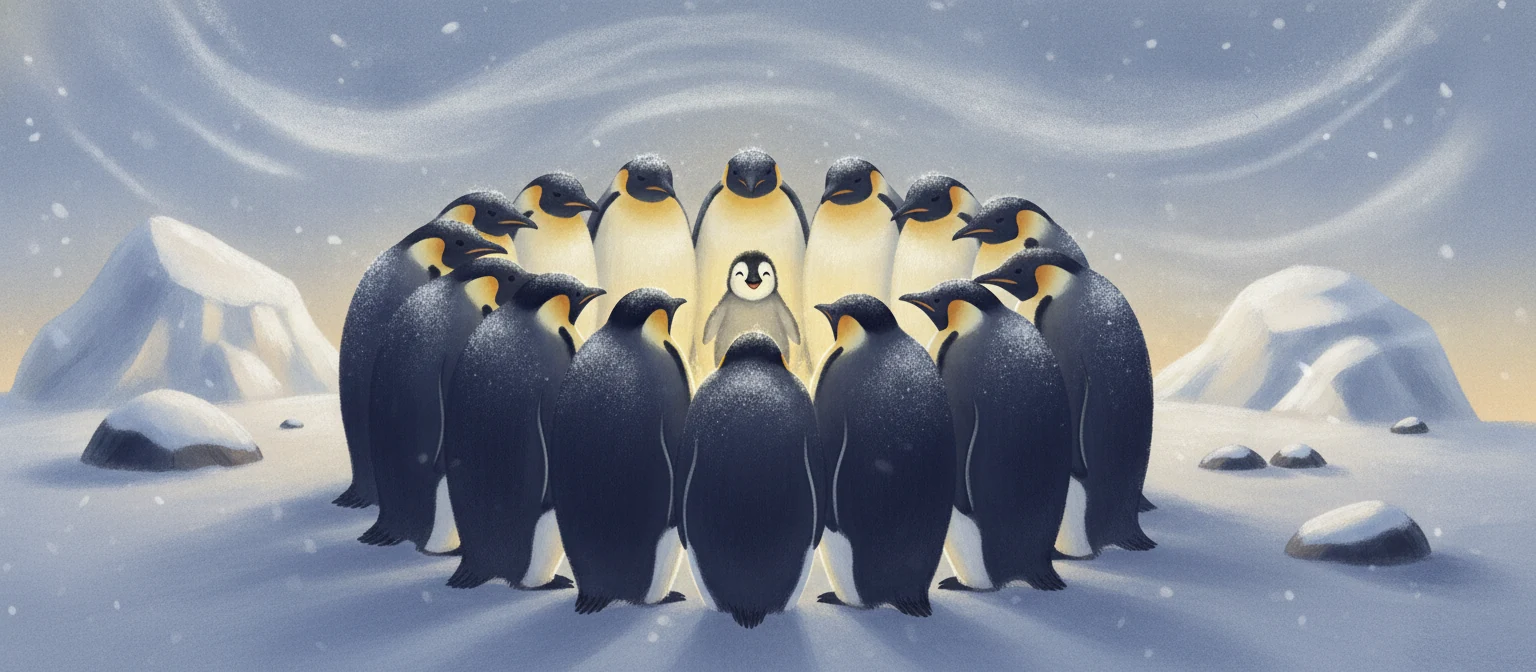
At the bottom of the world, where the wind is coldest, the penguins know a secret: the warm in the middle belongs to everyone — in turns.
Everybody wants to be Line Leader. Nobody wants Cupboard, because Cupboard is boring. But Cupboard comes with something nobody had noticed.
Same skill, different classrooms — cousins, playdates, group games, school projects, and the everyday team of the household itself, where a child can hold real responsibility for a shared outcome (they own the napkins; dinner is a joint production). Stories add the felt sense of it: being inside a we that achieves something no I could.
Especially for them — not to squash the drive, but to widen it. Good teamwork stories show captains who listen, stars who pass, and the specific pleasure of a group victory that no solo win matches. The competitive child usually doesn't need less fire; they need a bigger fireplace.
The physical kind: we carried the big basket together, we each held one side, you stirred and I poured. For ages 0–3 the stories keep it just that concrete — simple joint efforts with visible results and a rhythm of "together we…" Repetition does the teaching; the abstractions can wait years.