Standing Up for Others
First Pick
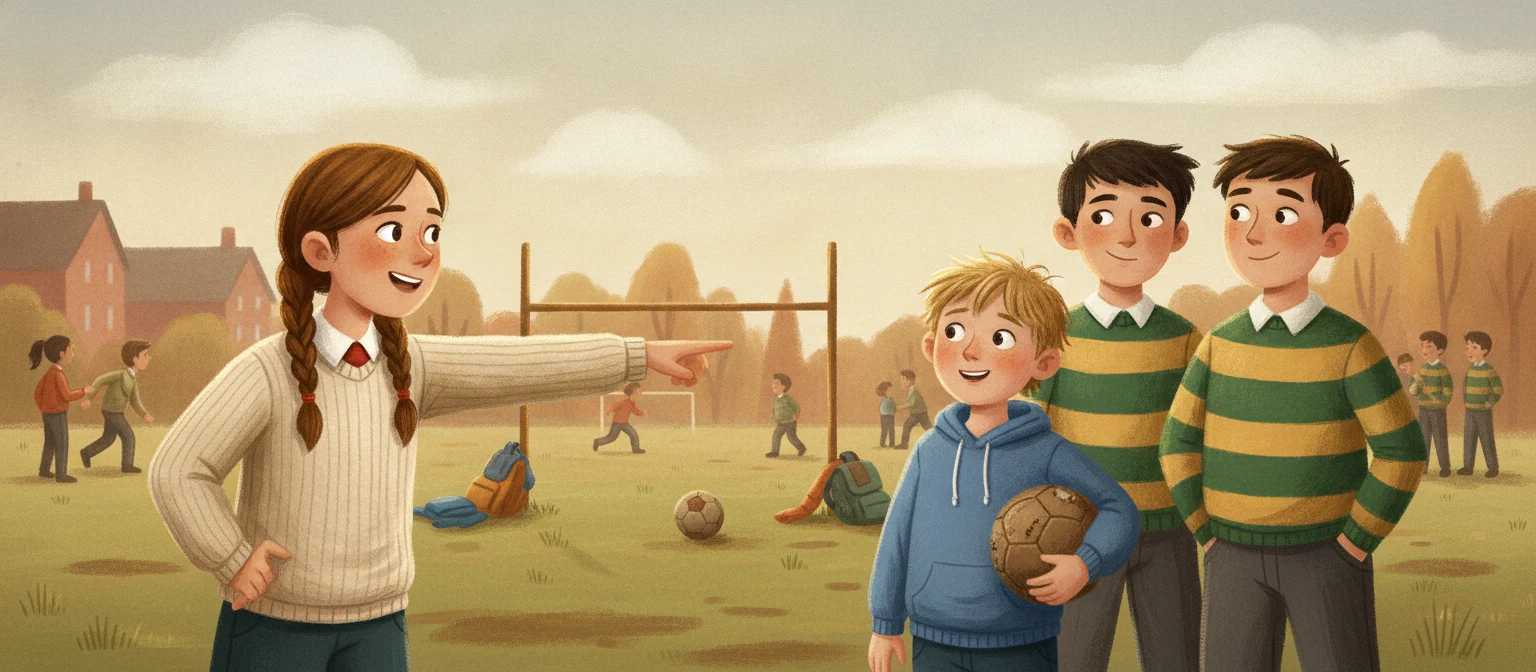
Every lunchtime, the same ritual: captains pick teams, and Oliver is picked last. Always. Then Maya wins the coin toss and does something nobody's ever done.
Of all the braveries we hope for in our children, this one asks the most: standing up for someone else means spending your own social safety on another person's behalf, usually in front of an audience, usually with no time to think. Almost every child freezes in that moment — not from unkindness but from not knowing what standing up even looks like. It needs a script, and scripts are what stories are made of.
The characters here find small, doable braveries — the "she can sit with us," the walking over to stand beside someone, the telling of a trusted adult even when a voice says that's snitching (it isn't; there's a story about exactly that). No capes, no speeches: just children and creatures discovering that one ally changes everything for the person alone. The Talk About It prompts rehearse the moment before it's ever needed. Practised at bedtime, the words are simply there when the playground calls for them.
Every lunchtime, the same ritual: captains pick teams, and Oliver is picked last. Always. Then Maya wins the coin toss and does something nobody's ever done.

It started as a joke about Sami's voice, and now the whole class calls him Squeaky. 'It's just a nickname,' everyone says. His sister sees it differently.
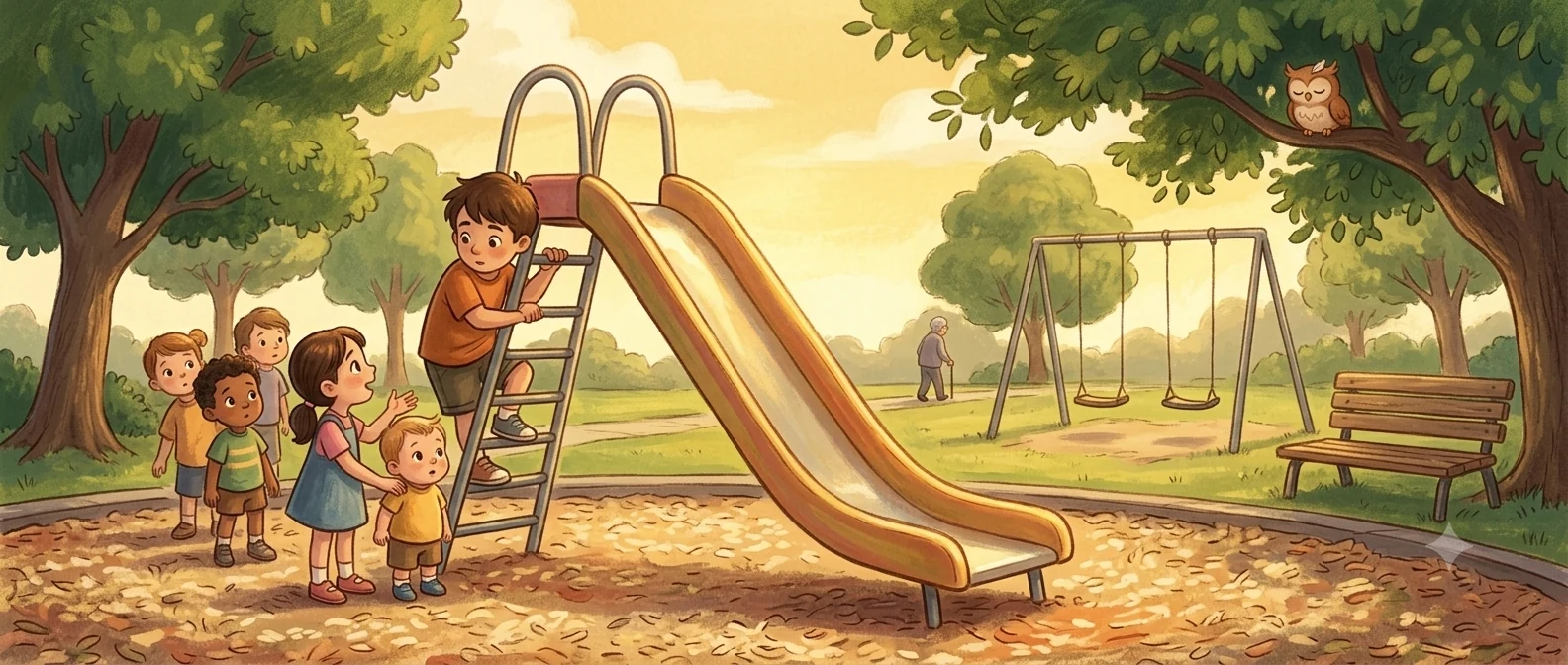
Every time little Golu reaches the front of the slide line, somebody pushes in. Everyone sees it. Anya is the one who says something — three small words.
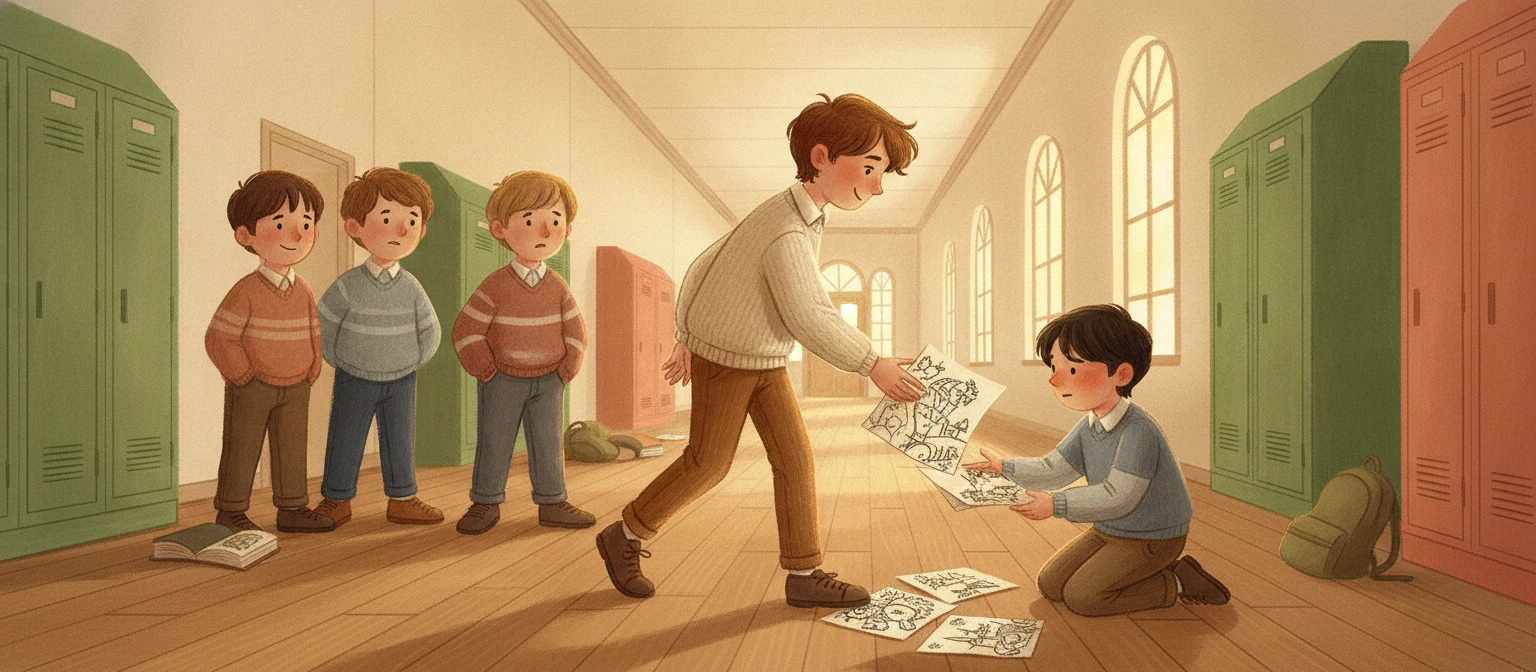
Zain doesn't even like Pranav — nobody really does. Which is exactly what makes the moment in the corridor so complicated.
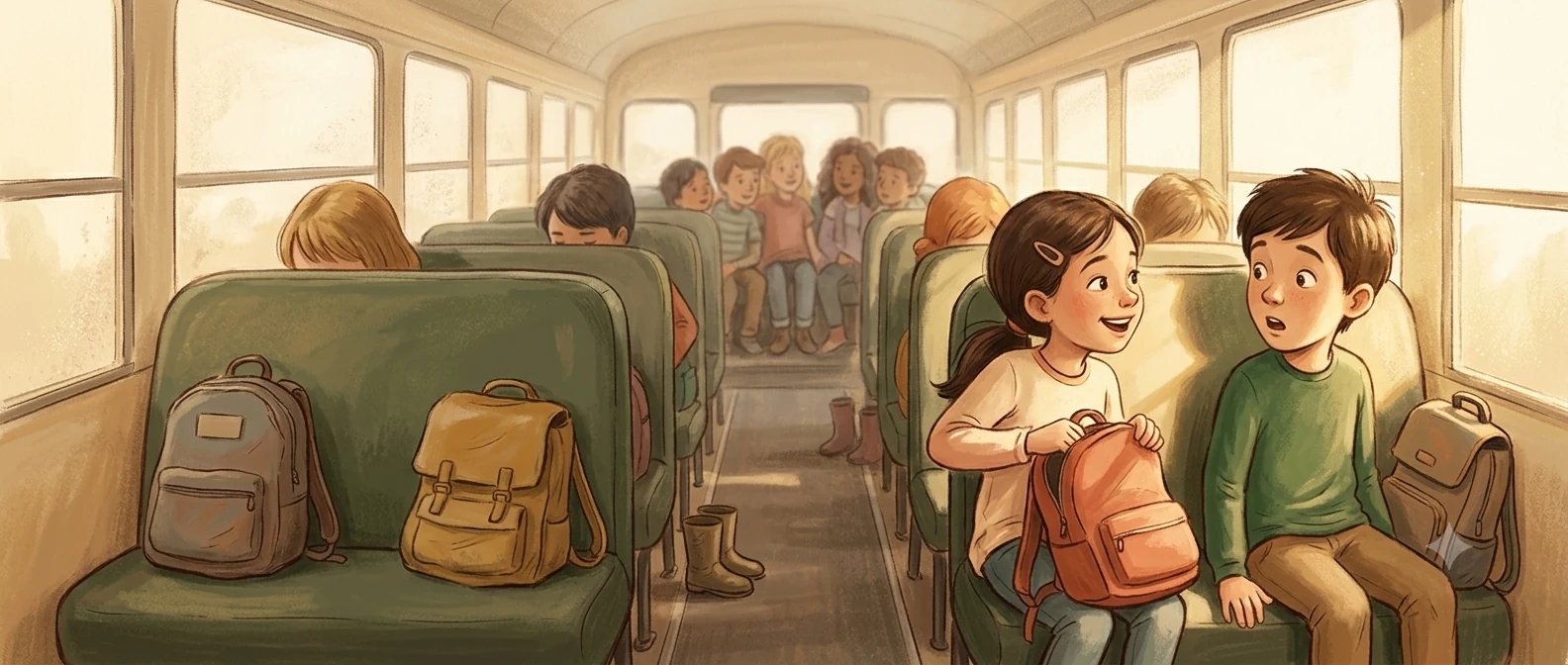
Diya laughed at the joke about Sameer's stammer. Only once, only a little — but she heard herself do it. This is a story about the seat nobody wants to change.
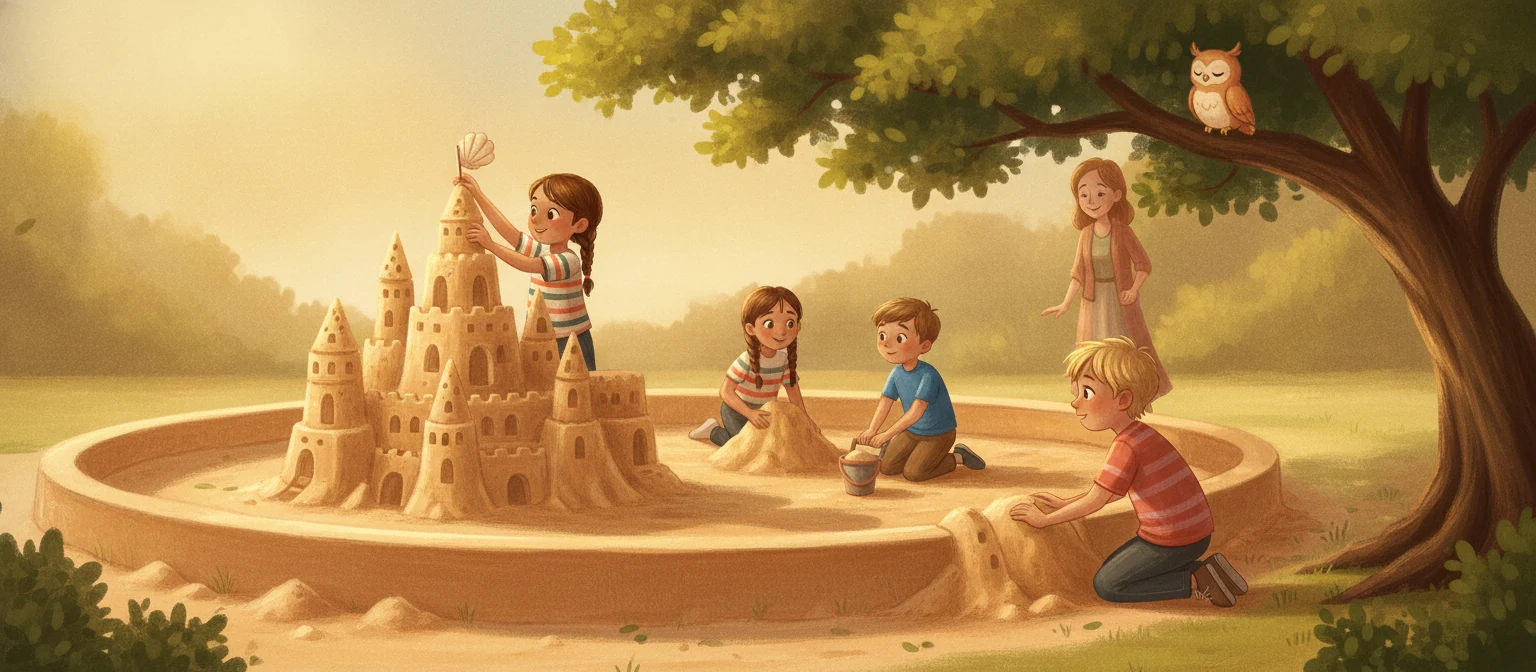
Every time Mia builds a sandcastle, the same big boy stomps it flat. She tries hiding, she tries building faster — until Omar teaches her the two things that actually work.
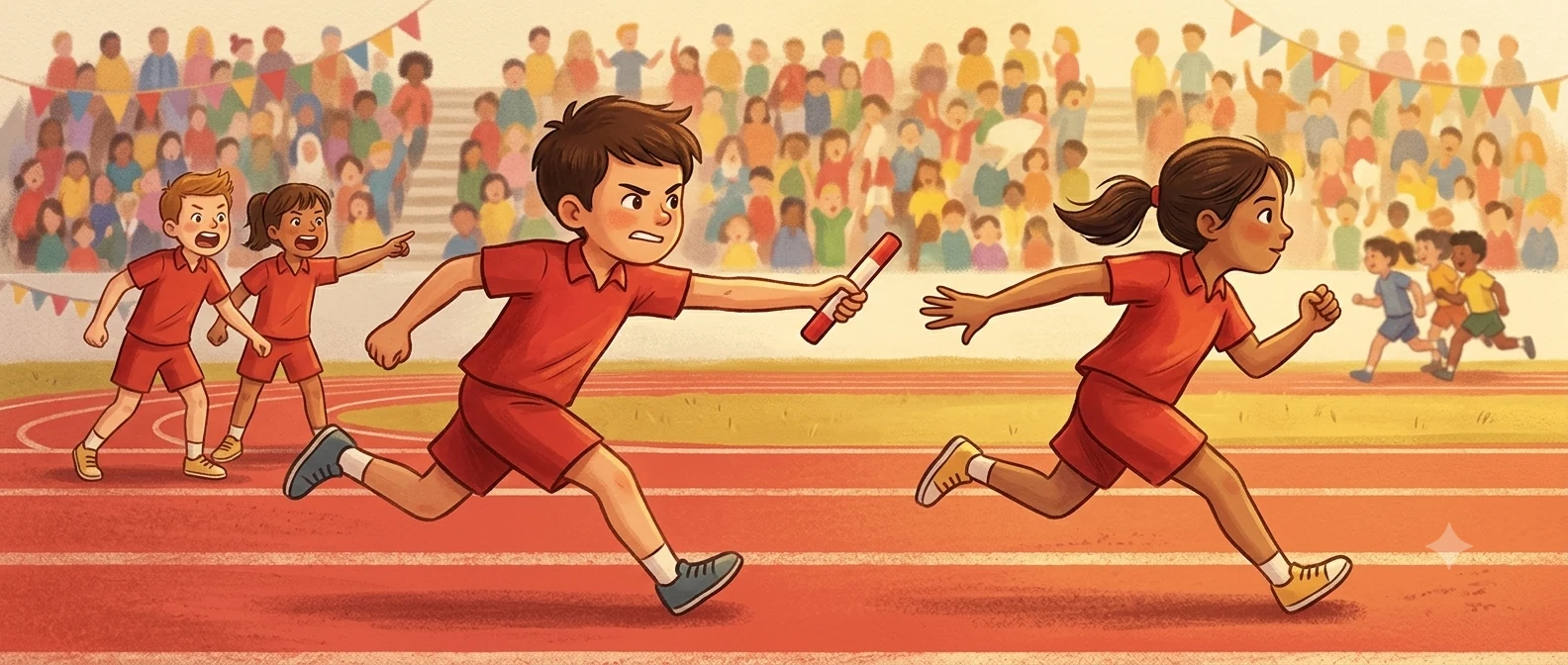
The relay team has three fast runners and Tanmay. Everyone knows the maths. The question sports day forces is whether a team is a sum — or something else.
Give them a menu, not a mandate — different moments call for different braveries. Safe options to rehearse: stand next to the person, invite them away ("come play with us"), say one calm sentence ("that's not funny"), and always: tell a trusted adult. Direct confrontation isn't required to be an ally; presence and reporting do most of the real work.
A distinction worth teaching explicitly: tattling tries to get someone into trouble; telling tries to get someone out of it. Children fear the "snitch" label intensely, and it silences them. Naming the difference out loud — and reading stories where telling is shown as the brave move — gives your child permission the playground won't.
It's the normal starting point — bystander freeze happens to adults too. The remedy is rehearsal: a child who has imagined the moment through a story, talked through what they might say, and practised one small line is far more likely to unfreeze. That's exactly what the Talk About It questions after these stories are built to do.