Your Child Lied Today. Here's the Story for Tonight (and 3 Questions to Ask After)
Somewhere between breakfast and bedtime, it happened. The pieces don’t quite add up, the story has a suspicious shine to it, and you’re now standing in the kitchen holding a lie roughly the size of a biscuit.
Here’s the uncomfortable truth about the lecture you’re tempted to give: your child already knows lying is wrong. That information is fully installed. The lecture delivers nothing new — it just teaches them that getting caught is loud, which is a lesson about your volume, not about honesty.
What a child actually needs after a lie is a safe way to think about it from the outside — at one remove, where it isn’t their lie under the light. Which is precisely what a story is for.
Tonight’s story: “The Extra Coin”
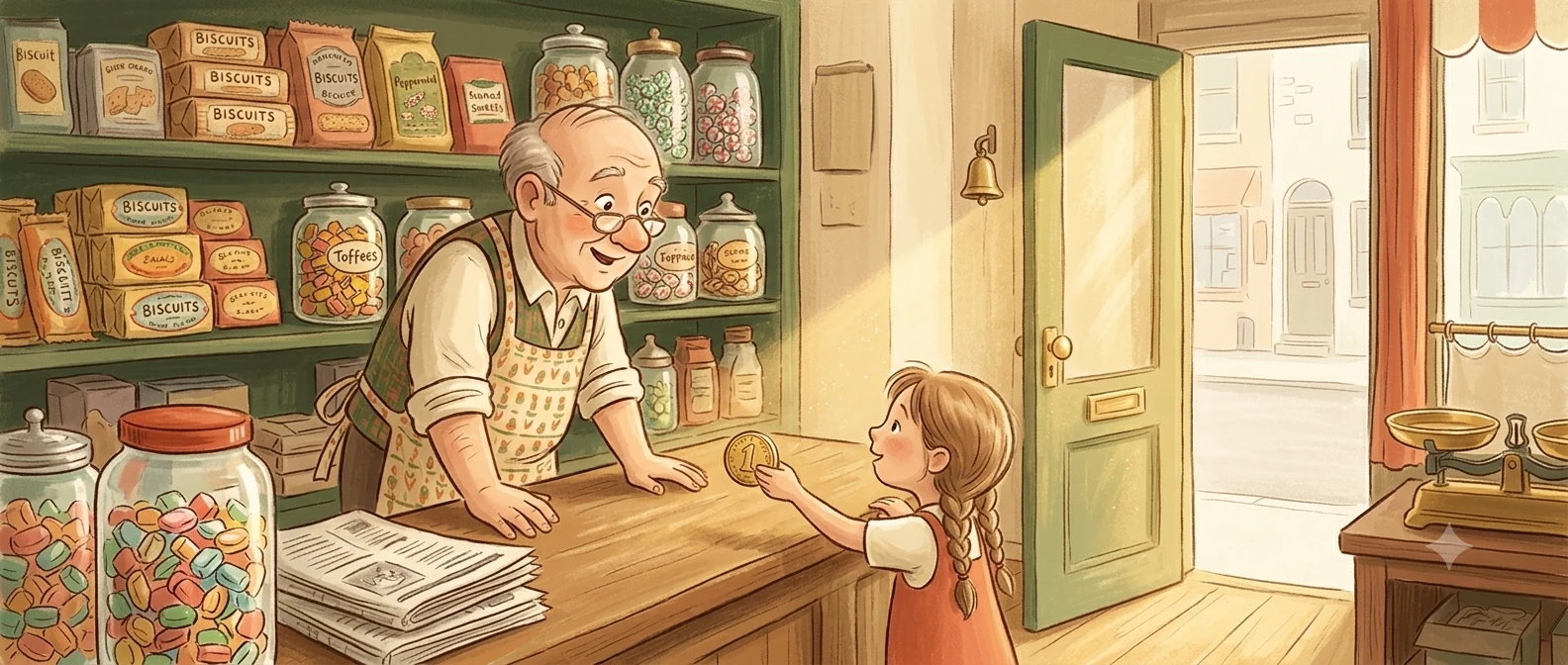
The Extra Coin (ages 7–9, 6 minutes) isn’t about getting caught, and that’s the point. Aanya buys her grandfather’s biscuits at the corner shop, and in the Sunday-morning chaos the shopkeeper hands back one ten-rupee coin too many. Nobody saw. There’s no register, no receipt, no possible way anyone would ever know.
So there’s no punishment anywhere in this story — only the strange discovery Aanya makes on the walk home: the coin weighs more than the other coins. Not really, of course. But it sits in her pocket the way a pebble sits in a shoe, through dinner, through homework, until Monday morning when she walks back and puts it on the counter.
What she gets back is worth more than ten rupees — and the story lets your child work out exactly what, rather than saying it out loud.
The three questions, for after (the story ends with these — pick one and see where it goes):
- Nobody would have found out about the coin. So why do you think it felt heavy to Aanya?
- What did Aanya get back that was worth more than ten rupees?
- Has something small ever bothered you until you fixed it?
That third one is where tonight’s lie tends to surface on its own — sideways, half-admitted, in your child’s own words. That confession is worth more than any extracted apology, because nobody extracted it.
The right story depends on the lie
Not every lie is the same lie, and the library covers the spread:
- The Star That Wasn’t Mine (ages 4–6, 4 min) — for taking credit that belonged to someone else. Mina gets a star meant for Nina, and nobody notices but her.
- The Boy Who Called the Wolf (ages 4–6, 5 min) — the Aesop classic retold in original prose, for the child whose “jokes” have started costing them belief. The retelling’s real subject isn’t the wolf; it’s how slowly trust comes back.
- Finders Keepers (ages 7–9, 6 min) — for the grey zone. “Finders keepers” feels completely fair to Theo, right up until he sees the loser.
- The Signature (ages 10–12, 8 min) — for the older child, and the bigger lie. Forging Ma’s signature took Anvi eleven tries and four minutes; maintaining it took everything else. This one understands what preteens actually know: the hard part of a lie isn’t telling it, it’s feeding it.
Why the story beats the lecture
Every NestOfValues story ends with a Talk About It block — open questions, never a moral read aloud. A lecture asks a child to defend themselves; a question about Aanya lets them think about honesty with nothing at stake. They’ll connect it to today’s lie themselves. Kids always do. They just won’t do it while being talked at.
The full honesty collection is free, sorted by age, no login — for tonight, and for the next biscuit-sized lie.