Kindness
One Red Mitten
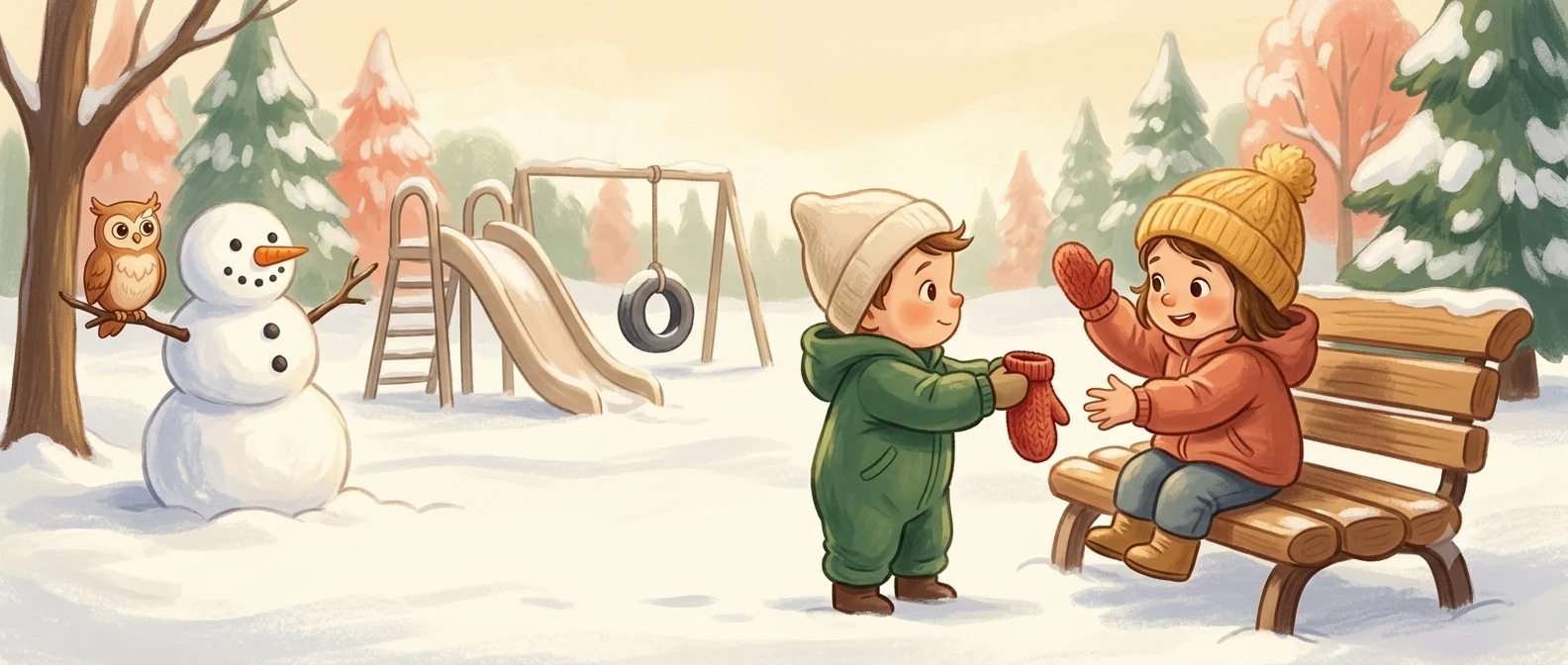
Somebody dropped a little red mitten in the snowy park — and somebody else's hand must be very cold. Milo is on the case.
Told as a rule, kindness shrinks into politeness — say please, share the toy, don't push. But the kindness parents actually hope for is bigger than manners: noticing someone, and doing a small thing that costs you a little. The best way to show a child what that looks like is to let them watch one small act travel — through a story where a shared roti, a held gate, or a kept-secret kindness comes back around in ways nobody planned.
That "coming back around" is the oldest plot in the world's folktales, and it's well represented here, alongside new stories set in playgrounds and apartment stairwells your child will recognise. None of them announce their lesson. Each simply ends with a short Talk About It prompt, so your child can find the kindness in the story — and maybe one from their own day — themselves. Small is the point; small is what a child can do tomorrow.
Somebody dropped a little red mitten in the snowy park — and somebody else's hand must be very cold. Milo is on the case.
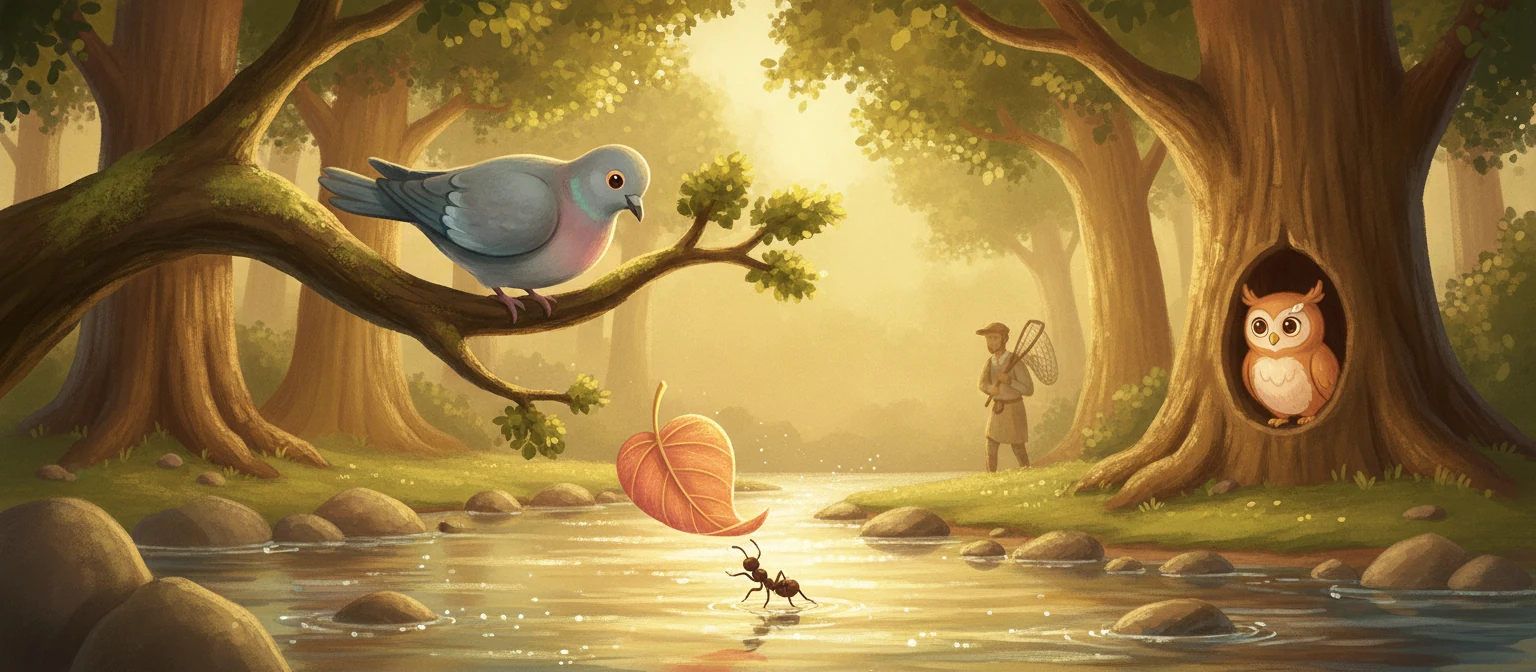
A dove saves a drowning ant with one leaf — a kindness so small she forgets it by evening. The ant doesn't. Our retelling of Aesop's quiet classic.
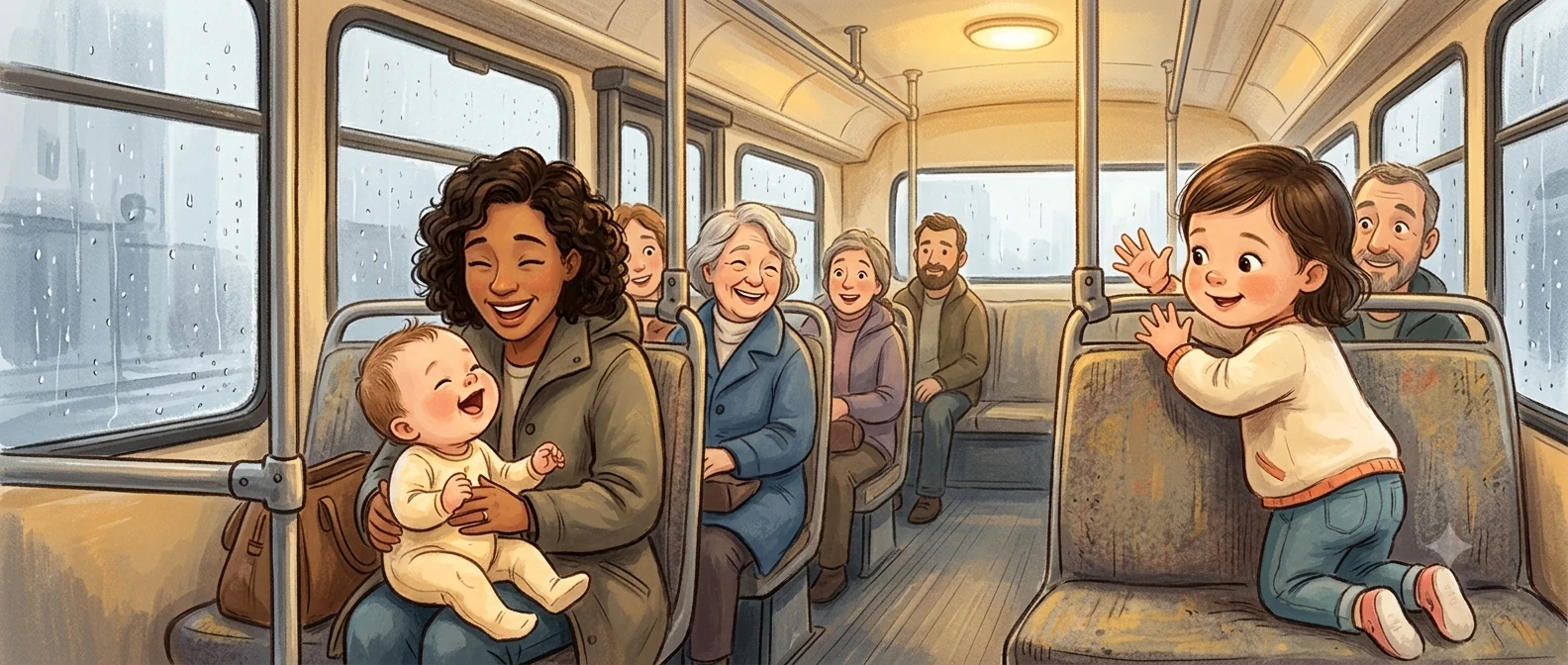
A baby on the bus is crying and crying, and all the big people look away. But Nia is small — and small people know what crying needs.
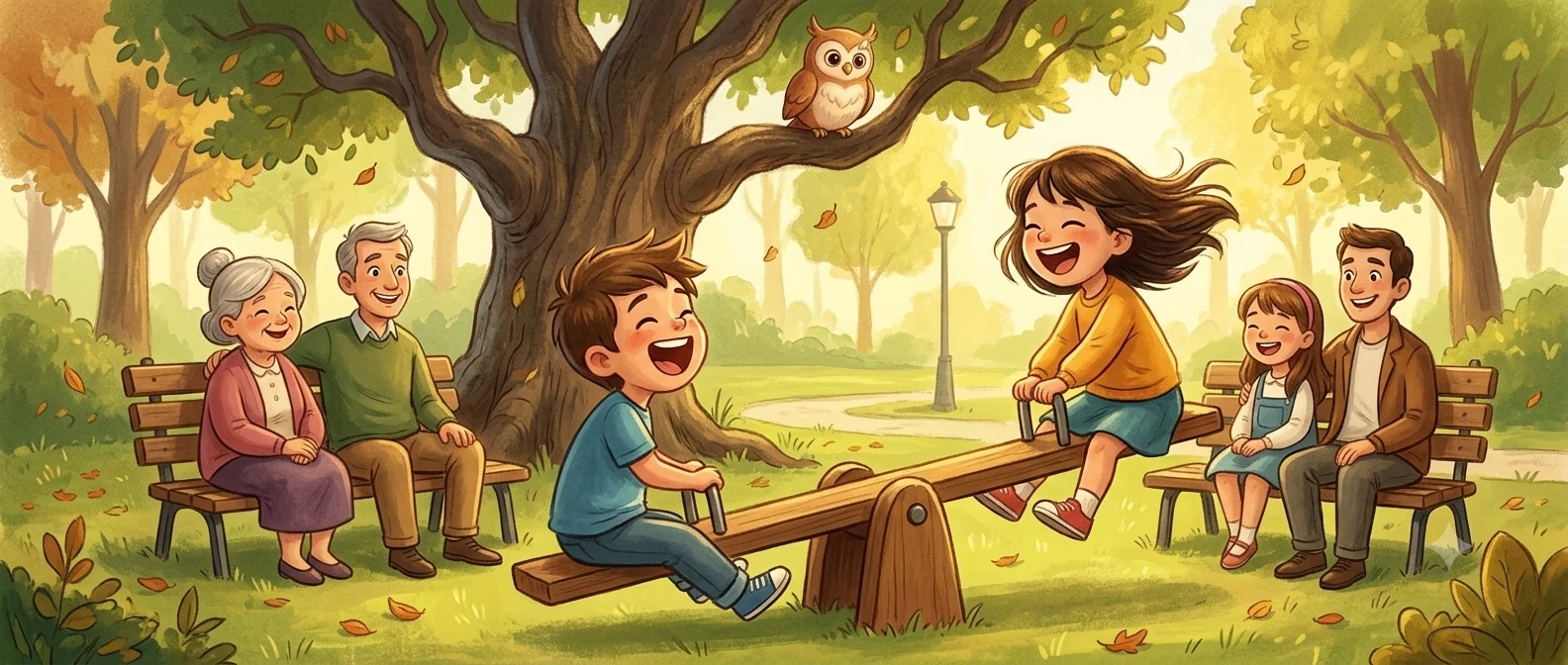
The new girl at the park doesn't speak any words Theo knows. But swings don't need words. Neither does tag. Neither, it turns out, does most of the good stuff.
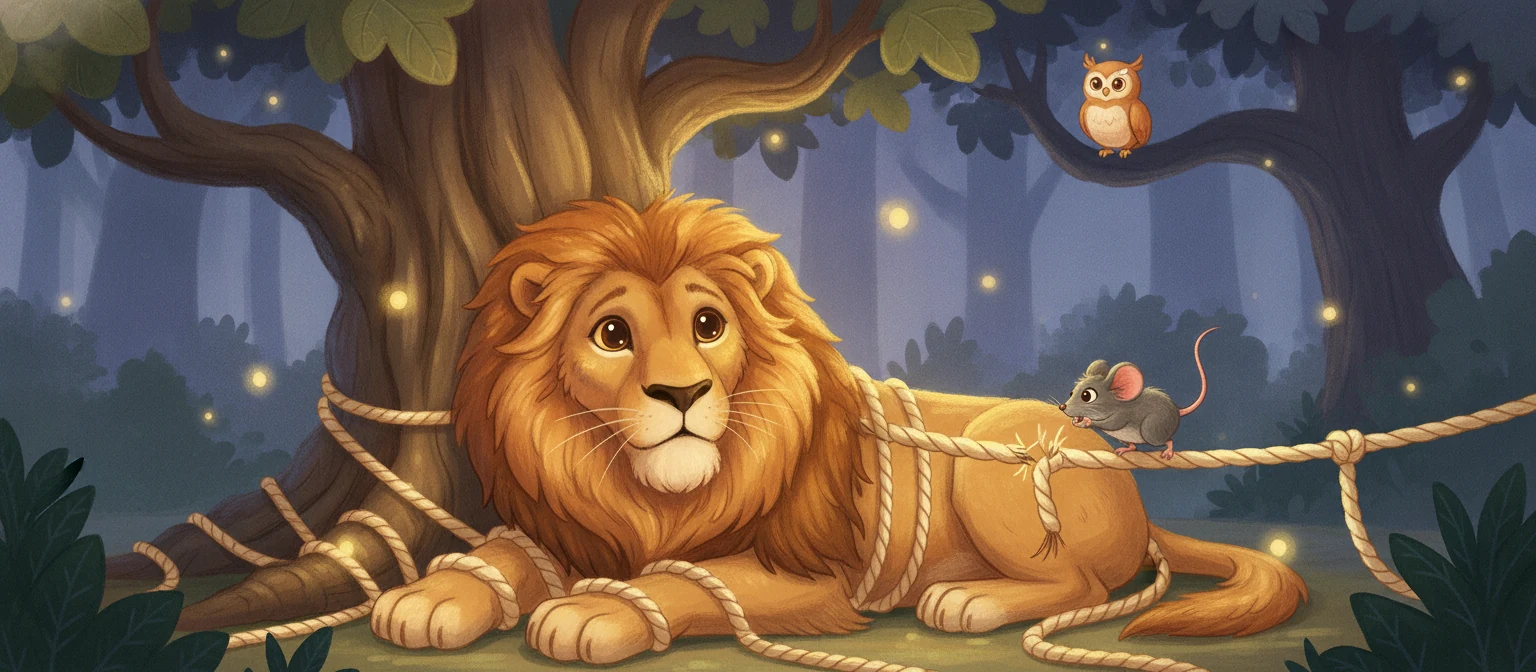
A mouse promises the king of the jungle that one day she'll return his kindness. The lion laughs. Our retelling of the world's favourite little-helper fable.
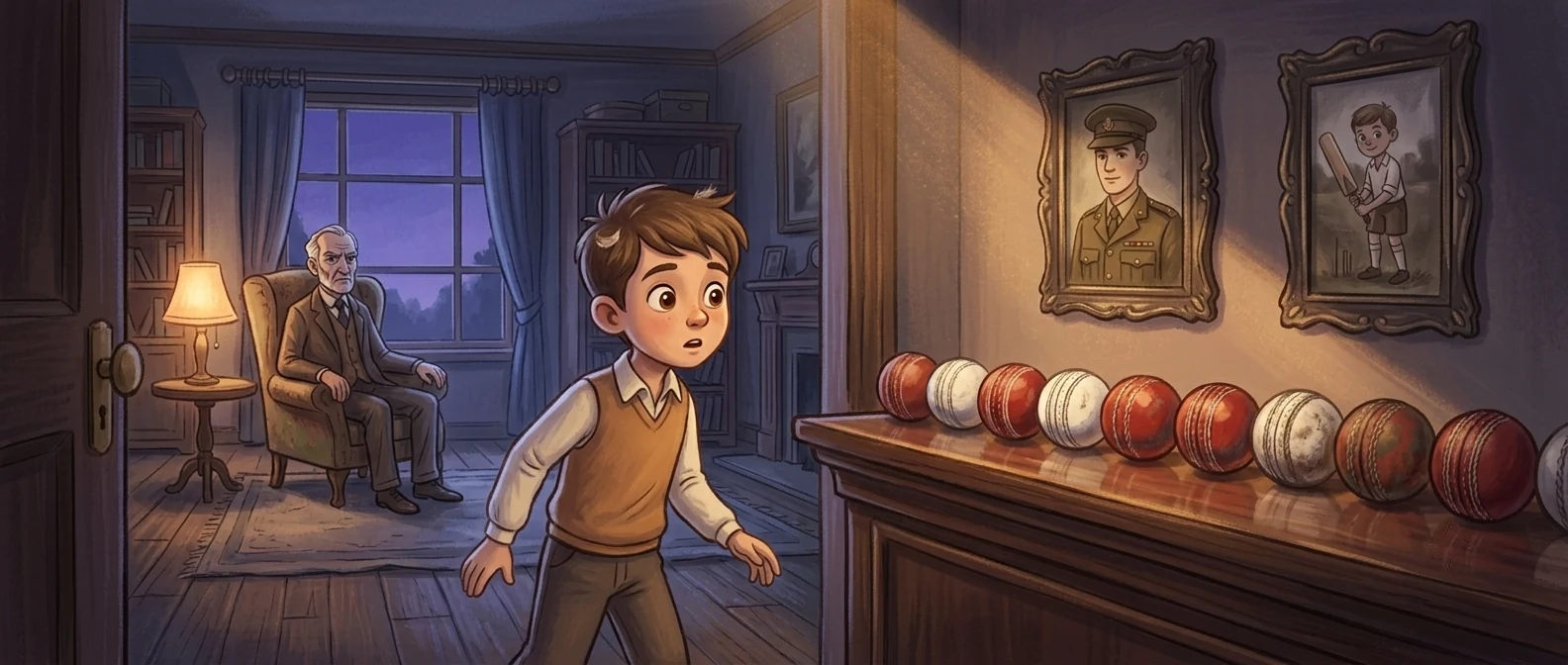
Colonel Uncle confiscated every ball that crossed his wall — eleven this season. Then Dev got sent to his door, and saw the shelf.
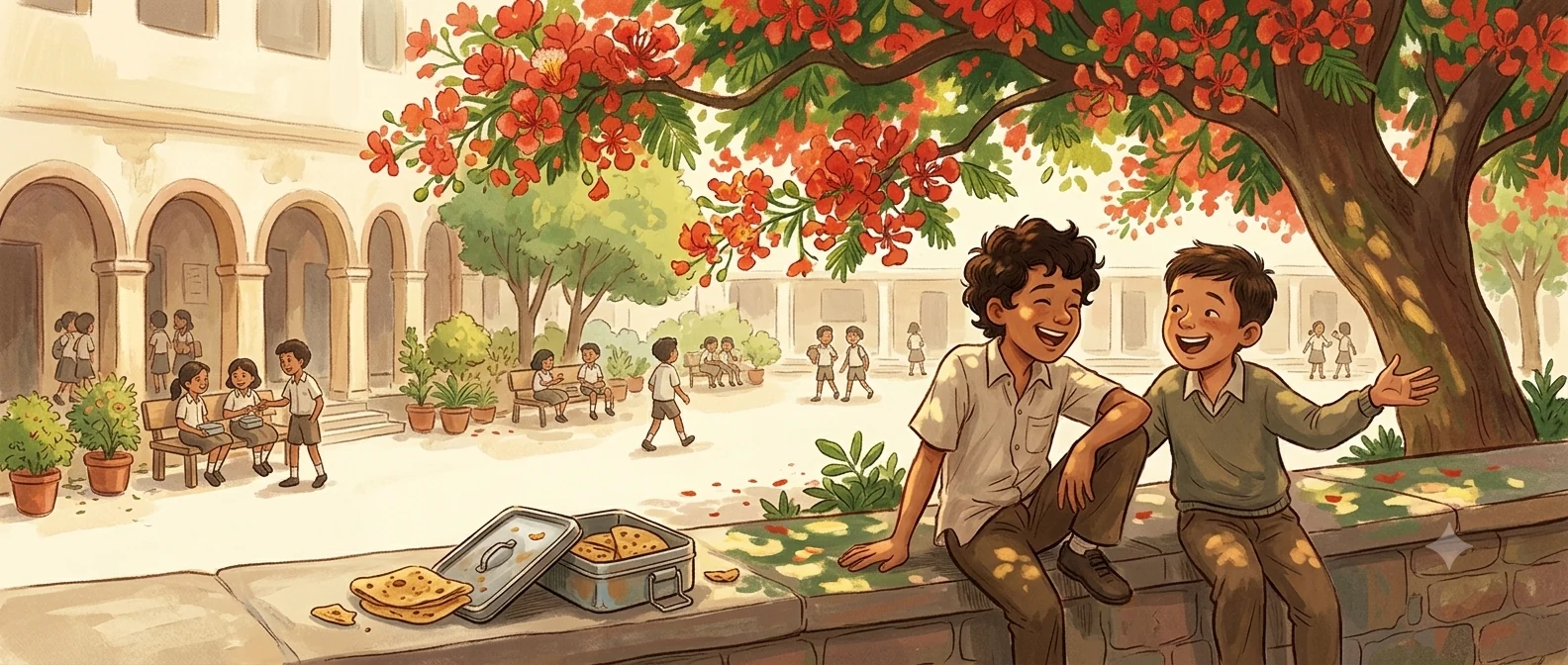
Yash notices that Farhan never eats lunch. His first attempt to help goes so wrong that it takes a week — and his grandmother — to understand why.
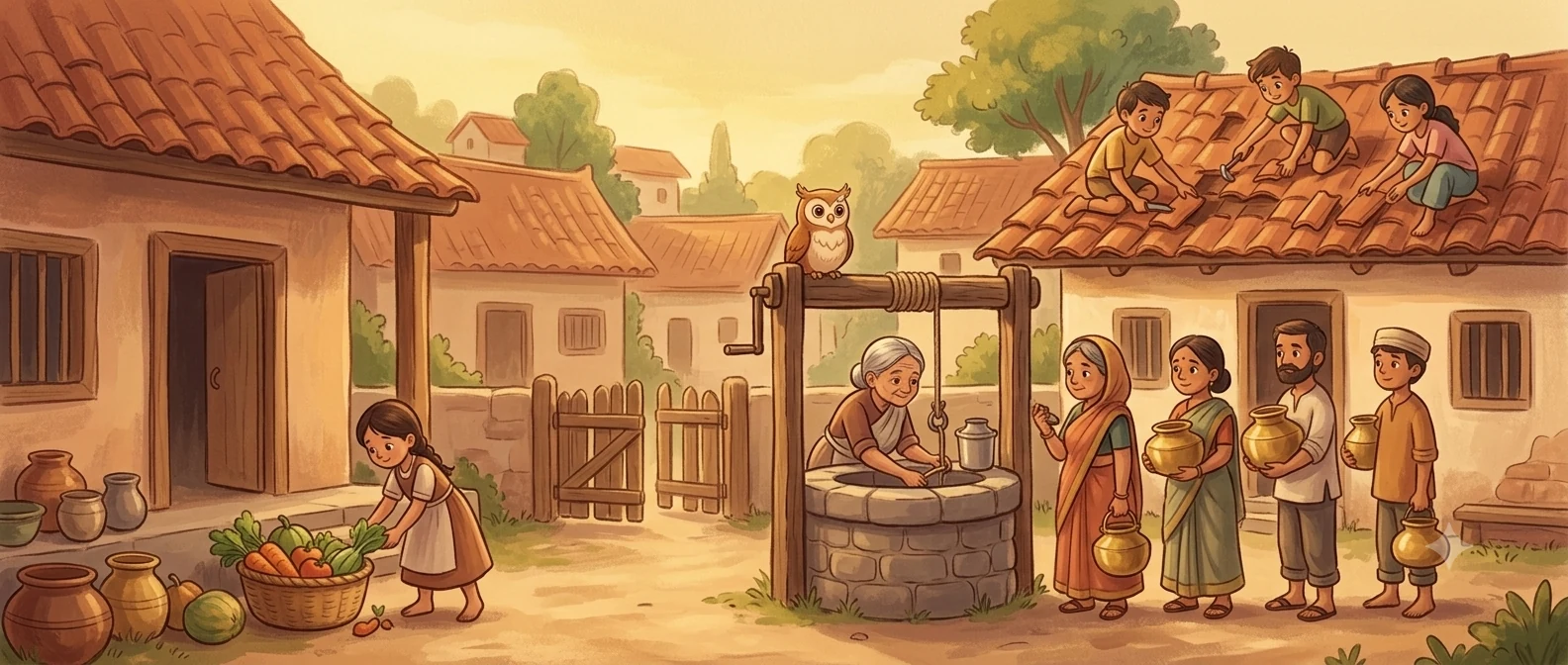
Amma's well is the only one still giving water — and a long, hot line is forming at the gate. One small kindness travels further than anyone expects.
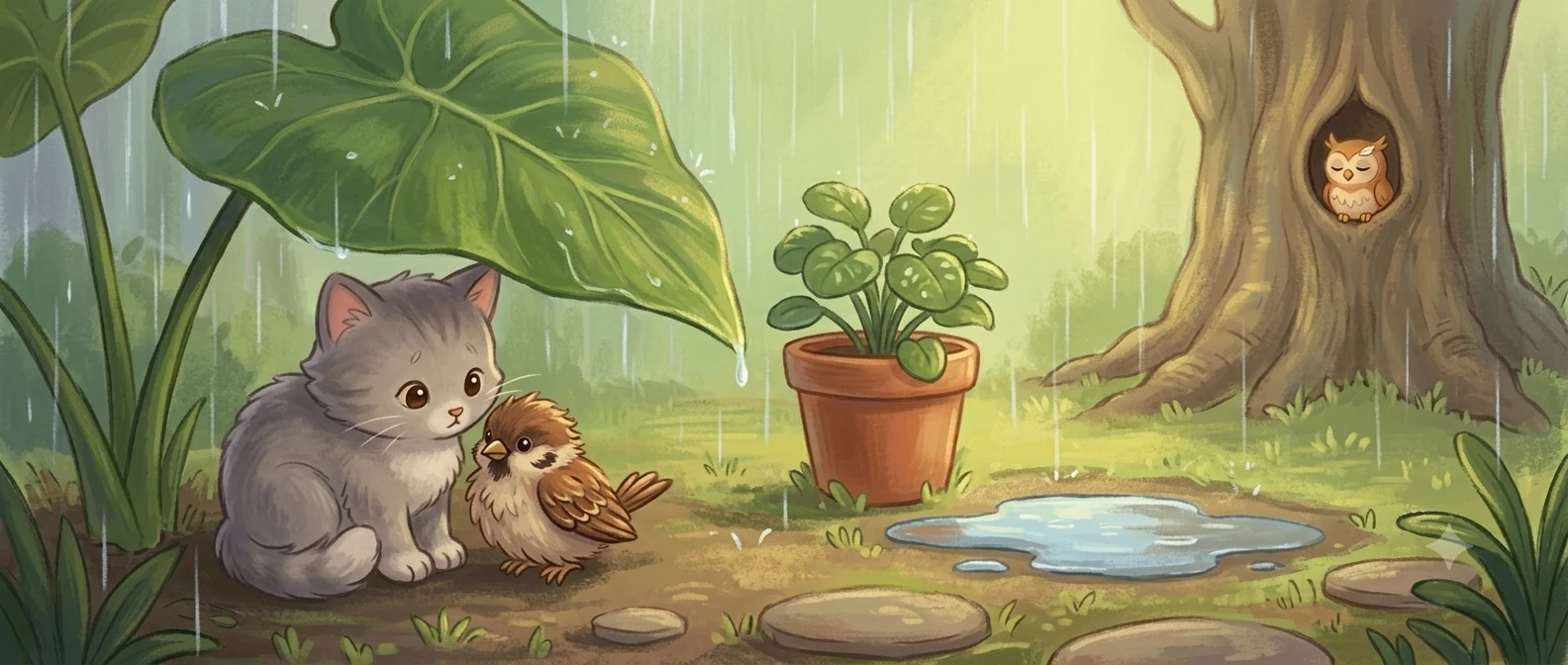
Rain, rain, rain — and one small sparrow with nowhere dry to sit. Luckily, Mili the kitten knows the warmest spot in the garden.
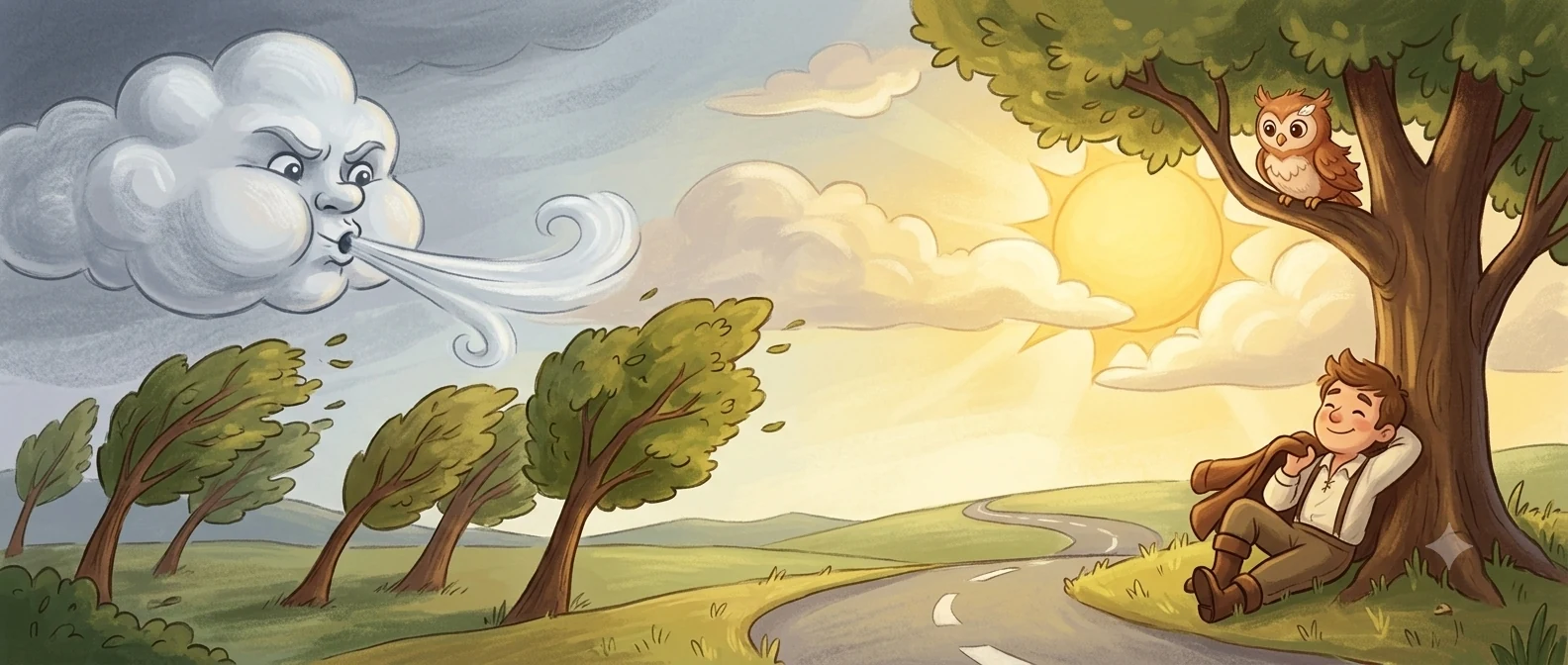
The Wind and the Sun make a bet: who can get the traveller's coat off first? Our retelling of Aesop's quietest, wisest contest.
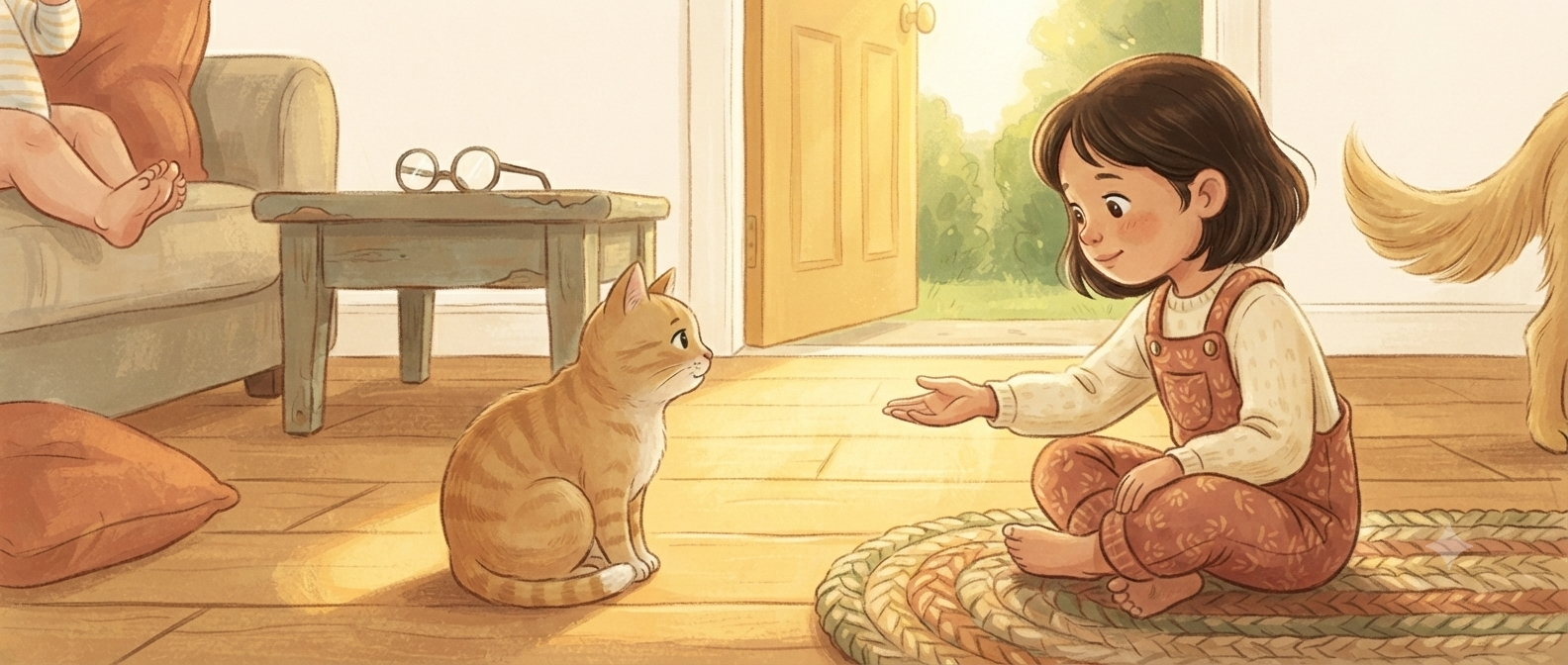
Nila's hand wants to touch everything — the dog, the baby's foot, Nani's glasses, the cat. So Nila's hand learns to ask first. Some say yes. The cat says something else.
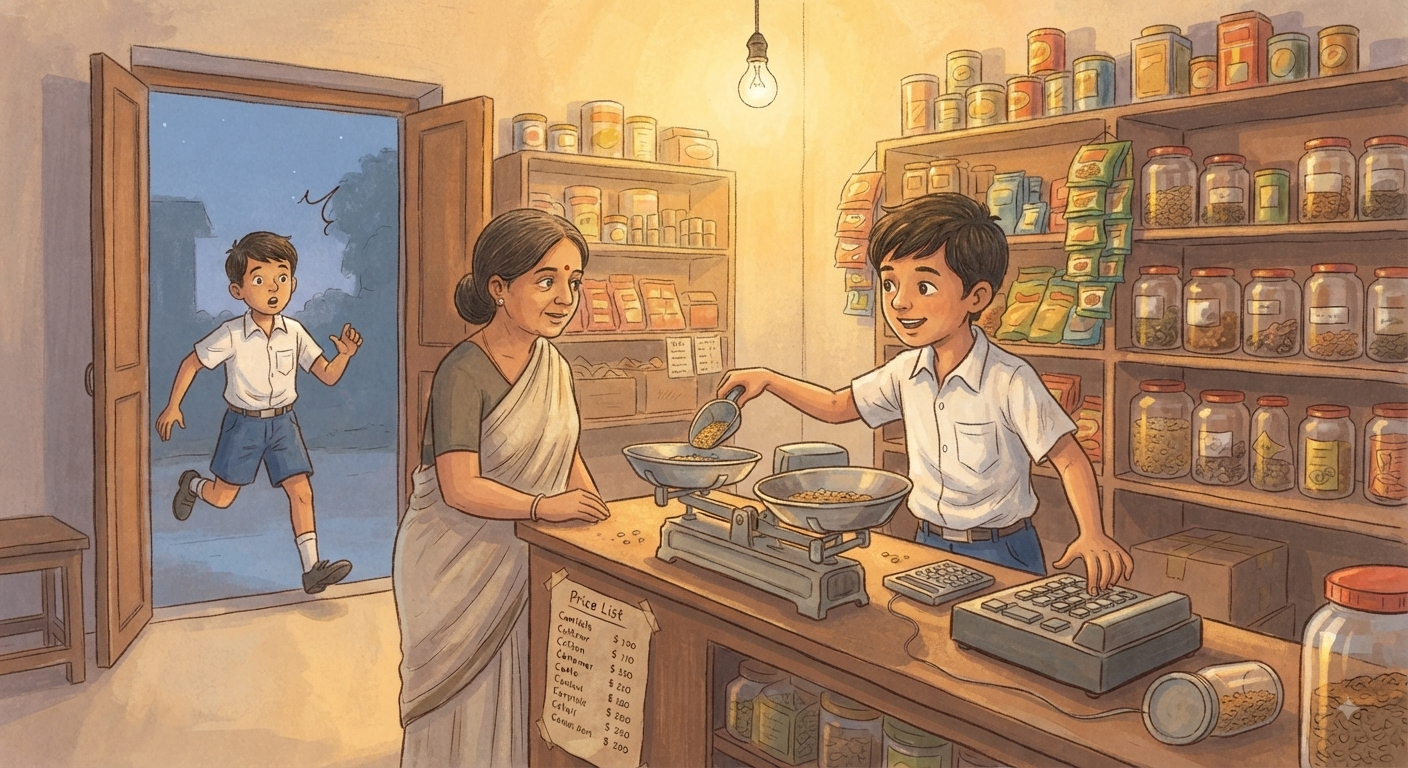
Every Wednesday, Mihir lends Rohan the good colour pencils, and Rohan is the funniest boy in the whole class. On every other day, Rohan rushes off without a word, and even gives up his seat next to Mihir on the school trip — until Mihir understands why.
Stories won't replace watching kindness at home — children copy what they see. But stories do two things a busy day can't: they slow a kind act down so a child can see how it worked and how it felt, and they let a child feel what it's like to be on the receiving end. That felt experience is what turns "be nice" from a rule into a want.
No — kindness is one of the earliest values children can feel, long before they can explain it. For ages 0–3, kindness stories are mostly warmth and rhythm: gentle characters helping each other in simple, repeated patterns. The reasoning comes years later; the feeling starts now.
A useful line: kindness is something you give, people-pleasing is something you trade for approval. Good kindness stories show characters who choose to help — and sometimes characters who kindly say no. If your child tends to over-give, pick stories where the kind character also keeps something for themselves, and use the Talk About It questions to explore the difference.