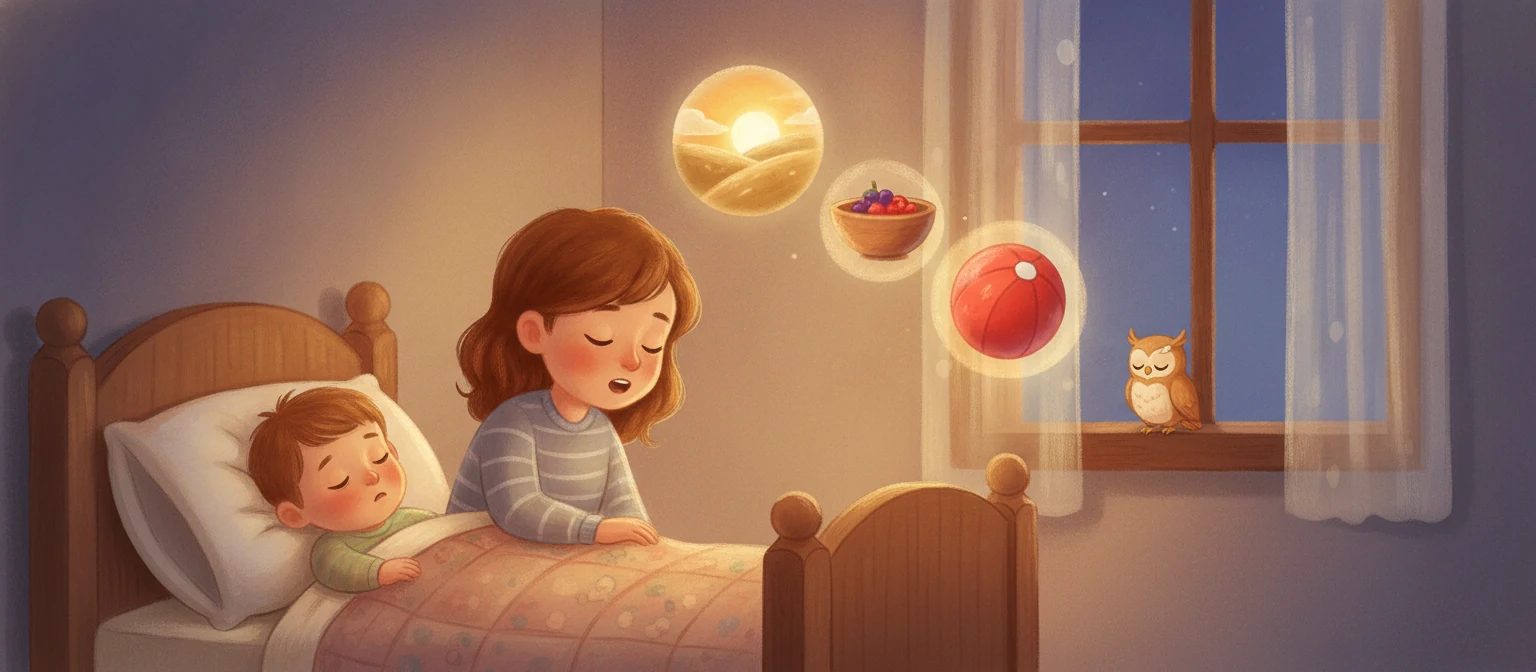
Gratitude
Thank You, Everything
Before sleep, one small walk through the day — saying thank you to everything that helped, from the sun to the dal to the softest pillow.
Every parent has prompted a "say thank you" and known, in that exact moment, that no gratitude was involved. That's because thankfulness isn't a phrase — it's a noticing. The grateful child isn't the one with the best manners; it's the one who has learned to see what was already good before anyone pointed at it. Stories teach that seeing, because a story can slow the world down: the cup of water after a long walk, the grandmother who stayed up sewing, the ordinary day that almost got lost.
Bedtime is honestly the perfect hour for this value — the day is finished, and a story about noticing good things naturally spills into noticing today's. Every story here ends with a short Talk About It prompt, and for this collection those questions double as the gentlest gratitude practice there is: what was the good thing today that almost went by unnoticed?
Before sleep, one small walk through the day — saying thank you to everything that helped, from the sun to the dal to the softest pillow.
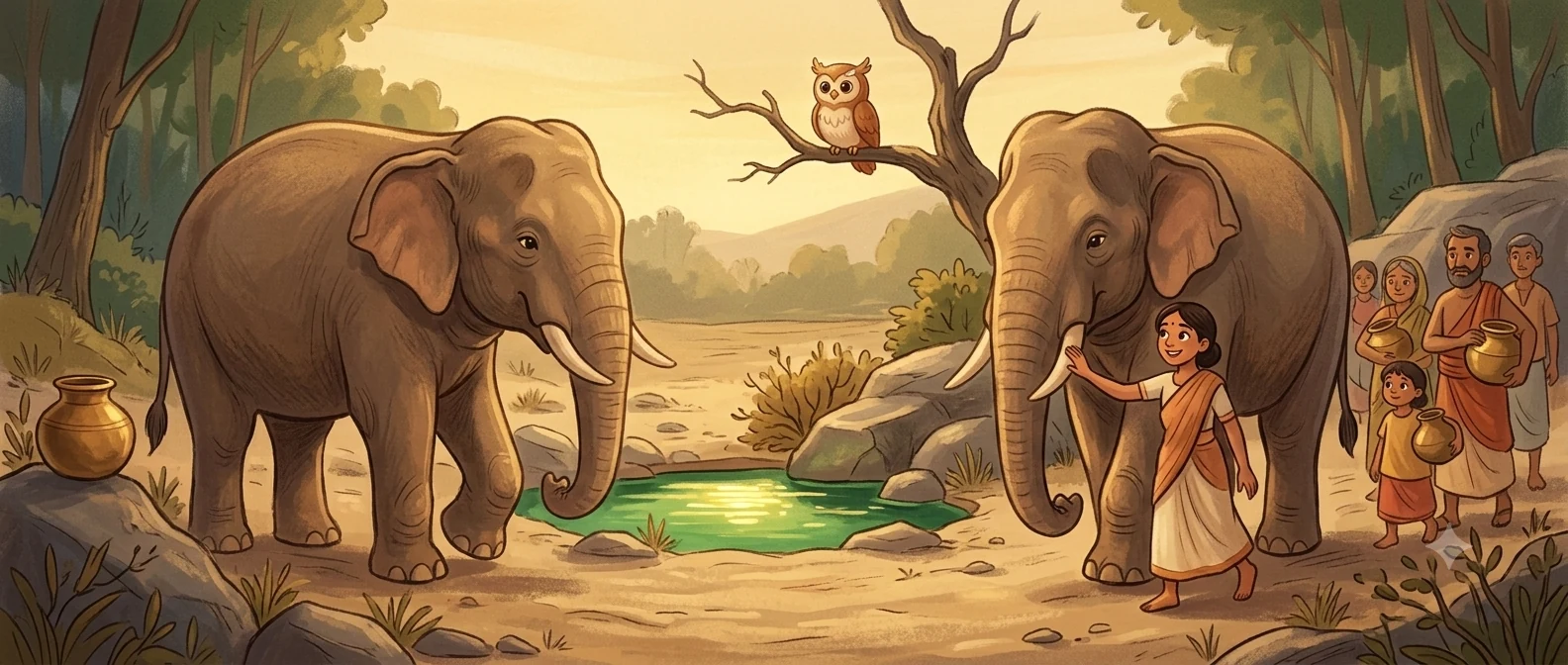
A little girl helps a baby elephant stuck in the mud and thinks no more of it. Elephants, however, are famous for exactly one thing.
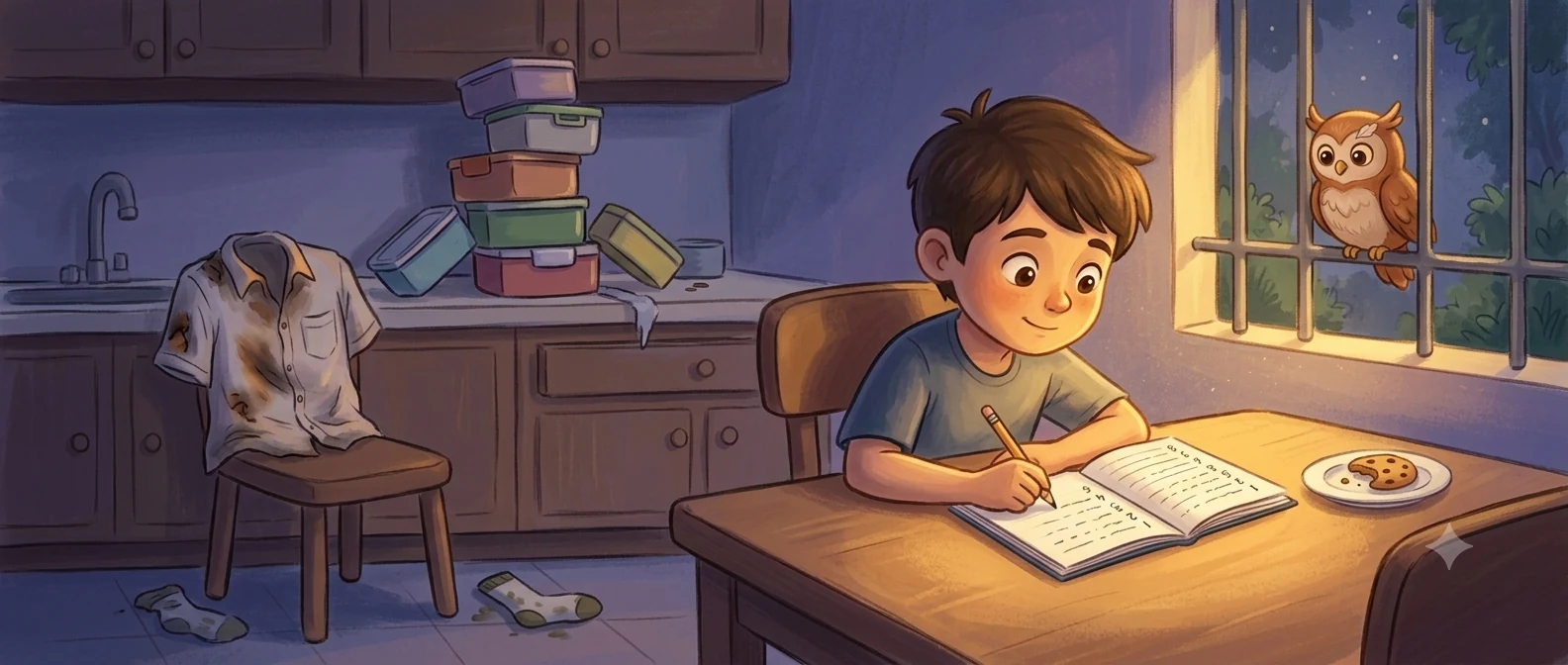
Ma goes to Nagpur for two weeks, and the house begins to malfunction in ways Arnav has no words for. So he starts writing them down.
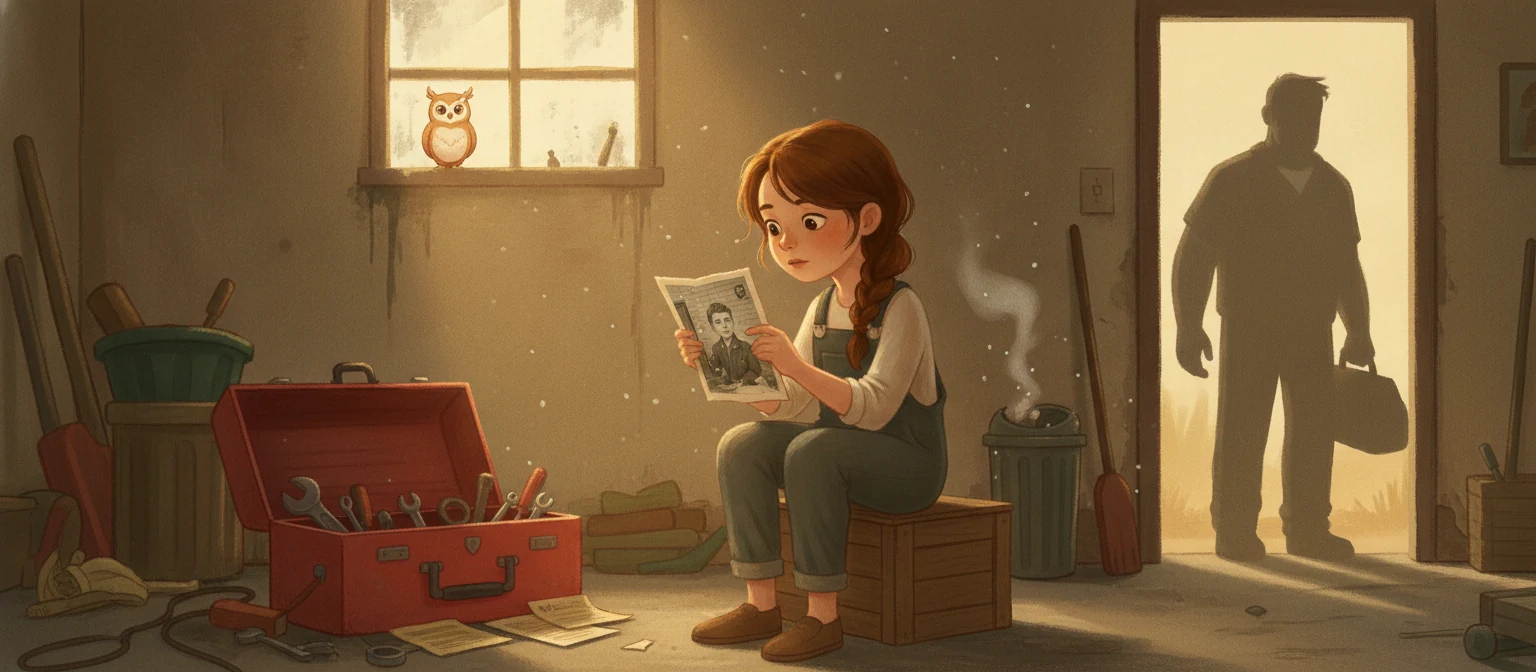
Maya's dad is embarrassing: old car, packed lunches, one worn jacket, 'we'll see' to everything. Then, looking for a screwdriver, she finds a photograph — and meets her father at nineteen.
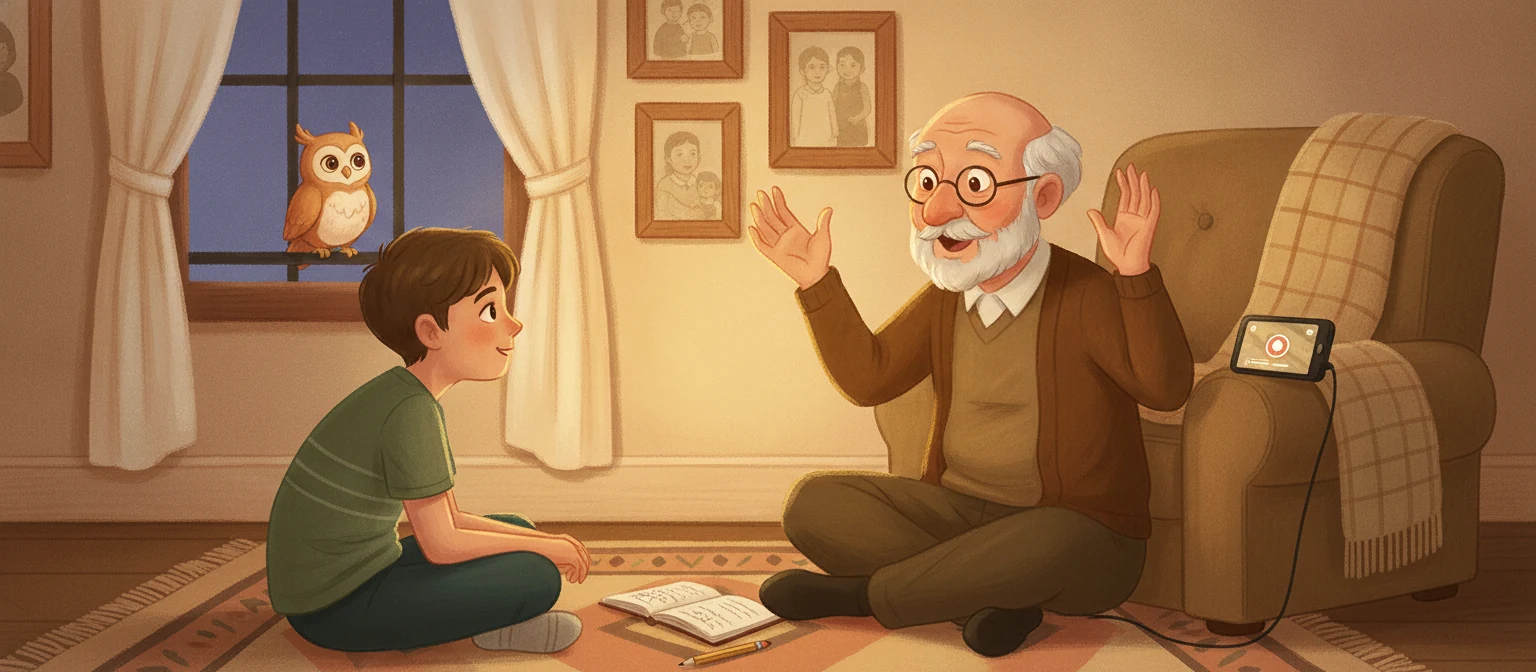
Dada tells the same stories over and over — the flood, the bicycle, the transfer order — and Reyansh has heard them all a hundred times. Then a school assignment makes him actually listen.
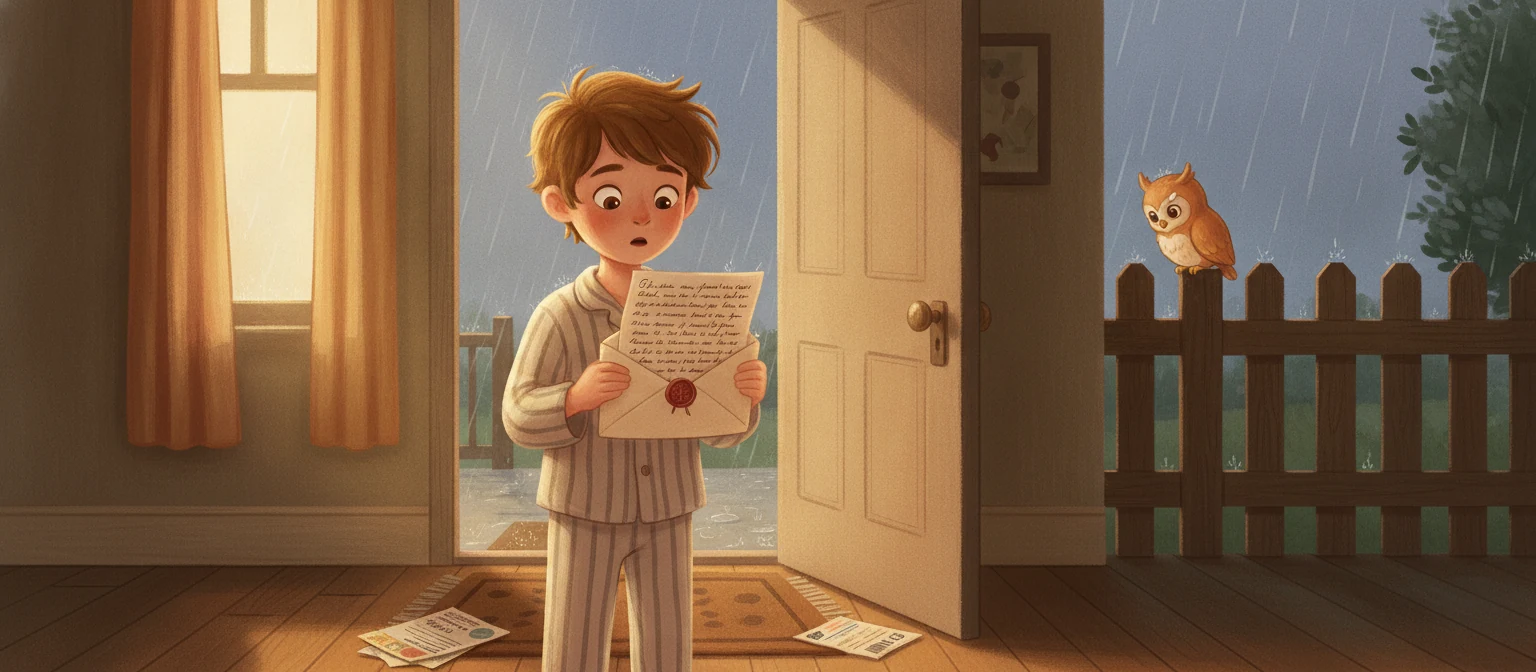
Ten birthday presents means ten thank-you notes — Mum's unbreakable rule. Nine of them are a chore. The tenth one changes what Sam thinks a thank-you even is.
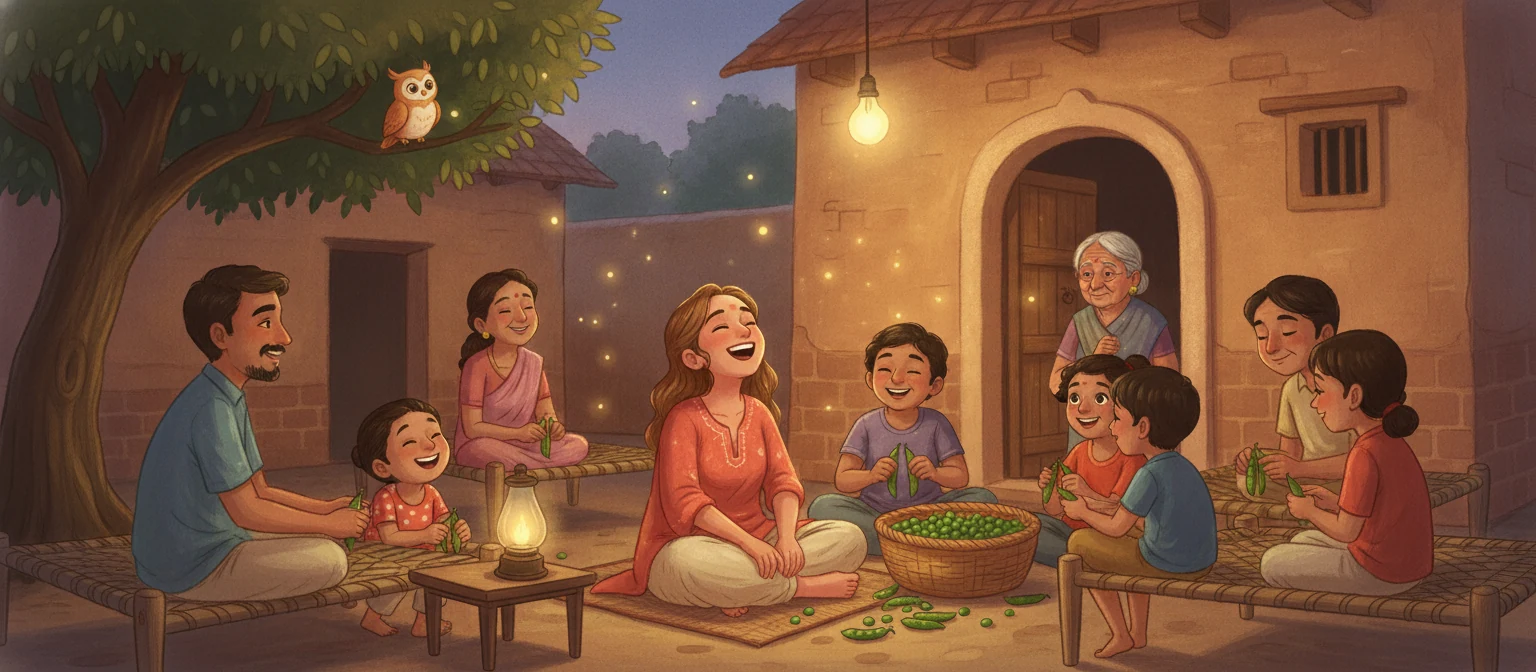
Zara has flown from London to a village with patchy Wi-Fi, bucket baths, and a 5 a.m. rooster. Her review, composed by day two, is scathing. It does not survive the two weeks.
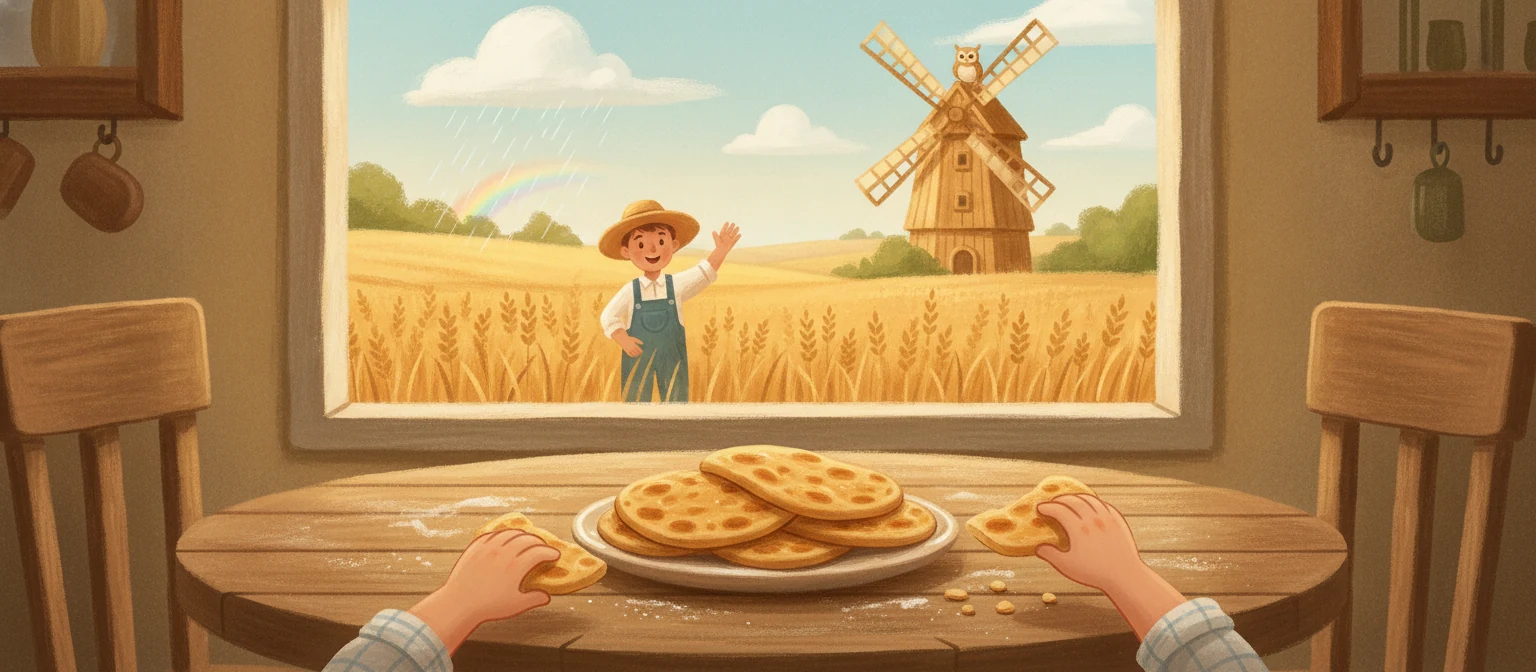
Warm bread on the plate — but where did it come from? Follow it all the way back, and say thank you to everyone inside your breakfast.
Separate the manners from the noticing. Keep teaching the polite words — they matter socially — but grow the real thing by regularly wondering out loud about good things: "wasn't it lucky the rain waited for us?" Stories do this modelling for you, and the Talk About It questions at the end of each one give the noticing a nightly rhythm.
Completely — children start out assuming the world simply comes with dinner, warm beds and people who love them, which is exactly as it should be. Gratitude is the slow discovery that these things come from somewhere. Stories speed that discovery kindly, by showing lives and moments where the ordinary turns out to be a gift.
Small, regular reflection on good things is one of the most consistently supported wellbeing habits in psychology research — for adults and children. A story plus one Talk About It question — "what's one good thing from today?" — is a two-minute version that fits inside a bedtime you're already doing.