Handling Failure
Again!
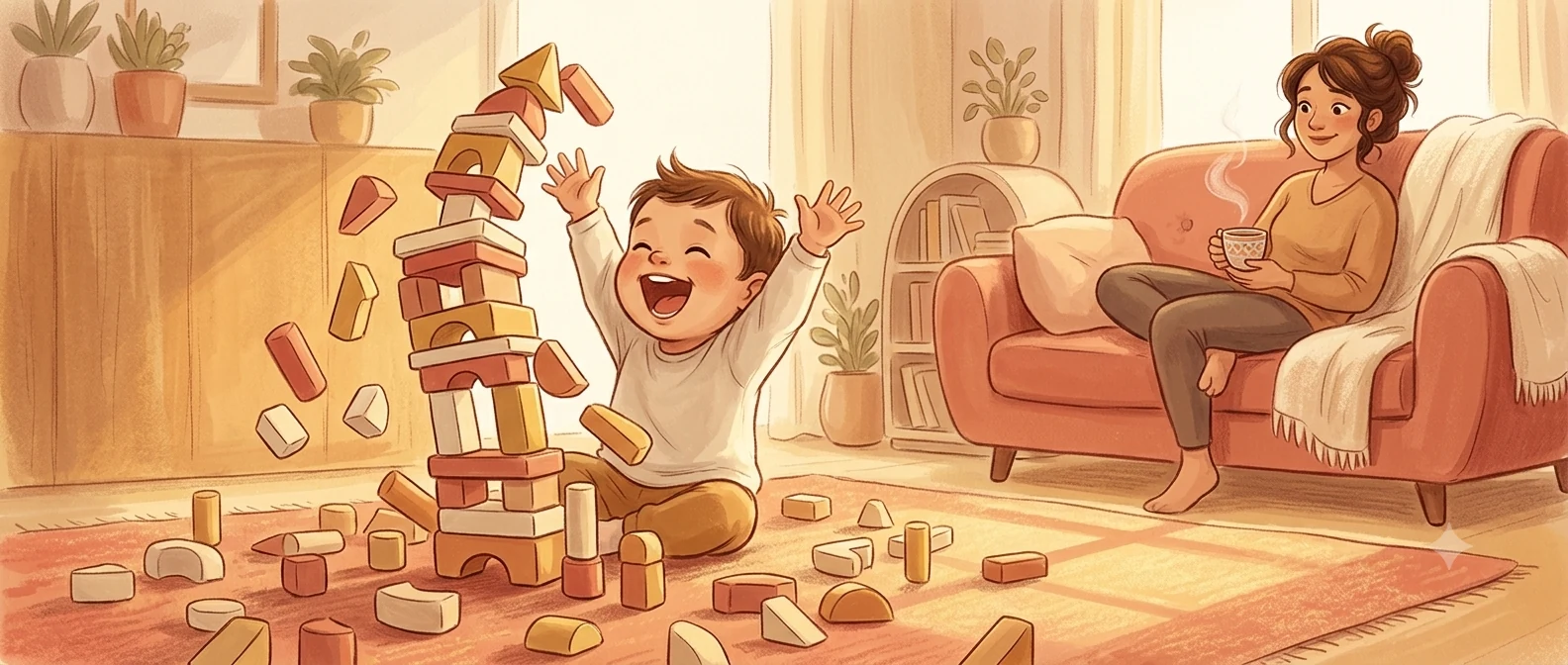
Kabir's tower falls down — CRASH! And Kabir knows the most powerful word a small builder can say.
Our instinct when a child fails is to fix it fast — soften the loss, find the silver lining, promise next time. But children also need the other thing we rarely give them: proof that failing is survivable. A story provides it at exactly the right distance. Your child watches someone else lose the race, fluff the line, drop the catch that mattered — and then watches the morning after arrive anyway, with breakfast in it.
The stories here keep the failure real (no last-minute miracle wins) and put their attention where it belongs: on what a character does next. Some try again; some try differently; some discover the thing they actually wanted wasn't the trophy. Each ends with a short Talk About It prompt, which on a hard day can be the door your child needed to talk about their own dropped catch. Because the real lesson isn't that losing doesn't hurt — it's that the hurt and the trying can live in the same child.
Kabir's tower falls down — CRASH! And Kabir knows the most powerful word a small builder can say.

Dev is the best athlete in his year — football, swimming, athletics, all of it. Then the school ski trip puts him on the beginners' slope, where the five-year-olds live.

Every cub roars at the Gathering — it's tradition. Sher has practised all season. What comes out of him that day is not a roar.
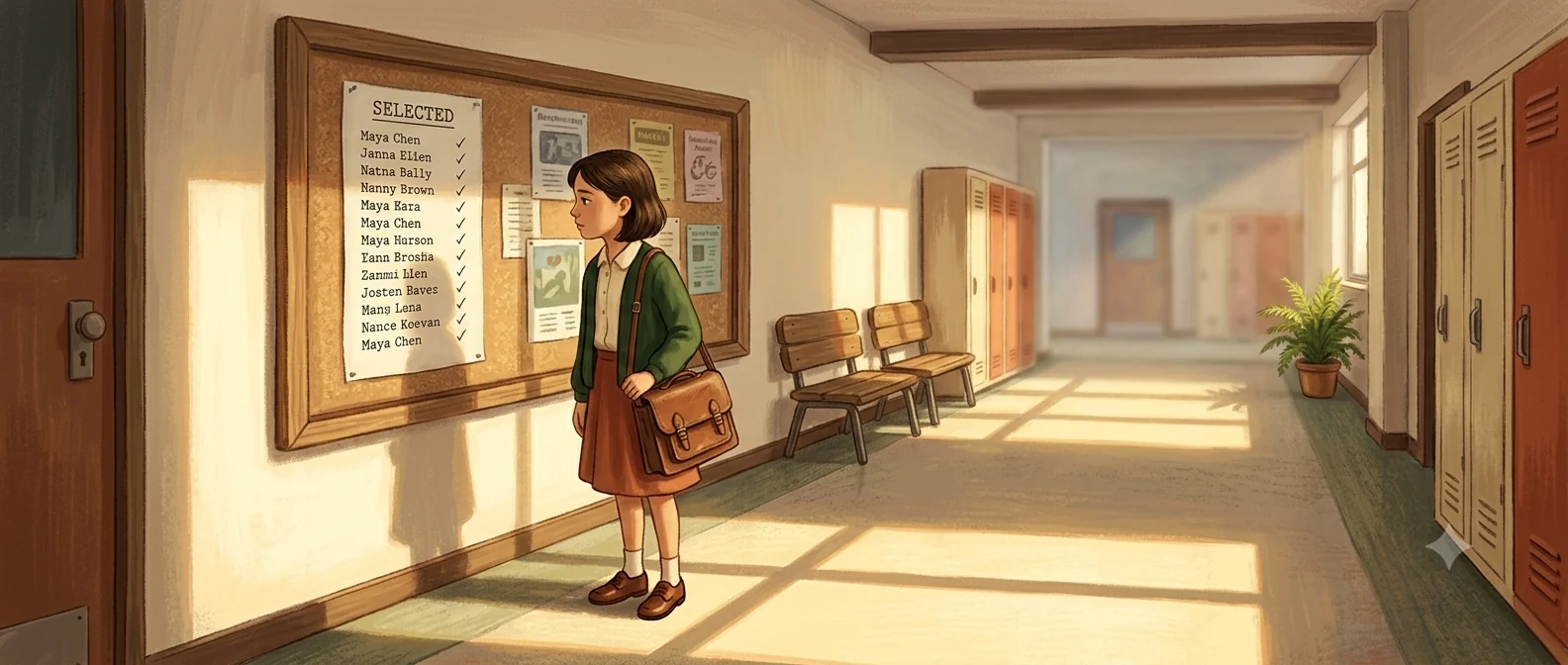
Tara trained all summer for the school basketball team. The selection list goes up on a Tuesday, and her name isn't on it. This story starts there.
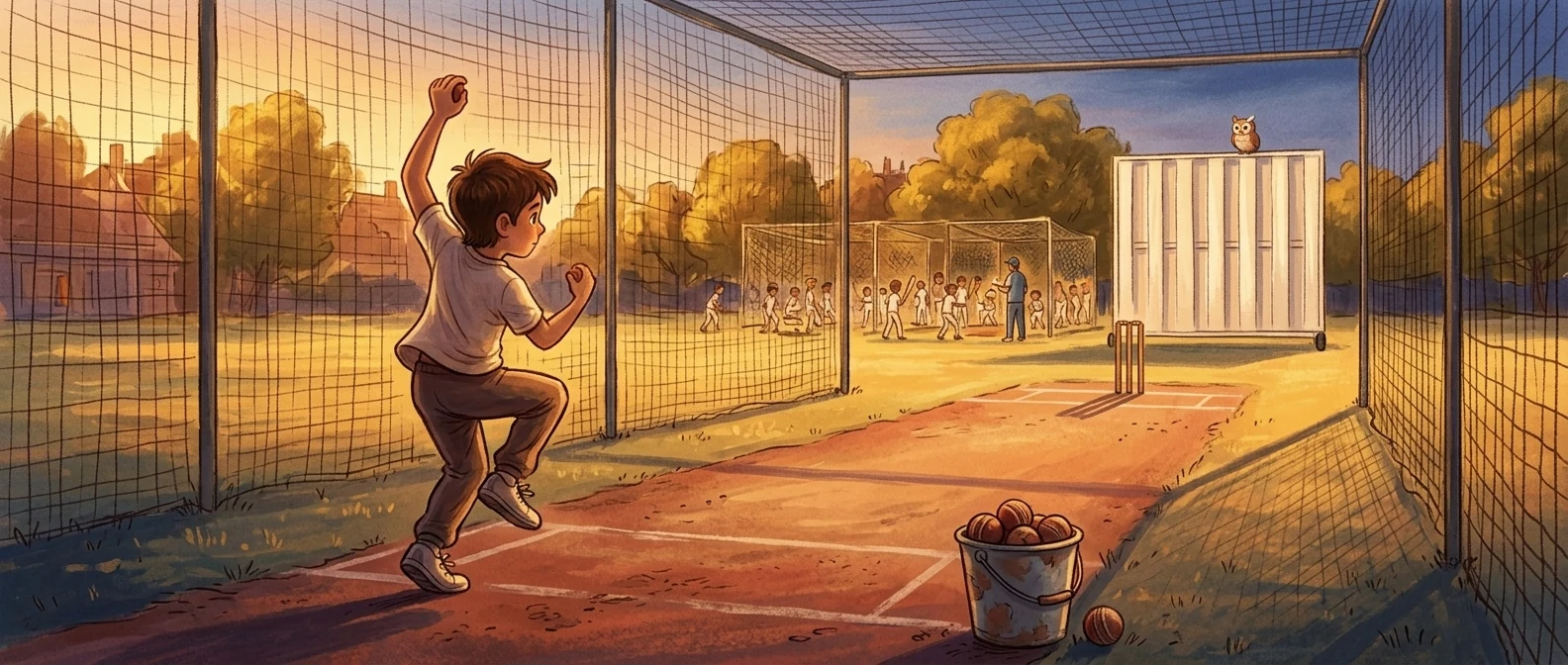
Everyone else at the academy is taking wickets in real matches. Ishan has spent four months bowling one ball, over and over, at a single stump.
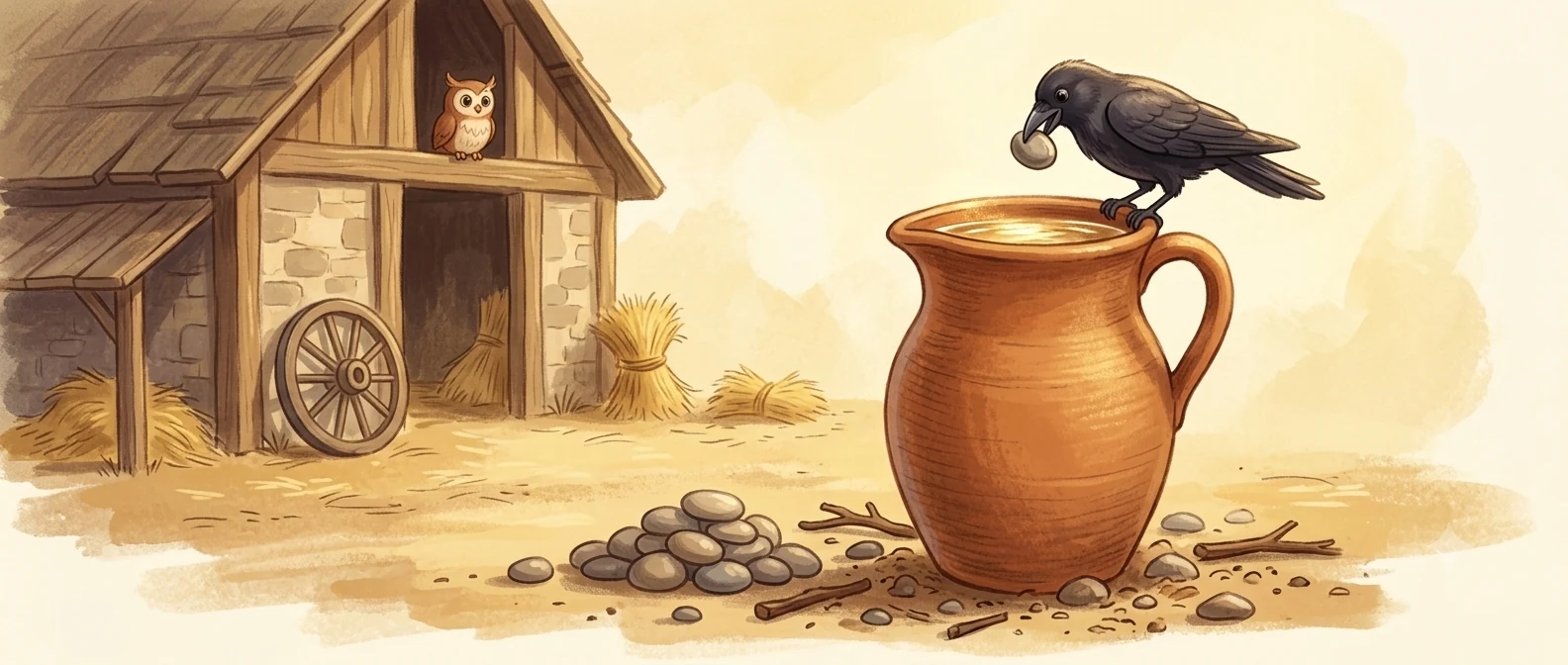
The water is right there, at the bottom of the tall jug — and the crow's beak cannot reach it. Our retelling of the beloved fable, with all the tries that came before the famous idea.
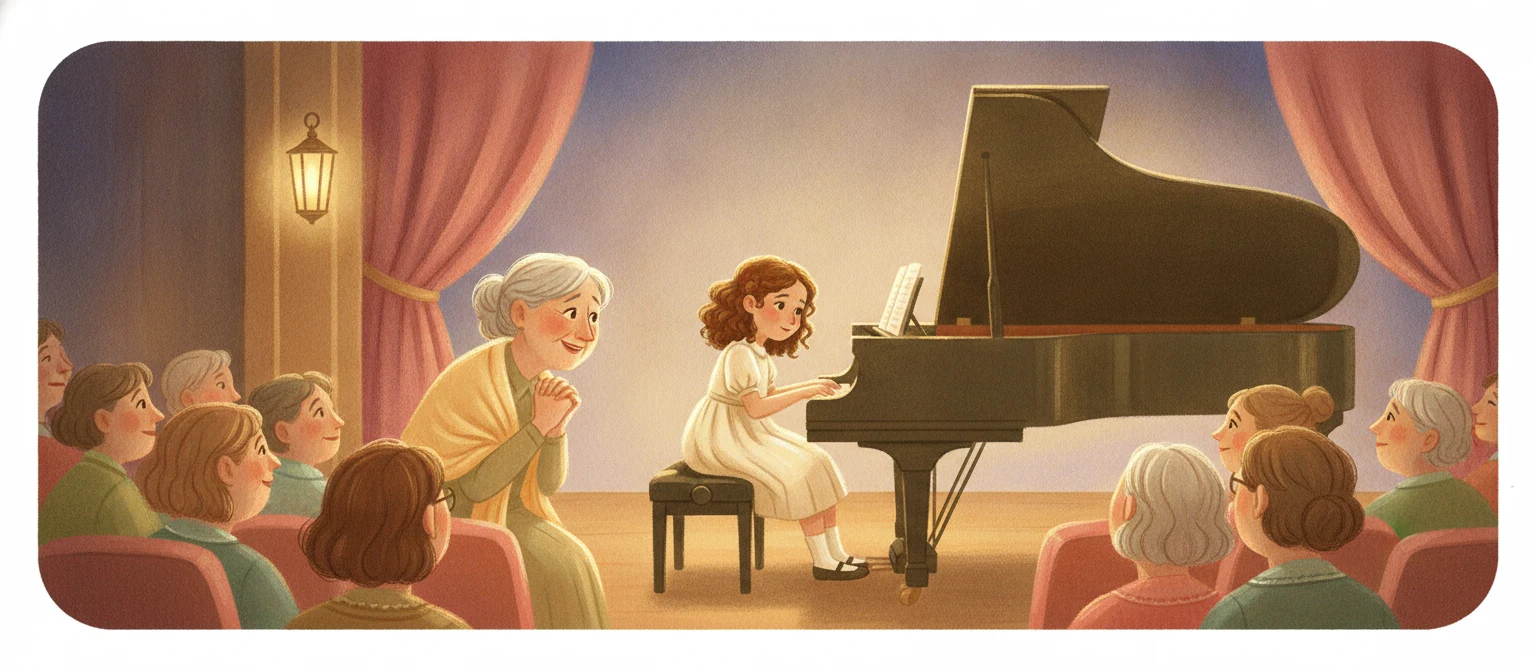
Halfway through her first recital piece, Anna's hands stop — in front of everyone. What she does in the next sixty seconds is the part nobody in that hall ever forgot.
Somebody drew a face on the third desk in blue pen. Nobody says who. So the whole class stays in at break — four days running, in the best weather of the year.
Prisha's volcano wobbles and works. The one that wins has soldered joints, a laminated label, and a switch that clicks. The girl who made it has to stand next to it for two hours.
Less than you think, and later than you think — feelings first, lessons after. "That one hurt" beats "you'll get it next time" in the first minutes. A failure story at bedtime that night can then do quiet work: it lets your child revisit the feeling from a safe distance, through a character who had the same kind of day.
They correct the story children tell themselves — that failing means something is wrong with them, and that everyone else finds it easy. Watching a likeable character fail, feel it fully, and remain likeable rewrites both beliefs. Over many bedtimes that becomes a quiet conviction: people fail, and keep going, and are still loved.
They're a good first tool, because avoidance feeds on imagined catastrophe, and stories replace imagination with a rehearsal. Pick tales where the character's fear of failing is shown honestly before the attempt. Then keep stakes low in real life — new things tried for fun, not judged — and let the stories and the practice reinforce each other.