
Respecting Elders
Sunday Nani
Every Sunday morning, Rohan's kitchen fills with flour and laughter — because every Sunday, Nani teaches cooking from seven thousand kilometres away.
Children live at a different speed from us, and "just wait" asks them to do something they can't yet picture — because waiting, to a child, looks like nothing happening. What a story can do is make the invisible part visible: the seed that was busy underground all along, the dough that needed the night, the potter whose hundredth bowl finally sang. In a story, waiting isn't nothing happening. It's something happening slowly.
These are stories with long middles and worth-it endings — old tales from traditions that trusted slowness, and new ones about queues, younger siblings, and things that refuse to be rushed. The reading itself is the practice: a story can't be skipped to the end, and neither can most good things. Each finishes with a short Talk About It prompt about the waiting in your child's own week. Some of them are best read slowly, which is rather the point.
Every Sunday morning, Rohan's kitchen fills with flour and laughter — because every Sunday, Nani teaches cooking from seven thousand kilometres away.
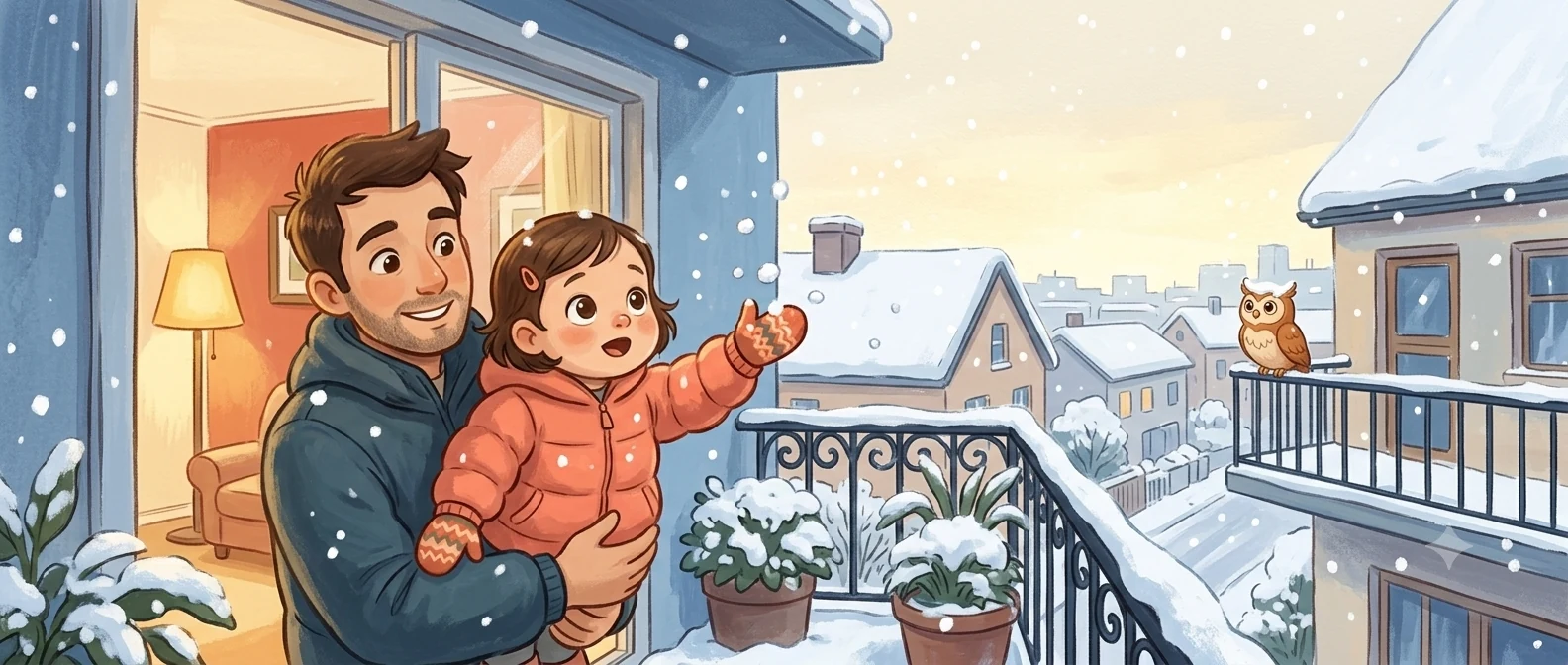
Papa says snow is coming — the first snow of Zoya's whole life. But winter takes its time, and sends its little signs ahead.
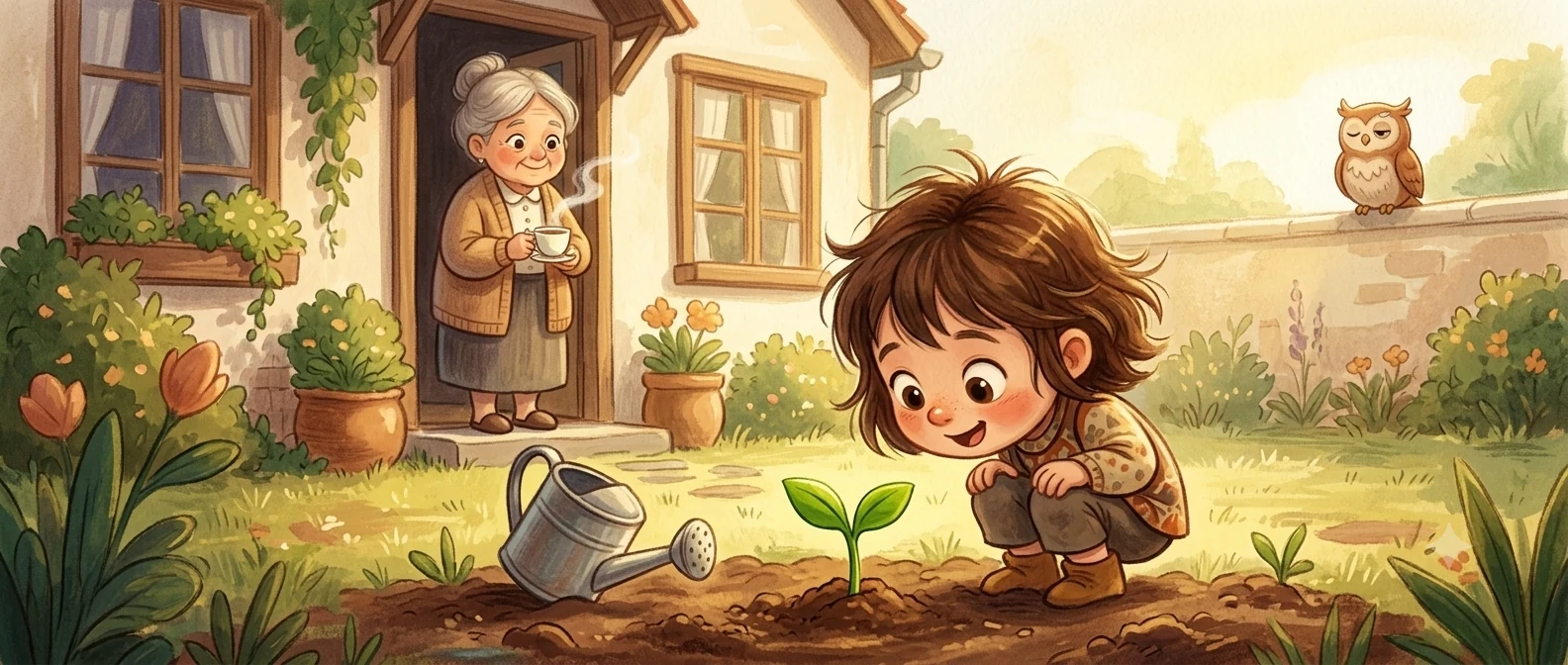
Anu plants a mango seed with Nani and asks, every single day, if it's mango time yet. Seeds, it turns out, work slowly — and secretly.
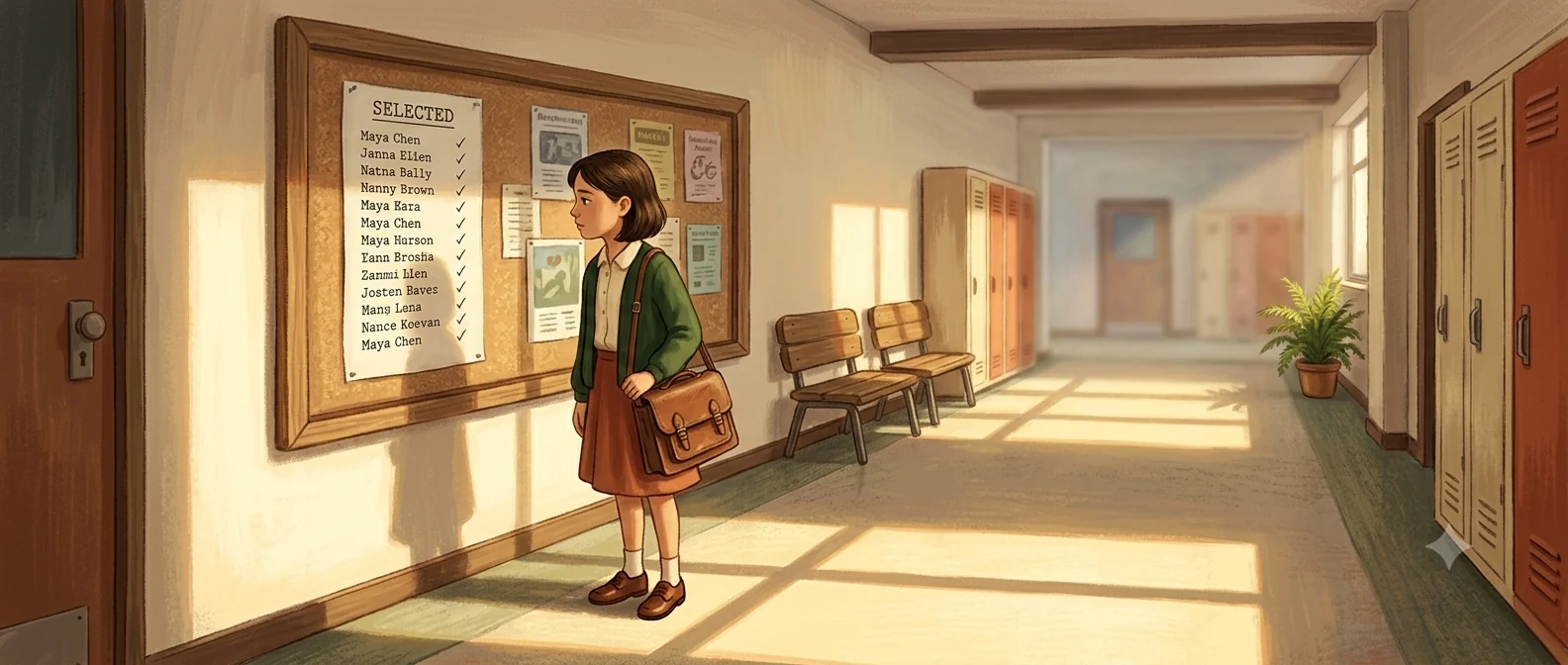
Tara trained all summer for the school basketball team. The selection list goes up on a Tuesday, and her name isn't on it. This story starts there.
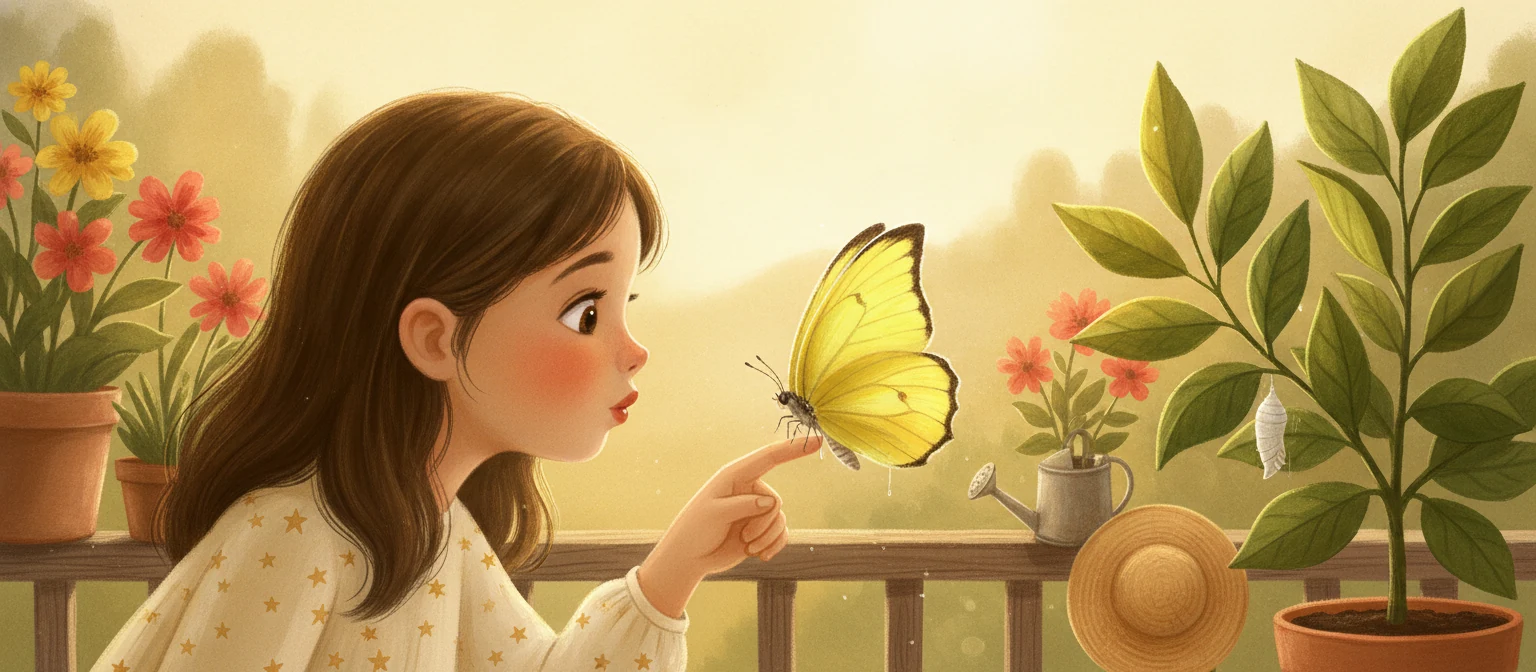
The fat green caterpillar on Tara's lemon plant has wrapped itself up in a tiny green sleeping bag — and now comes the hardest part of all. The waiting.
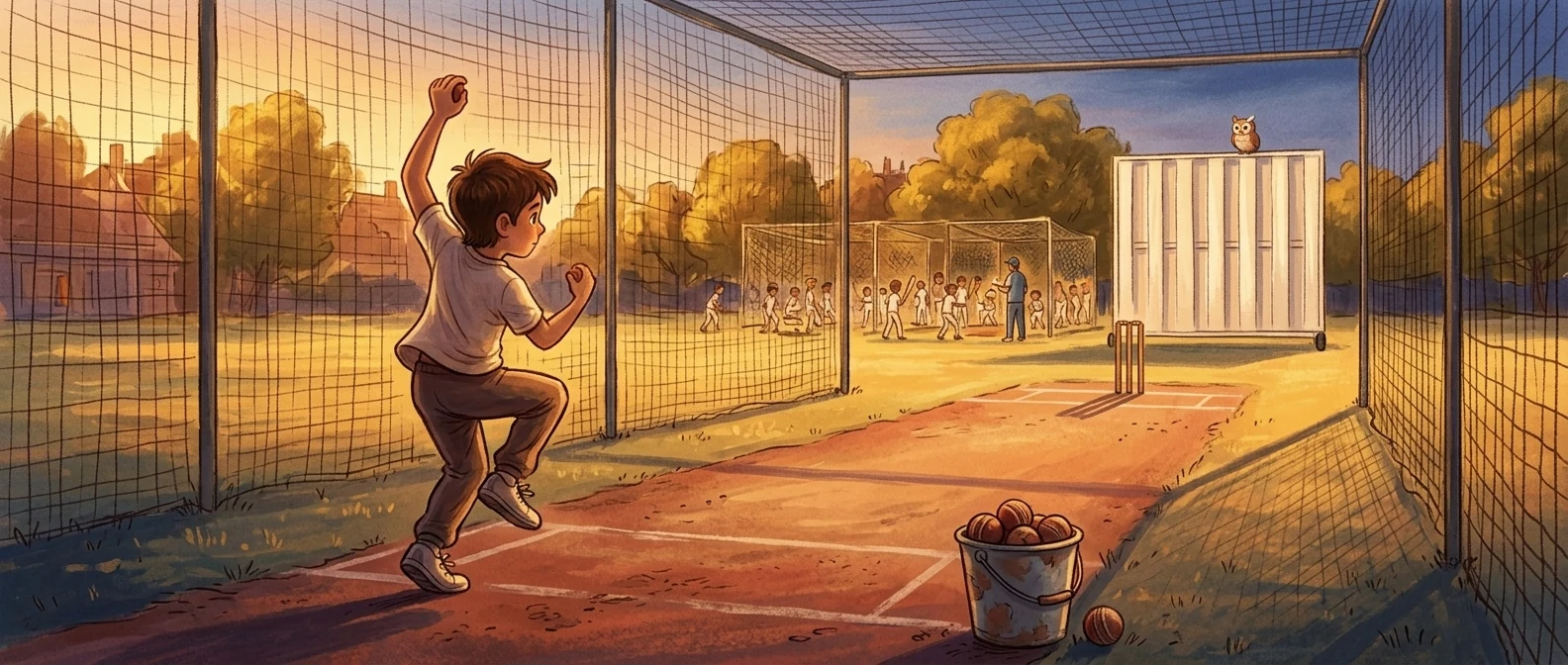
Everyone else at the academy is taking wickets in real matches. Ishan has spent four months bowling one ball, over and over, at a single stump.
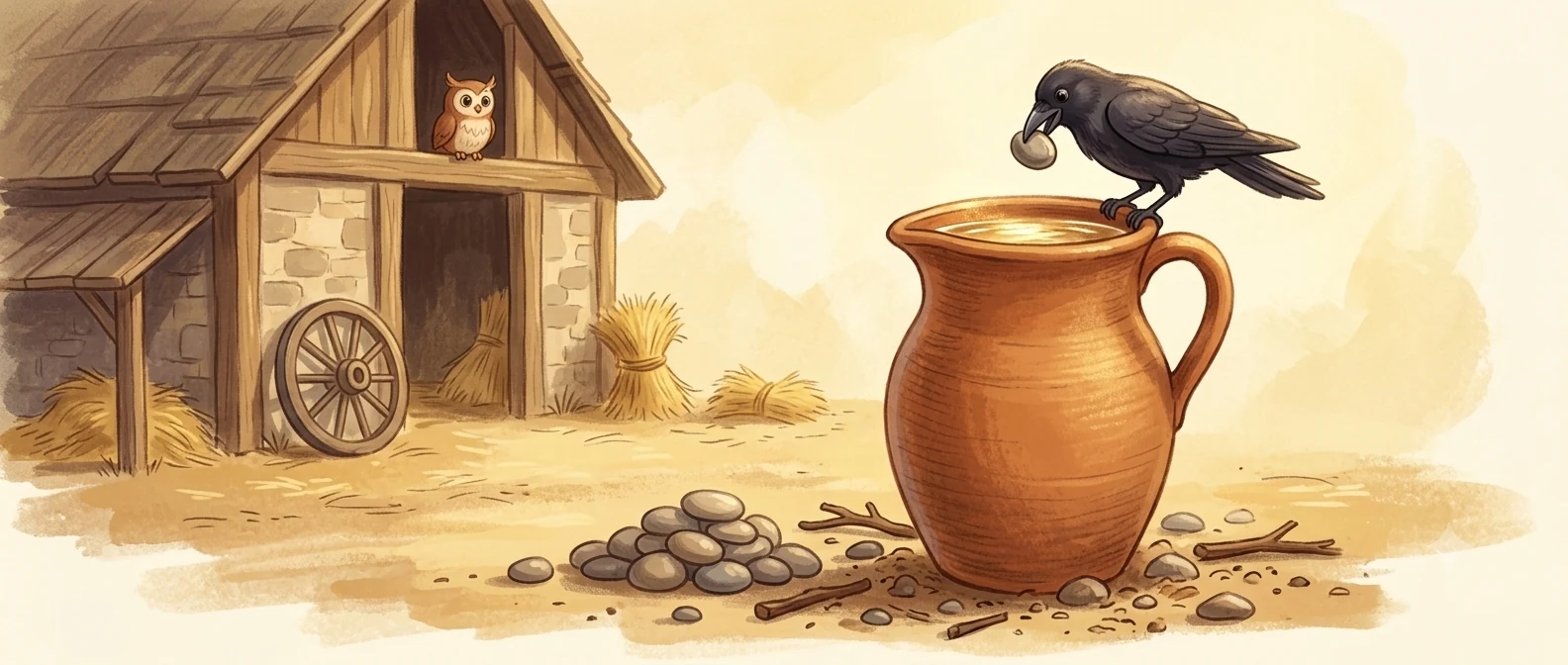
The water is right there, at the bottom of the tall jug — and the crow's beak cannot reach it. Our retelling of the beloved fable, with all the tries that came before the famous idea.
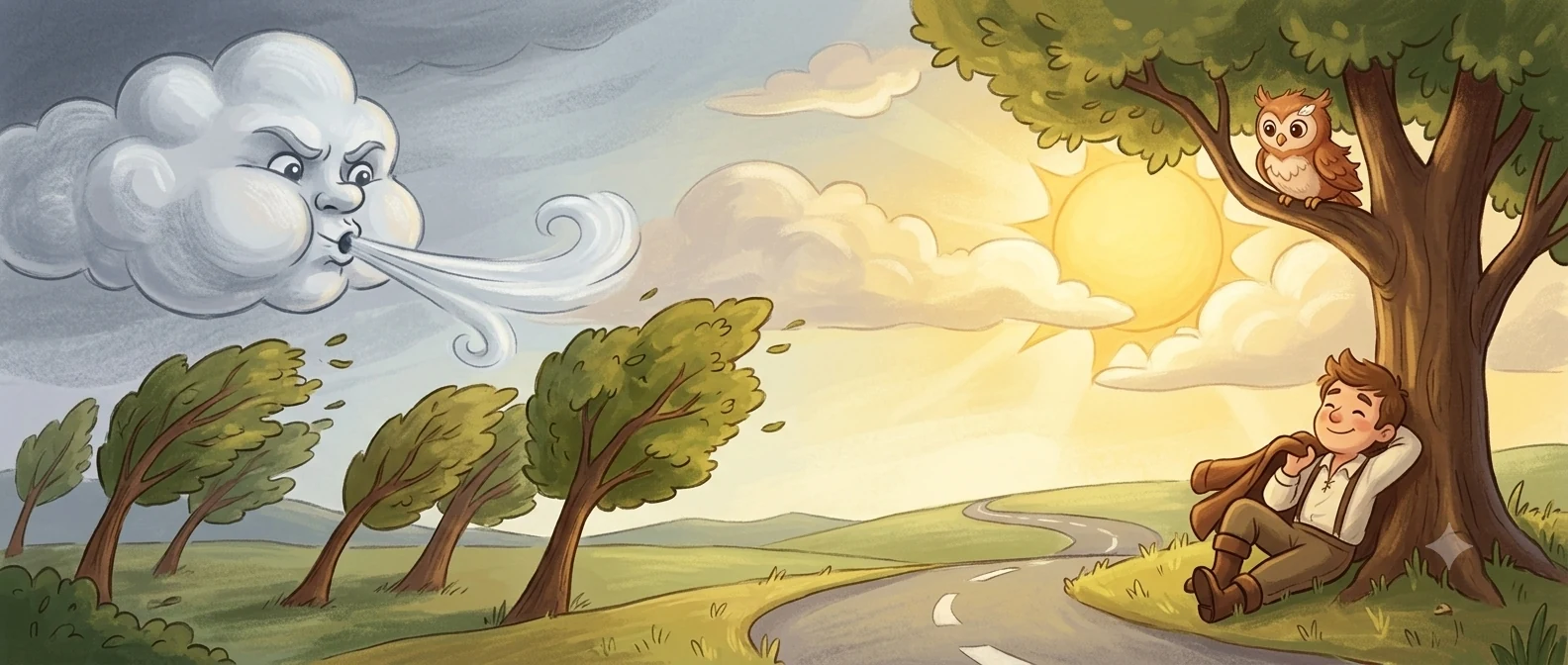
The Wind and the Sun make a bet: who can get the traveller's coat off first? Our retelling of Aesop's quietest, wisest contest.
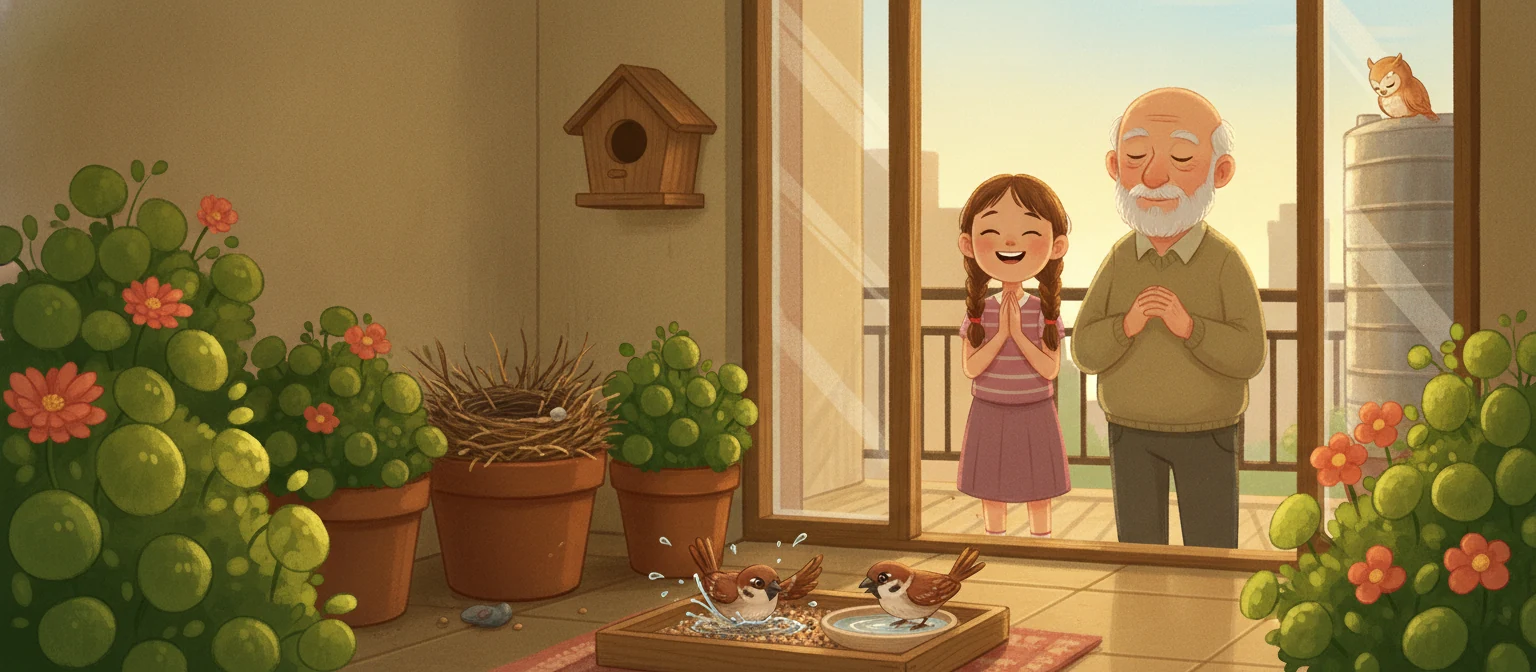
Dadu says the mornings used to be full of sparrows — a hundred small arguments in every hedge. Riya has never really noticed them at all. So where did they go?
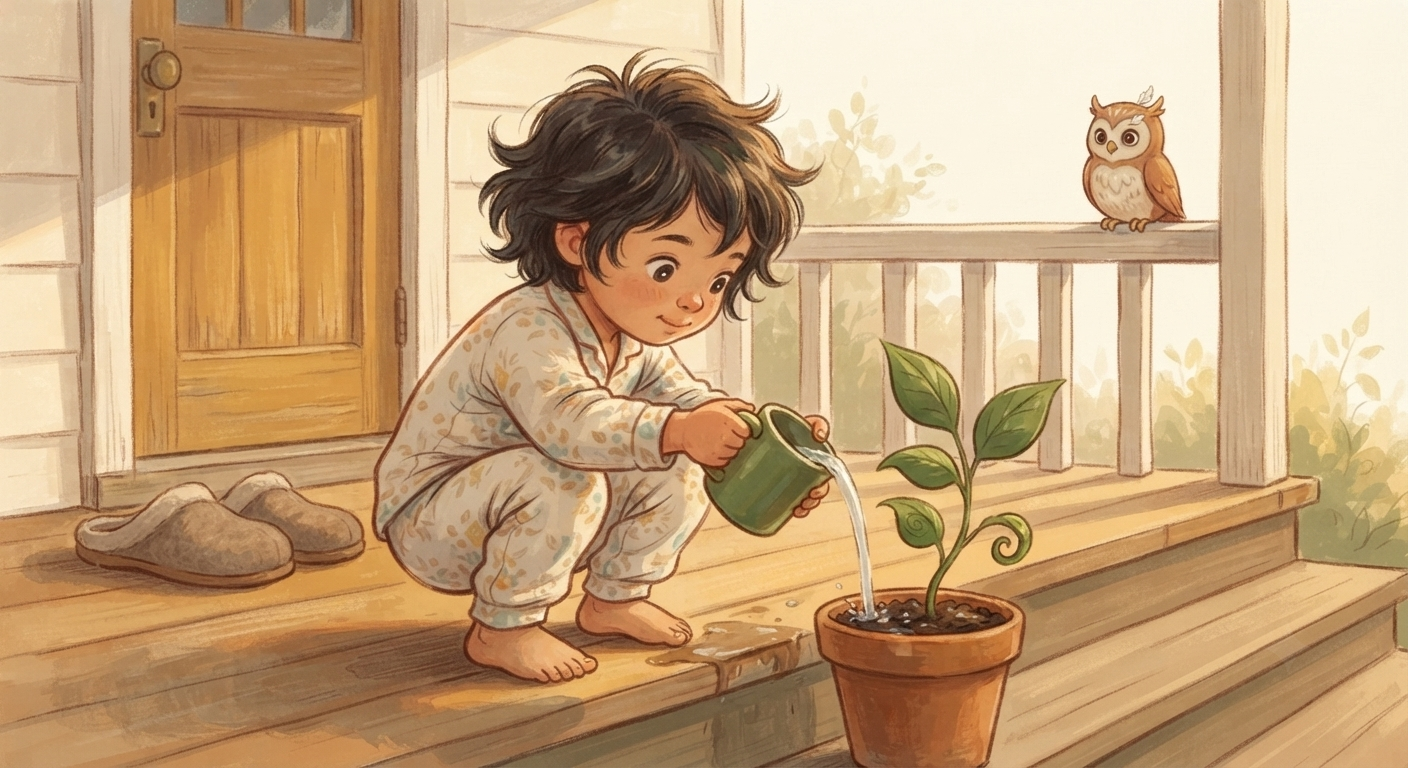
The plant on the step gets half a mug of water. Every day. Monday, Tuesday, the day it rains, the day Rumi nearly forgets — and then, one morning, something small and green and tight.
Less than a bad day makes you hope, more than a good story makes you think. As a rough guide: toddlers can wait moments, preschoolers minutes (with help and distraction), and school-age children can hold longer waits if they understand the why. Stories help most with that last part — they give children a picture of what waiting is for.
Two ways. The content shows waiting paying off — a character who plants, tends and finally harvests. And the form is itself a wait: a story unfolds at its own pace, and a child sitting through the slow middle to reach the ending is literally practising the skill. It's why bedtime reading is patience training you're already doing.
They're one honest tool among several. Stories about slow rewards give you shared language — after reading about a seed that took all season, "maybe your kite is still a seed" says more than "keep trying." Pair the stories with genuinely waitable things at home: growing something, saving for something, baking something.