Making Mistakes
The Broken Kite
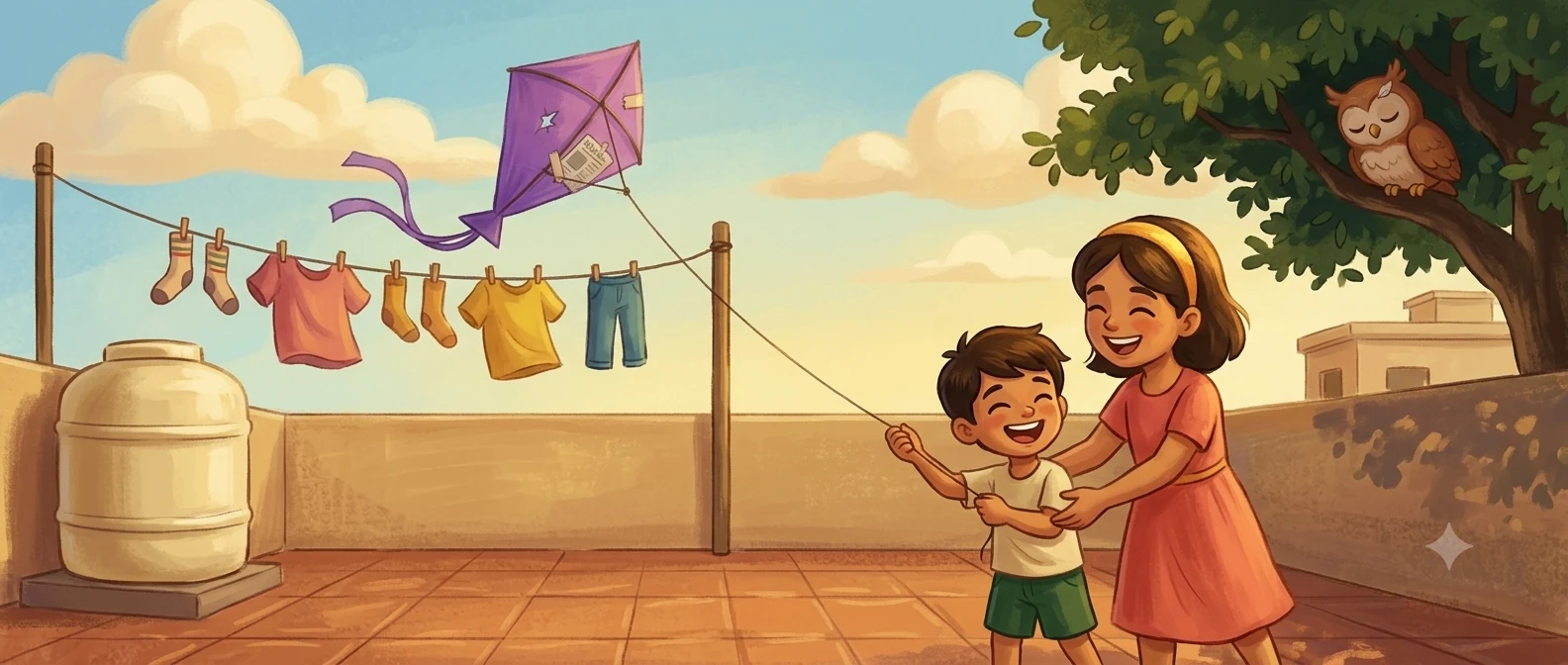
Ravi broke his sister's purple kite by accident. Nobody saw. The wind could take the blame... couldn't it?
If failure is about not reaching something, mistakes are about the other moment — when you did the thing, and it was the wrong thing, and now it sits there looking at you. Children who fear that moment learn to hide it: the vase gets blamed on the cat, the missing homework develops a complicated history. The antidote isn't stricter honesty rules; it's making mistakes speakable.
That's what these stories are for. Their characters break, spill, forget and blurt — and then walk the interesting part of the road: the owning up, the repair, the discovery that the grown-ups' love was never the thing at risk. Retellings and new tales alike end with a short Talk About It prompt, so the conversation can drift, if it wants to, toward any small confessions waiting nearby. Because a child who can say "it was me" without the world ending has learned something most adults are still practising.
Ravi broke his sister's purple kite by accident. Nobody saw. The wind could take the blame... couldn't it?
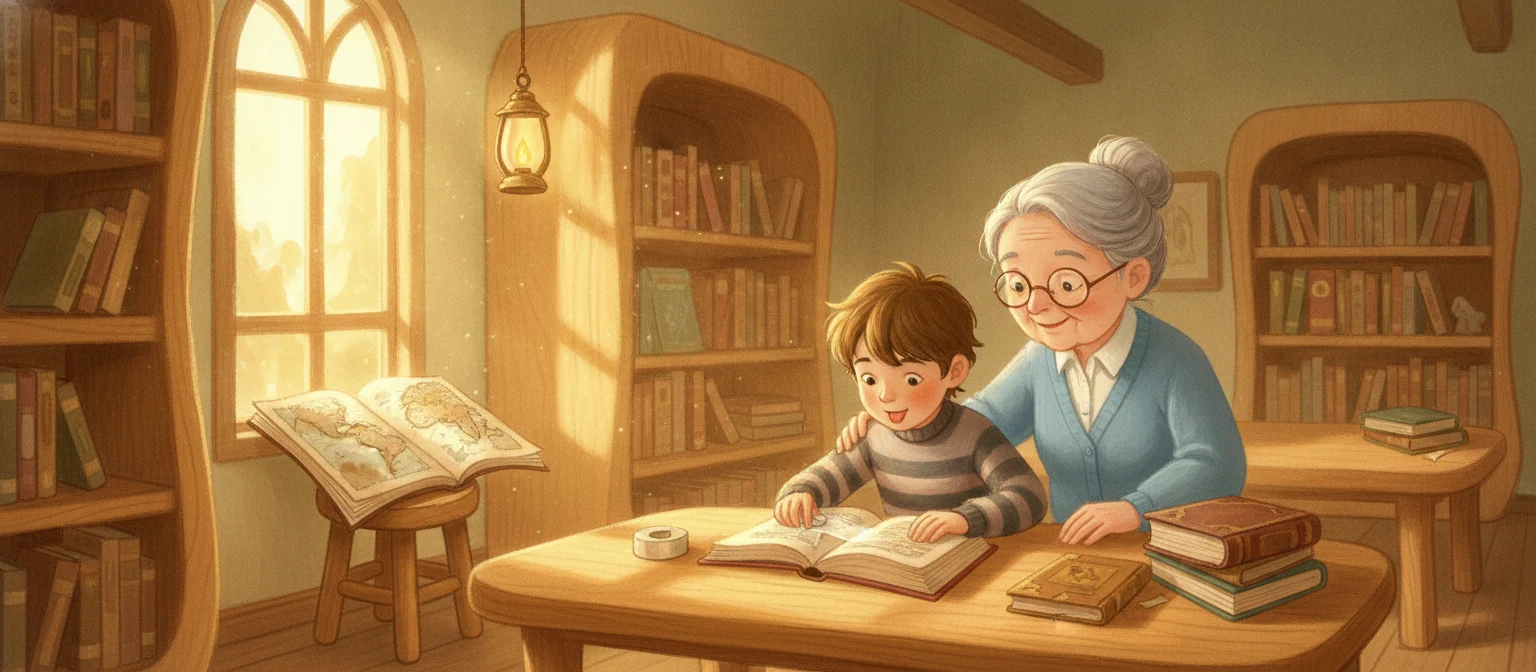
One splash of rasna, one soaked library book — and one whole week of hiding it under the bed. The book gets no better under there. Neither does Veer.
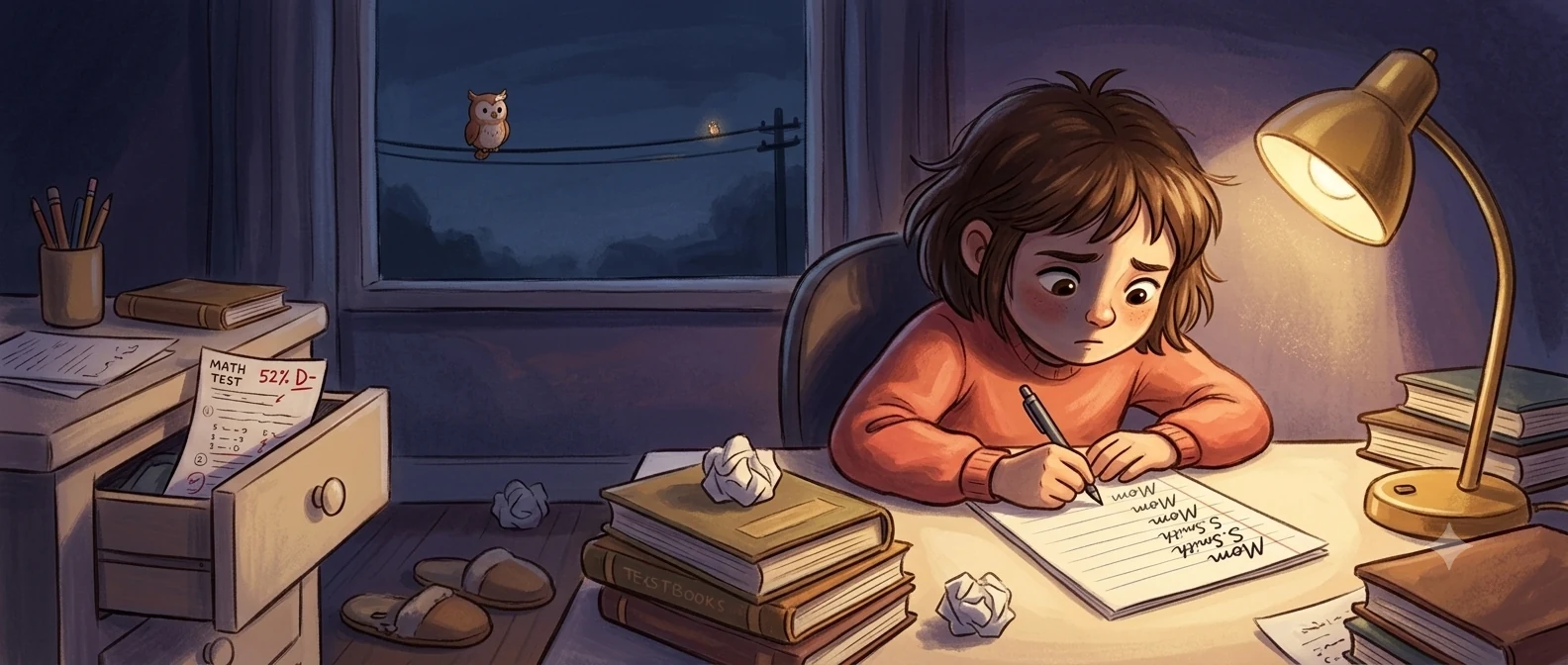
Forging Ma's signature took Anvi eleven tries and four minutes. Maintaining it took everything else.
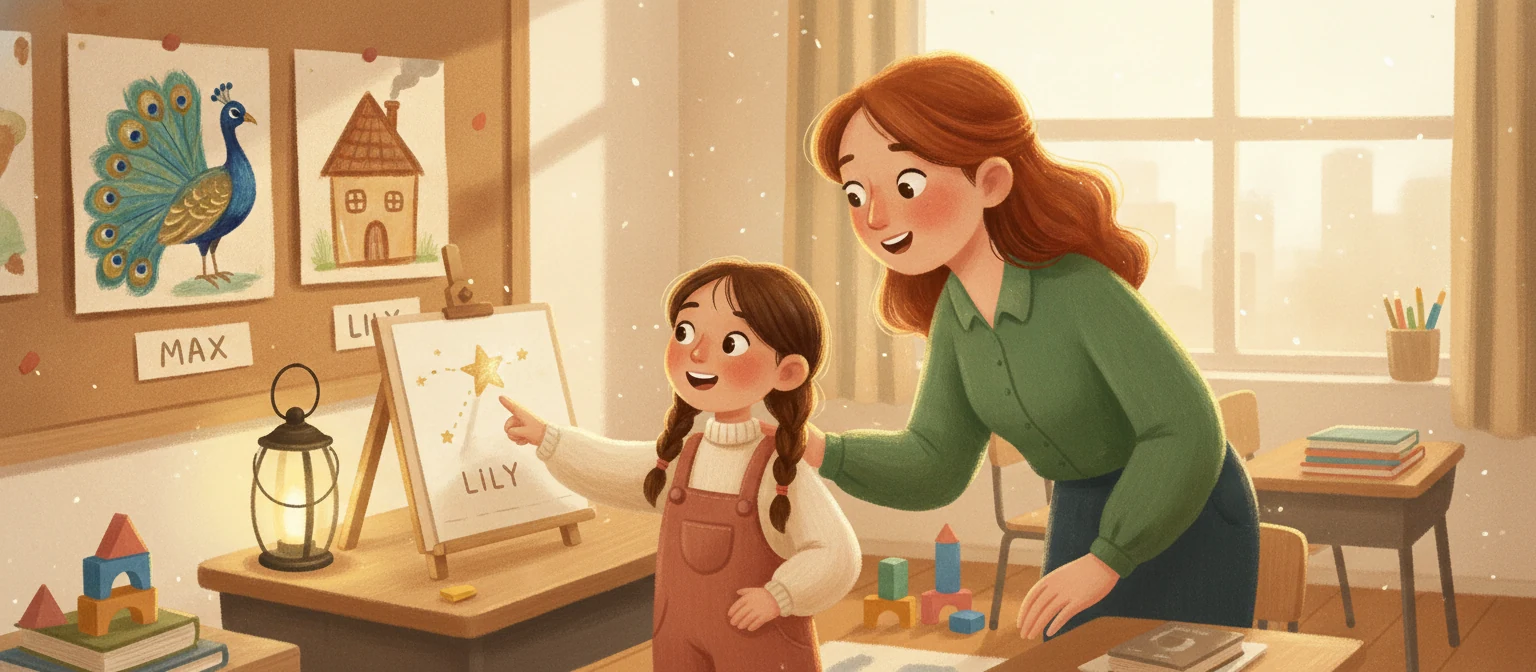
The teacher sticks a gold star on Mina's chart — for a painting Mina didn't paint. Nobody knows. But the star knows. Somehow, the star knows.
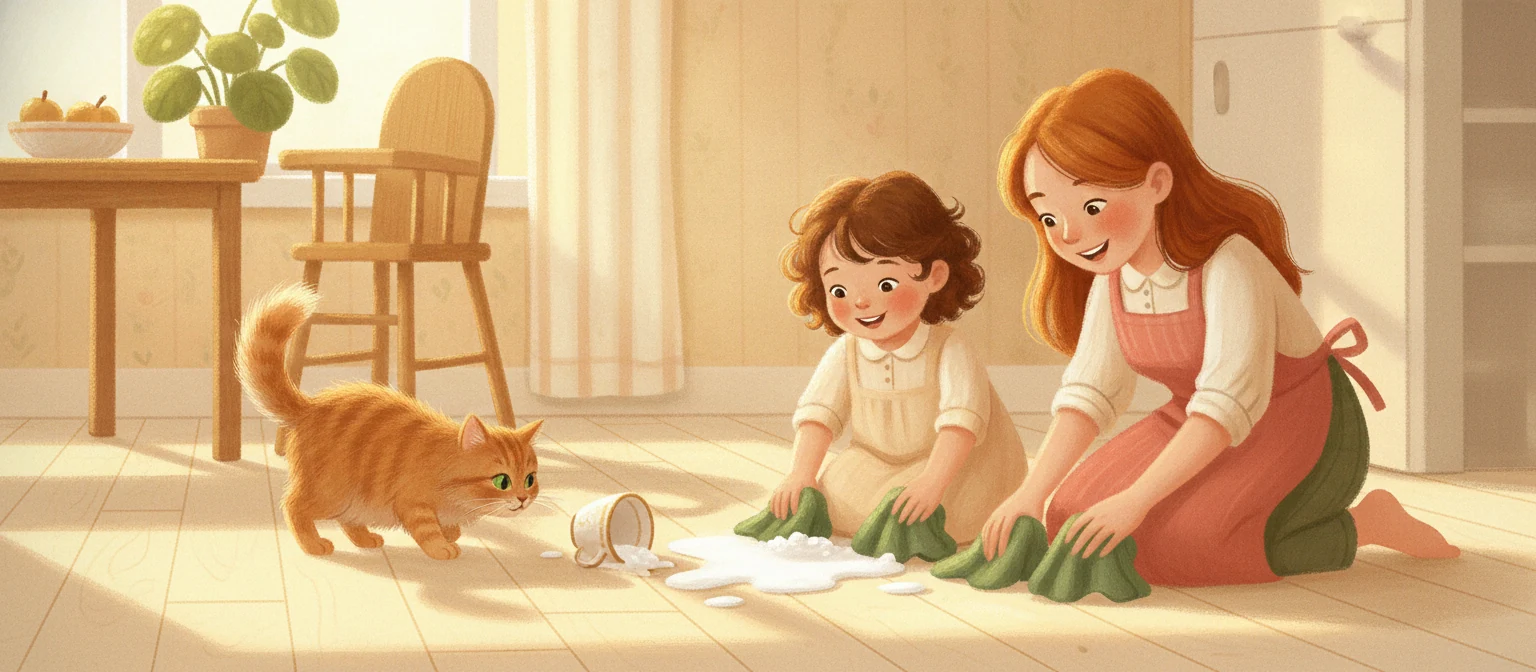
The milk tips over. Uh-oh! But in Meethi's house, every uh-oh knows exactly what comes next.
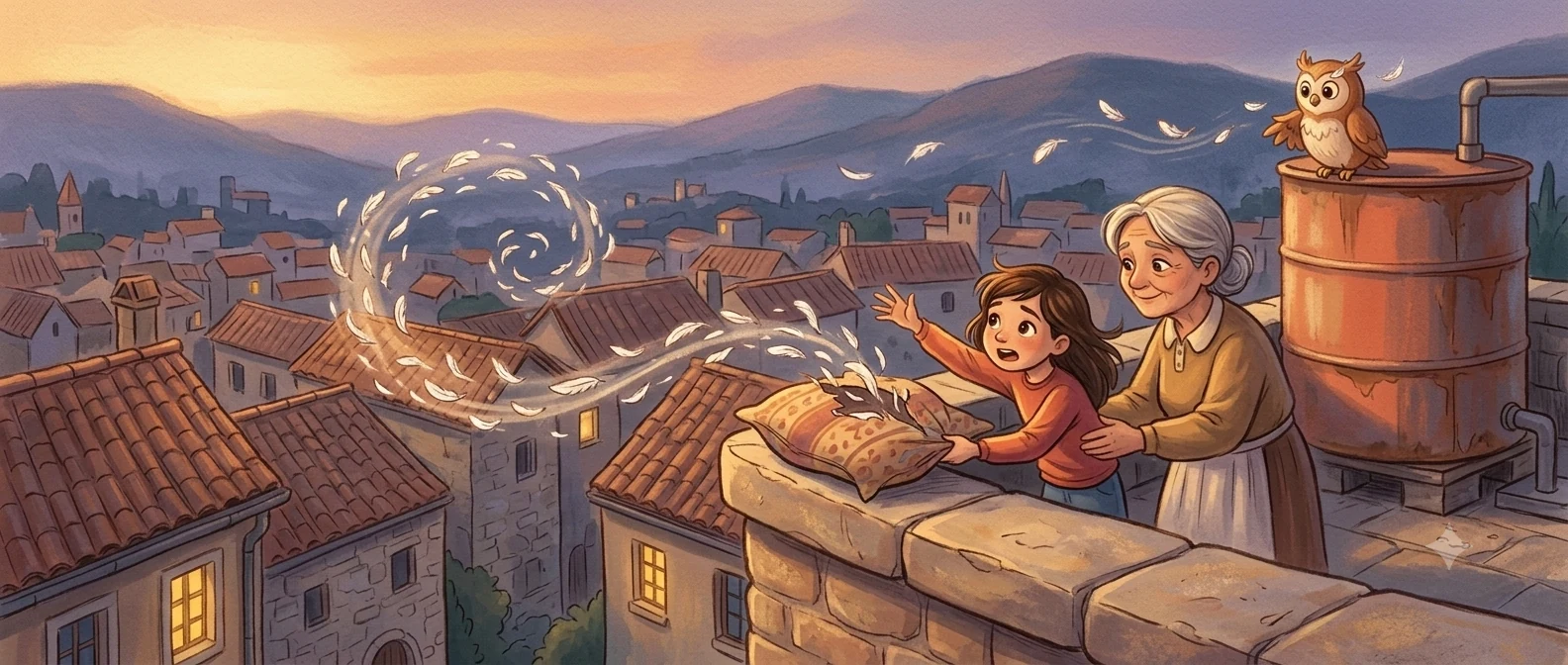
Ruhi only repeated what she thought she'd heard — once, to two people. By Friday it belonged to the whole class, and it wasn't even true.
Nihal knocks the blue paint all over Ila's picture. He says sorry straight away. He says sorry with a whole train of buts attached — and Ila keeps painting with her back to him.
Manav goes down on the wet corridor floor, spectacularly and harmlessly, and it is genuinely funny, and Manav laughs first. Aryan sends the video to two people.
Hiding is usually fear-management, not dishonesty — the child is protecting themselves from a reaction they dread. The long fix is making the owning-up consistently safer than the hiding: calm reception, repair over punishment. Stories accelerate this by showing characters who confess and find the sky doesn't fall.
Let them see yours. "I sent the auto the wrong way — oops, new plan" teaches more than any lecture on perfectionism. Stories add the wide-angle view: everyone in them errs, from little sisters to grandmothers to kings, and the likeable ones are those who repair, not those who never slip.
Intent — and it's worth keeping the two separate out loud. A dropped plate is a mistake; a thrown plate is a choice. Children treated as naughty for accidents learn to hide accidents. The stories in this collection are about the accidental kind, and about what an honest next step looks like once something has gone wrong.