Humility
The Bunny Slope
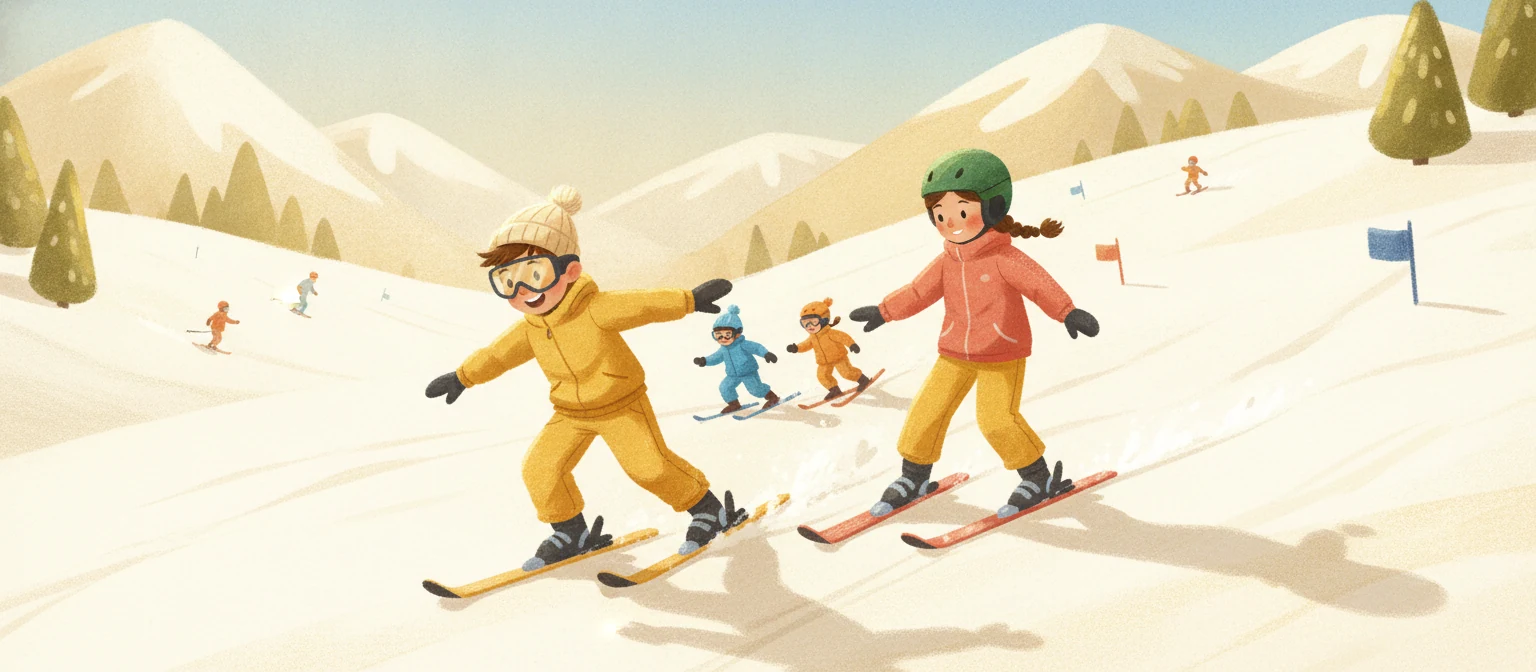
Dev is the best athlete in his year — football, swimming, athletics, all of it. Then the school ski trip puts him on the beginners' slope, where the five-year-olds live.
Humility has a branding problem: it sounds like thinking less of yourself. The real thing is much friendlier — it's making room. Room for the possibility you're wrong, room for someone else to be good at the thing too, room to learn from anyone. In a world that cheers children toward "best" and "first," humility is the value that keeps winning from making them smaller inside.
The world's fable traditions understood this centuries ago, which is why so many of their boasters end up in ponds — and why several of those tales are retold here in our own words, alongside modern stories about classrooms, cricket teams and science fairs. None of them punish confidence; they just let the loud learn from the quiet. Each ends with a short Talk About It prompt, never a stated moral. The quiet ones, it turns out, have been taking excellent notes all along — and they're generous with them.
Dev is the best athlete in his year — football, swimming, athletics, all of it. Then the school ski trip puts him on the beginners' slope, where the five-year-olds live.
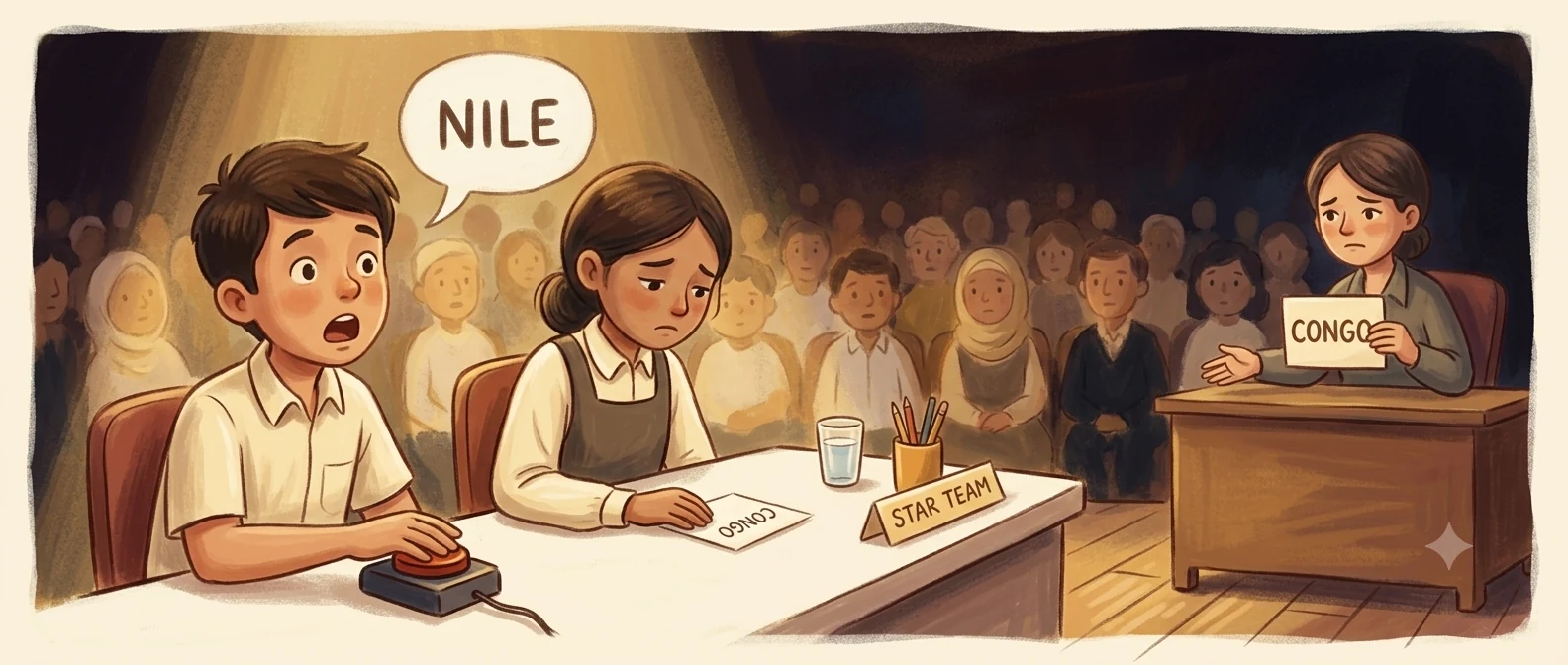
Dev has captained the quiz team to two trophies and knows he's the best on it. Then, in the final, with everything on the line, the new girl whispers an answer — and he overrides it.
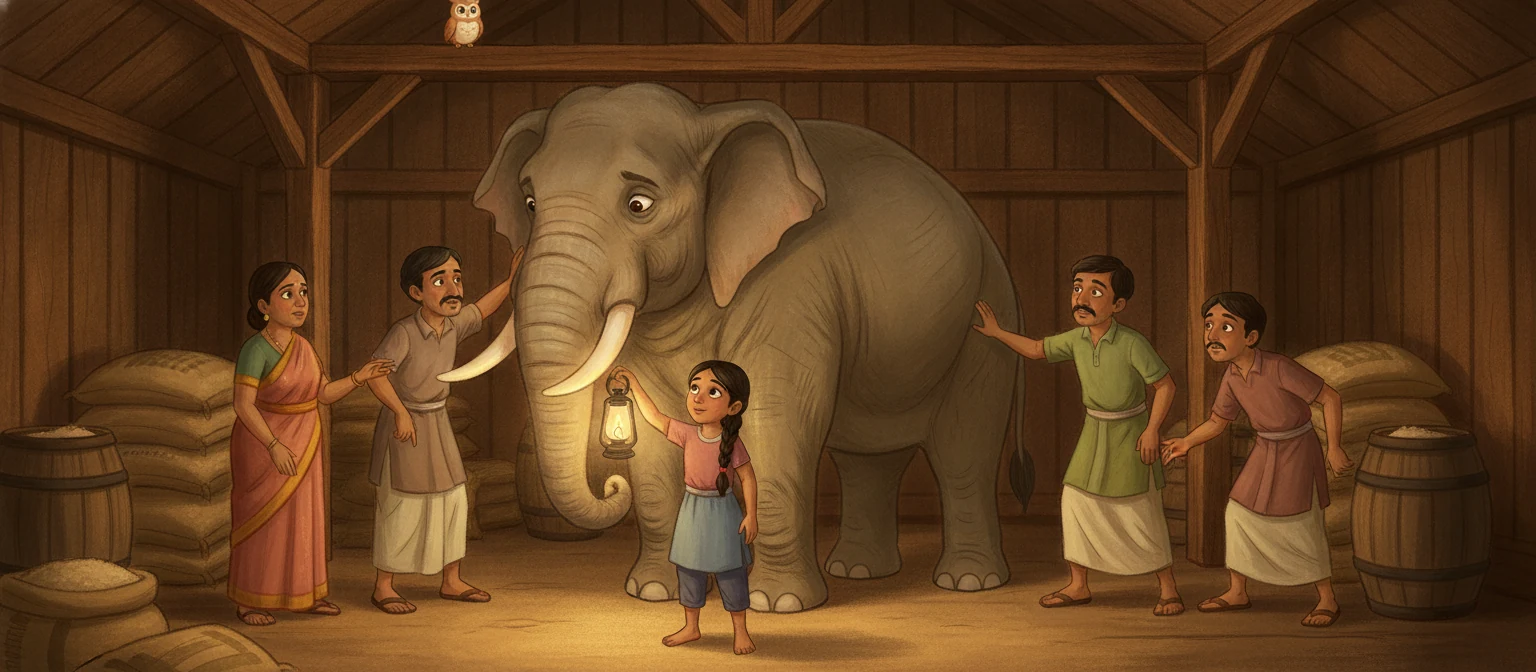
Six villagers feel their way around something enormous in a pitch-dark shed — and each comes out certain of a completely different animal. One of the world's oldest lessons, retold.
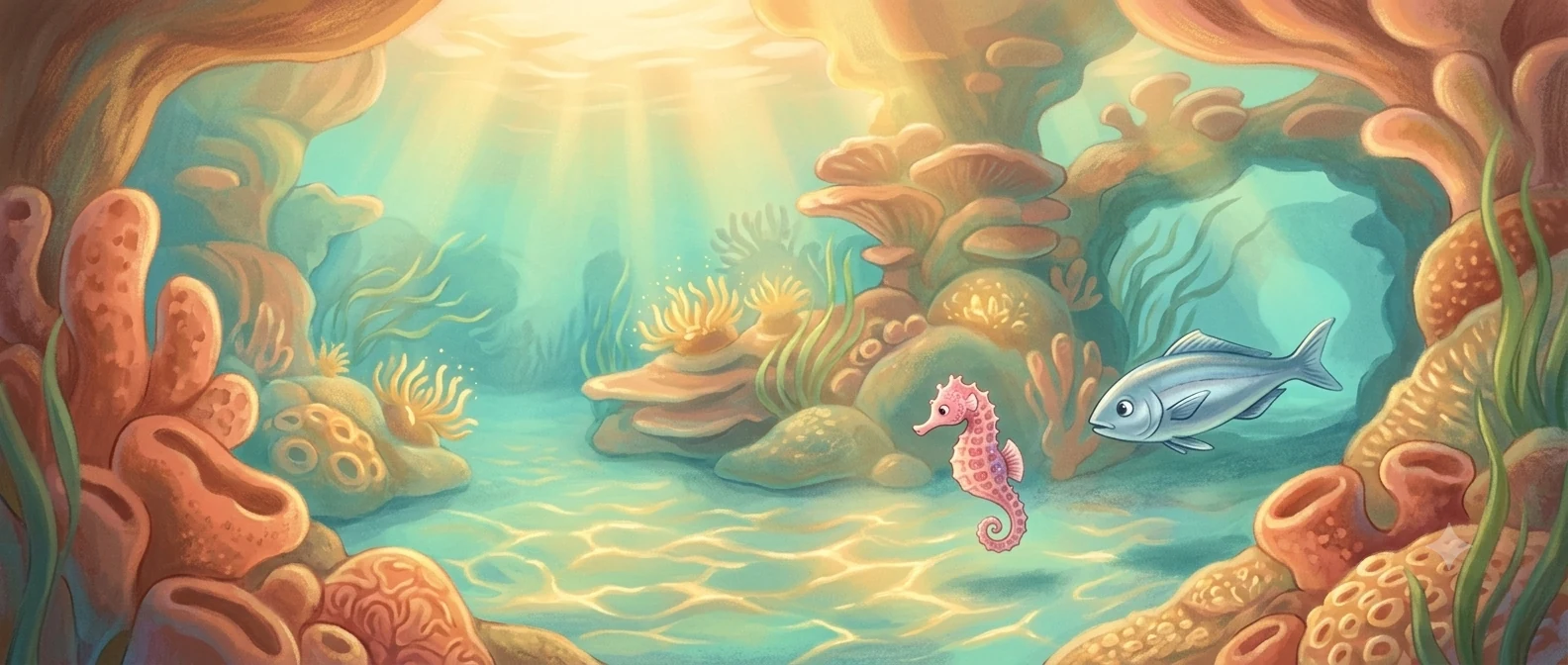
Dart is the fastest fish on the whole reef, and he makes sure everybody knows it. Then comes the day when fast is exactly the wrong thing to be.
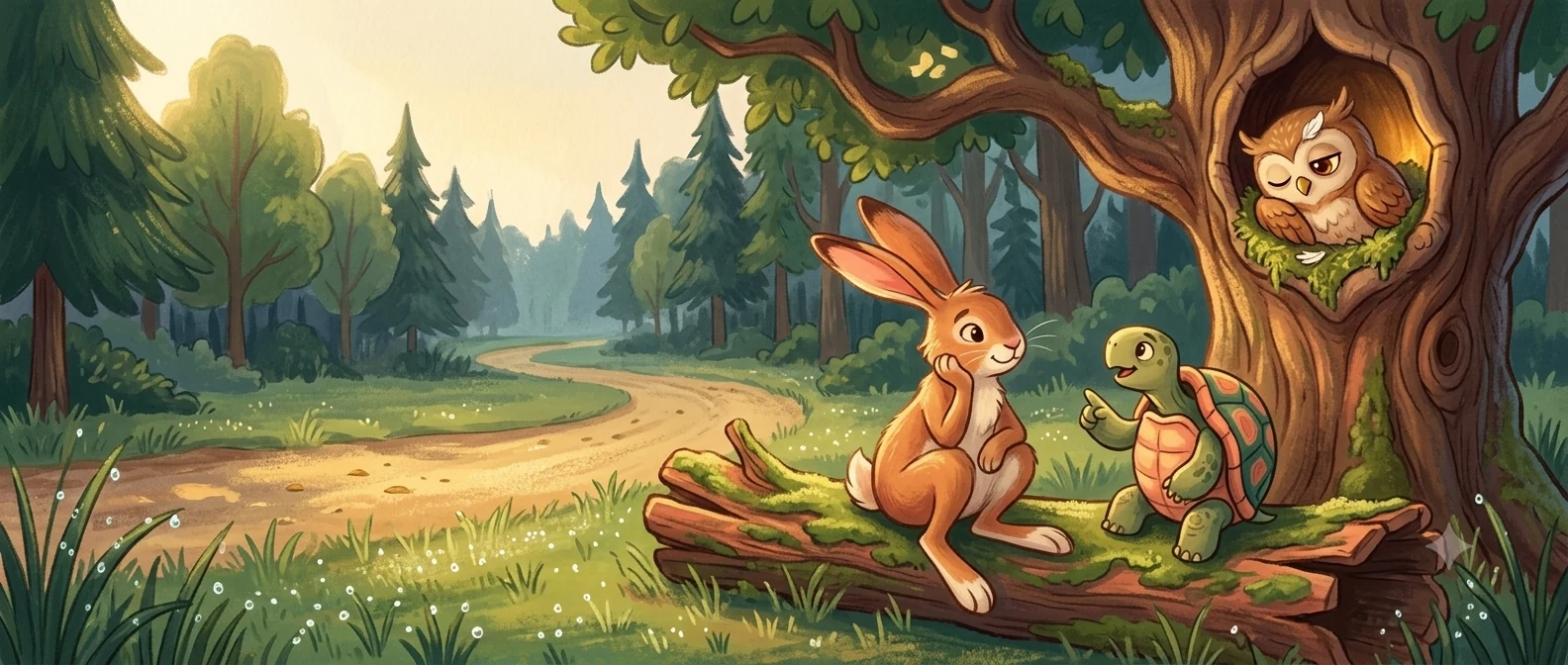
Everyone knows the hare lost the great race. Our retelling is about what happened the morning after — when the fastest animal in the forest had to decide who he was now.
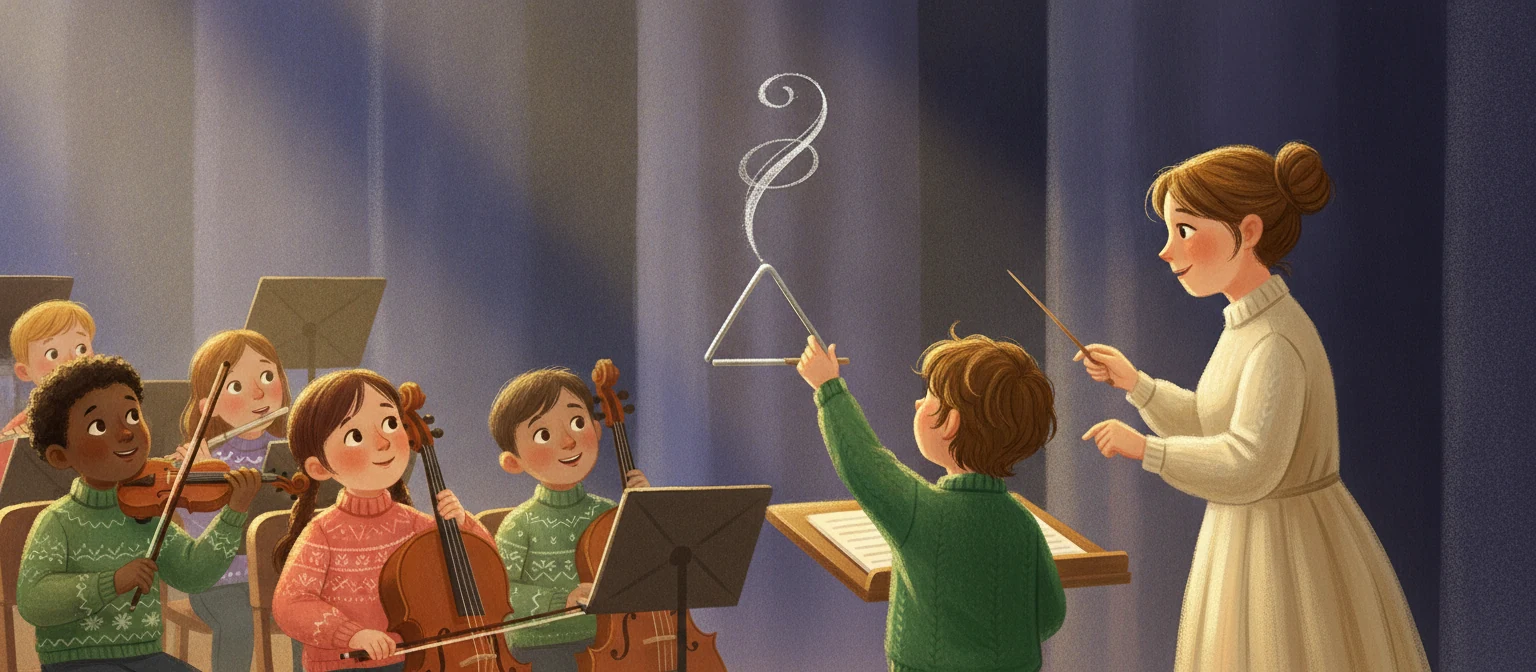
Omar wanted the drums. He got the triangle — one note, in the whole winter concert. One single ding. This is the story of bar forty-seven.
Ayaan's reasons are all completely true. The bus really was late. The pen really did leak. Everybody agrees with him every time — and slowly, quietly, he stops getting picked for things.
Only if humility is taught as shrinking. Taught properly, it's the opposite of fragile: a humble child can lose a game, hear a correction, or meet someone better at maths without feeling destroyed, because their worth was never staked on being best. That's more durable confidence, not less.
Praise the doing more than the being — "you practised that bowling action all week" lands differently from "you're a natural." Stories help from the other side, showing characters whose "I'm the best" moment costs them something and whose willingness to learn earns it back.
Simple and warm, never humiliating: the fastest runner who gets lost because he wouldn't ask the way, the little bird whose small idea saves the big animals. The pattern a child absorbs is "everyone has something to teach me" — which is humility sized perfectly for age four.